Instagram Algorithm Mastery
Instagram Algorithm Overview
Decoding the Feed
It's a common misconception that there's one single Instagram algorithm controlling everything you see. In reality, Instagram uses several different algorithms and processes, each tailored to a specific part of the app. The algorithm that ranks posts in your main Feed works differently from the one that surfaces content in the Explore tab or decides which Reels to show you next.
The goal is always the same: to make your time on the app as engaging as possible. Each algorithm looks at different signals to personalize your experience, whether you're catching up with friends or discovering new creators.
From Chronological to Curated
If you've been on Instagram for a while, you might remember when the feed was simple. Posts appeared in the order they were shared, with the newest content always at the top. This was a purely chronological feed.
In 2016, that all changed. Instagram noticed that users were missing about 70% of the posts in their feed, including updates from close friends and family. To solve this, they switched to a ranked feed powered by an algorithm. The new system was designed to predict which posts you'd care about most and move them to the top of your feed.
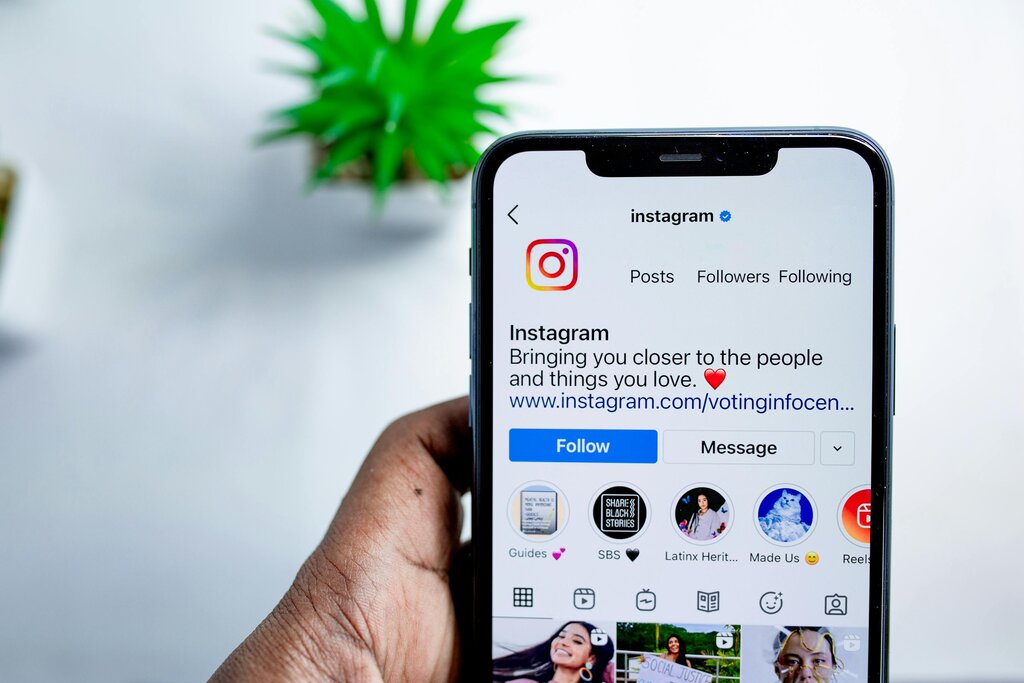
This shift was controversial at first, but the core idea was to prioritize relevance over recency. Instead of just showing you what was new, Instagram started showing you what it thought was important to you. This requires the algorithm to watch for specific signals.
The Key Ranking Signals
So, how does the algorithm decide what to show you? It primarily looks at a few key factors to rank content in your Feed and Stories.
Your Interactions: The algorithm pays close attention to your behavior. It prioritizes content from accounts you interact with frequently through likes, comments, shares, saves, and direct messages. The more you engage with an account, the more likely you are to see their posts.
Content Relevance: Instagram analyzes the content itself. It looks at the topics, hashtags, and even the visual elements in a photo or video to understand what it's about. It then matches this content to your past interests. If you've liked a lot of posts about hiking, the algorithm will show you more hiking content.
Timeliness: While the feed isn't strictly chronological anymore, recency still matters. The algorithm favors newer posts over older ones, ensuring your feed feels fresh and up-to-date. A post from this morning is more likely to appear at the top of your feed than one from last week.
Think of these factors working together. The algorithm is constantly trying to serve you the most relevant content, from the people you care about most, at the right time. Your own activity is the most powerful signal you send it.
Now that you know a bit more about how the algorithm works, let's test your knowledge.