Insolvency Creditors Meetings Explained
First Creditors' Meeting
The First Meeting of Creditors
Once a court issues a final sequestration or winding-up order, the process of administering the insolvent estate begins. The first major step is a crucial gathering: the first meeting of creditors. This isn't an informal get-together; it's a formal, legally mandated event with a specific purpose.
The Master of the High Court is responsible for initiating this meeting. Upon receiving the final court order, the Master must promptly schedule the meeting and announce it by publishing a notice in the Government Gazette. This official notice informs all potential creditors of the date, time, and location of the meeting.
On the receipt of an order of the Court sequestrating an estate finally, the Master shall immediately convene by notice in the Gazette, a first meeting of the creditors of the estate for the proof of their claims against the estate and for the election of a trustee.
Typically, this meeting is scheduled to take place within six to eight weeks of the final liquidation order. This timeframe gives creditors a reasonable period to prepare their claims and arrange to attend.
The Agenda
The first meeting of creditors has two primary objectives that set the stage for the rest of the insolvency process: allowing creditors to formally prove their claims and enabling them to elect a final trustee or liquidator.
Think of this meeting as the administrative kick-off. It's where creditors officially enter the process and choose the person who will manage the estate on their behalf.
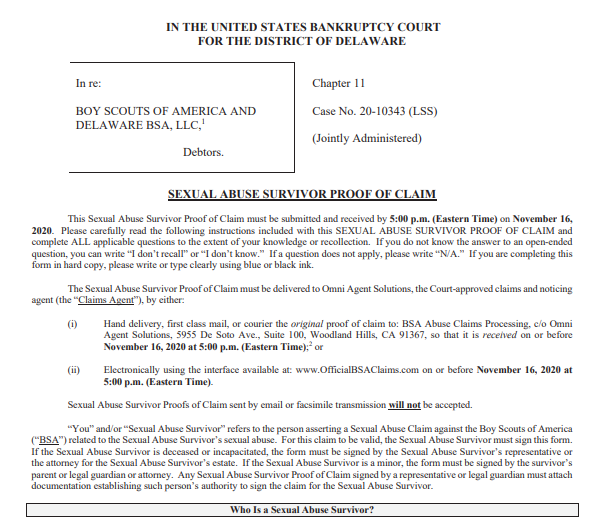
To prove a claim, a creditor must submit documentation to the presiding officer (usually a magistrate or an officer from the Master's office). This typically involves an affidavit detailing the debt, along with supporting documents like invoices or contracts. The presiding officer then examines the submission and decides whether to admit or reject the claim. Admitting the claim formally recognises the creditor's right to a portion of the insolvent estate's assets.
The second key item is the election of the trustee (for an individual's estate) or liquidator (for a company). While the Master appoints a provisional trustee or liquidator to secure the assets initially, the creditors get to vote for the final appointee at this meeting. The voting power of each creditor is generally proportional to the value of their proven claim. The person who receives the majority of votes in both number and value is typically nominated for the final appointment by the Master.
Roles and Responsibilities
Both the insolvent person and the creditors have specific roles to play during this meeting.
The insolvent individual is legally required to attend the first and second meetings of creditors. Their presence is necessary to provide information and answer questions from the trustee and creditors about their financial affairs. Failing to attend without written permission from the presiding officer can have serious legal consequences.
For creditors, this meeting is their primary opportunity to influence the administration of the estate. By proving their claims, they secure their right to vote and receive a dividend. By voting for a trustee, they choose the professional they trust to investigate the insolvent's affairs, recover assets, and manage the distribution process effectively.
Creditors should actively stay informed about the progress of the insolvency proceedings, attend creditors' meetings, and engage with the liquidator or business rescue practitioner.
Active participation is key. Creditors who engage in the process from the beginning are better positioned to protect their interests and ensure the estate is administered fairly and efficiently.