Inside the Apple Cash Economy
Issuer Partnership Model
The Bank Behind the Wallet
When you send or receive money with Apple Cash, the seamless interface feels like pure Apple. But behind the scenes, a different company is running the show: Green Dot Bank. This partnership is a classic example of Banking-as-a-Service (BaaS), where a tech company like Apple provides the user experience, while a licensed bank handles the complex financial plumbing.
Green Dot wears three crucial hats in this arrangement. First, it's the Program Manager, responsible for the overall operation and compliance of the Apple Cash service. Second, it's the Issuer of your Apple Cash account, which is technically a prepaid debit card living in your Wallet app. Finally, Green Dot acts as the FDIC Depository, meaning the funds in your Apple Cash account are held at Green Dot Bank and are insured by the FDIC up to the legal limit.
Apple designs the car and the dashboard, but Green Dot builds and maintains the engine.
Following the Money
The partnership is lucrative for Green Dot, which generates revenue in two primary ways. The first is through interchange fees. Every time you use your Apple Cash balance to pay a merchant, that merchant pays a small percentage of the transaction amount as a fee. This fee is split between the various parties involved, with Green Dot, as the card issuer, taking a cut.
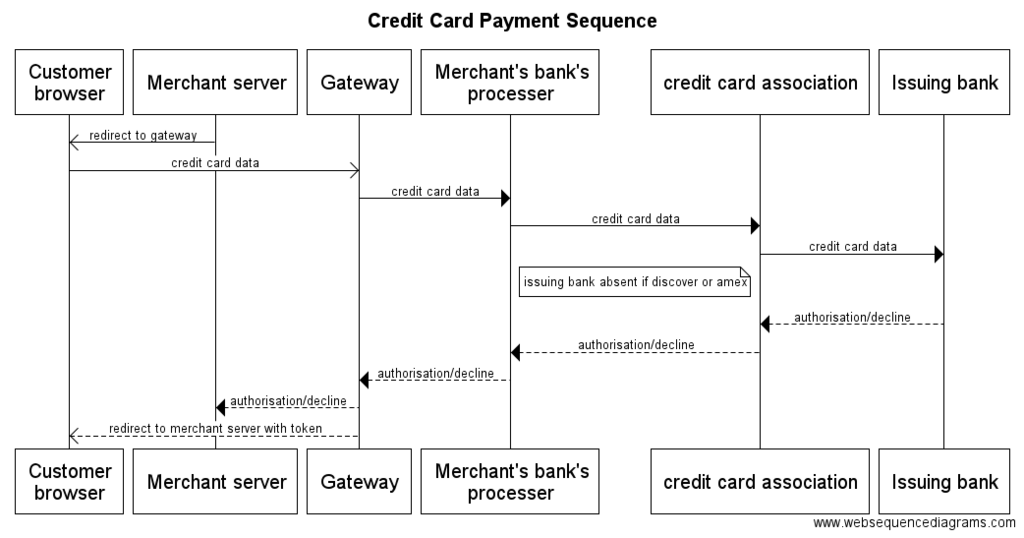
While individual interchange fees are tiny, often just a fraction of a cent, they add up to a significant amount across millions of transactions.
The second, more substantial revenue stream comes from the 'float'. This is the total sum of money held across all Apple Cash accounts at any given moment. Because these are non-interest-bearing accounts for users, Green Dot can take this large pool of deposits and invest it in short-term, low-risk, interest-earning assets, like government bonds. The interest earned on this float is pure profit for the bank.
Float
noun
The pool of money held in non-interest-bearing accounts that a financial institution can invest to generate revenue before the funds are claimed or spent by the account holders.
Seeding the Ecosystem
Before any money can be spent, it has to enter the Apple Cash ecosystem. This happens when a user adds funds from an external debit card. In this initial transaction, Green Dot plays another critical role: the 'merchant of record'.
Think of it like this: when you add $100 to your Apple Cash balance, you are effectively making a $100 'purchase' from Green Dot. Green Dot processes that payment from your primary bank's debit card. By acting as the merchant, Green Dot accepts the financial risk associated with the transaction, such as the potential for fraud or chargebacks. This is a vital function. It shields Apple from direct payment risk and uses Green Dot's expertise in compliance and risk management to ensure the funds entering the system are legitimate.
This BaaS model allows each company to focus on its strengths. Apple perfects the user experience, making digital payments intuitive and secure. Green Dot manages the complex, highly regulated banking infrastructure that makes it all possible, creating a powerful synergy that has reshaped peer-to-peer payments.
What is the business model called where a technology company like Apple provides the user experience for a financial product, while a licensed bank like Green Dot handles the underlying banking operations?
Green Dot Bank generates revenue by investing the total sum of money held across all Apple Cash accounts. What is this pool of funds called?
This partnership structure is a key example of how modern financial technology leverages traditional banking systems to create new products.