Inside Intel CPUs
Intel CPU Basics
The Brain of Your Computer
At the heart of every computer is a central processing unit, or CPU. Think of it as the computer's brain, responsible for executing commands and running programs. Intel has been a key player in the CPU world for decades, and its processor journey reflects the rapid evolution of computing itself.
Early Intel processors, like the ones that powered the first personal computers, were revolutionary for their time but simple by today's standards. They could handle basic arithmetic and data movement. Over the years, these chips have grown exponentially more powerful, packing billions of microscopic transistors into a space smaller than a postage stamp.
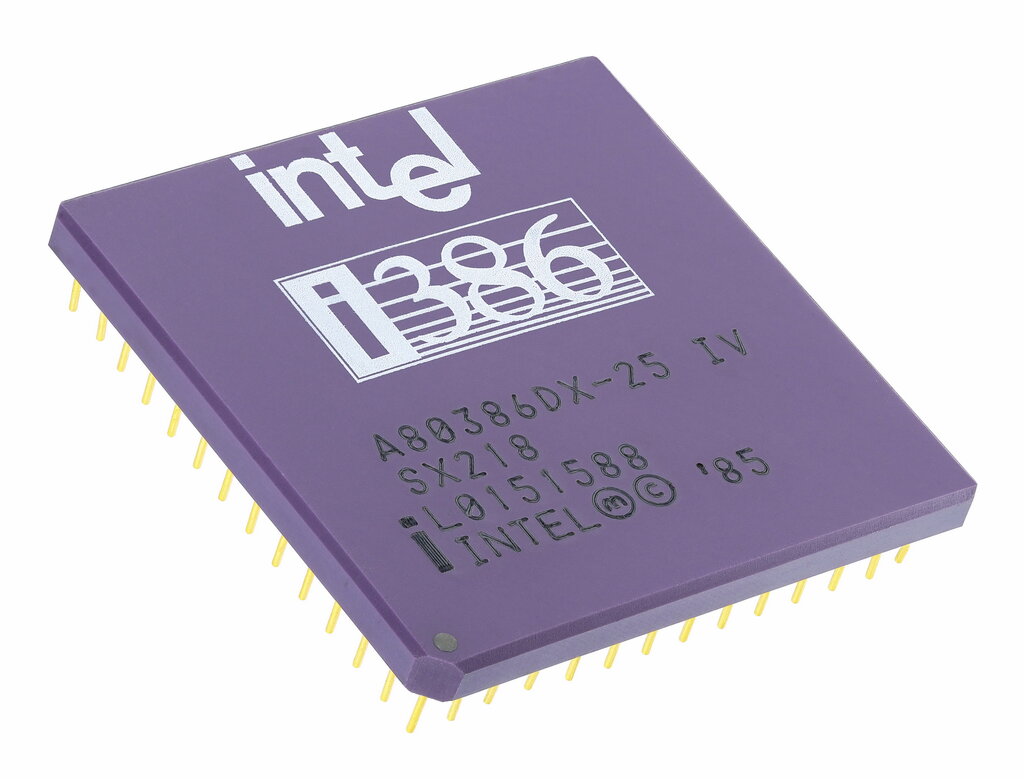
This evolution wasn't just about speed. It was about adding new capabilities and refining the fundamental way these processors operate. A key part of that foundation is the language they all speak, a language that has maintained a surprising level of consistency over the decades.
The Language of the CPU
Every CPU has an instruction set architecture (ISA), which is the vocabulary of commands it understands. For Intel processors, this is the x86 architecture. You can think of the ISA as the list of all possible verbs a CPU can act on, like ADD, MOVE, or JUMP.
The x86 architecture is known as a Complex Instruction Set Computer, or CISC. This means its vocabulary includes some very powerful, multi-step commands. Instead of just having a simple command like "add two numbers," a CISC processor might have a single command that means "get two numbers from memory, add them, and store the result back in memory."
The main advantage of the CISC approach is that a single instruction can accomplish a significant task, which can sometimes simplify programming.
One of the biggest reasons for Intel's success is its commitment to backward compatibility. A program written for an x86 processor from the 1980s can, in many cases, still run on a brand-new Intel Core i9 processor today. This consistency made it easy for software developers to build on previous work. But how does a modern, incredibly complex chip handle these powerful, and sometimes old, instructions?
Translating the Complex
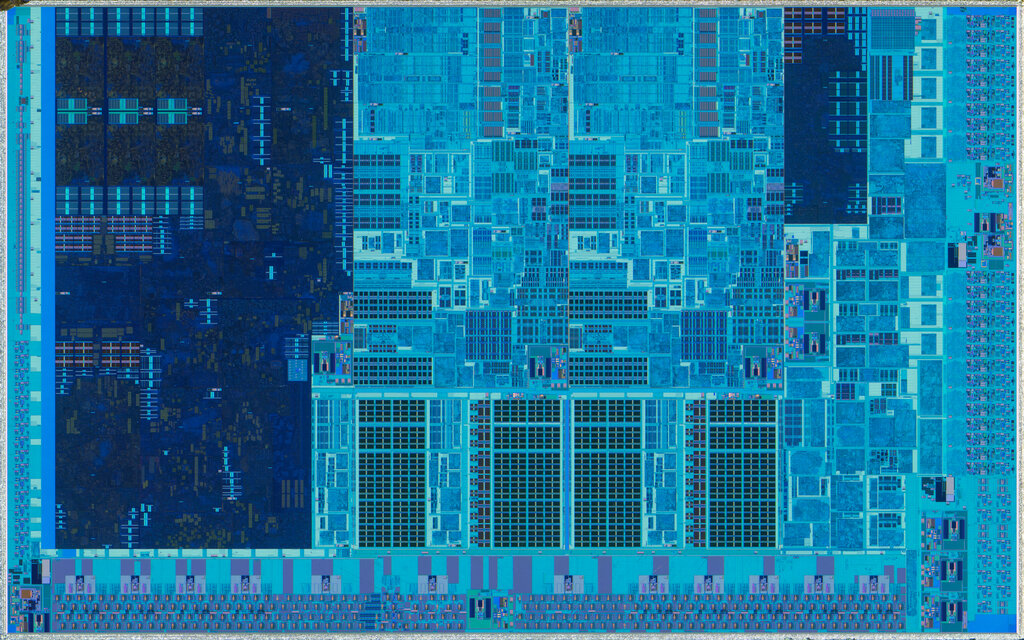
Here's a surprising fact: modern Intel CPUs don't directly execute those complex x86 instructions. The intricate circuitry deep inside the chip is actually designed to run very simple, basic operations called micro-operations, or micro-ops.
This is where microcode comes in. Microcode is a layer of translation built right into the CPU. It acts like an interpreter. When a complex x86 instruction arrives, the microcode breaks it down into a sequence of simpler micro-ops that the processor's core can actually execute.
Think of it this way: The x86 instruction is a chef's order for a 'Caesar Salad'. The microcode is the detailed recipe that breaks it down into steps the kitchen staff (the CPU core) understands: 'wash lettuce', 'toast croutons', 'mix dressing', 'combine ingredients'.
This approach gives Intel the best of both worlds. They can maintain backward compatibility with the powerful x86 instruction set that everyone knows, while building a highly efficient, modern engine underneath. It also allows them to fix bugs or add new instructions by updating the microcode, without having to redesign the physical chip.
What is the primary role of microcode in a modern Intel CPU?
Intel's long-standing commitment to backward compatibility means that a program written for an older x86 processor can often run on a modern one.
This combination of an evolving yet consistent instruction set and the clever use of microcode has been fundamental to the design and success of Intel processors for generations.