Insect Curation Essentials
Introduction to Insect Curation
Why Keep Dead Bugs?
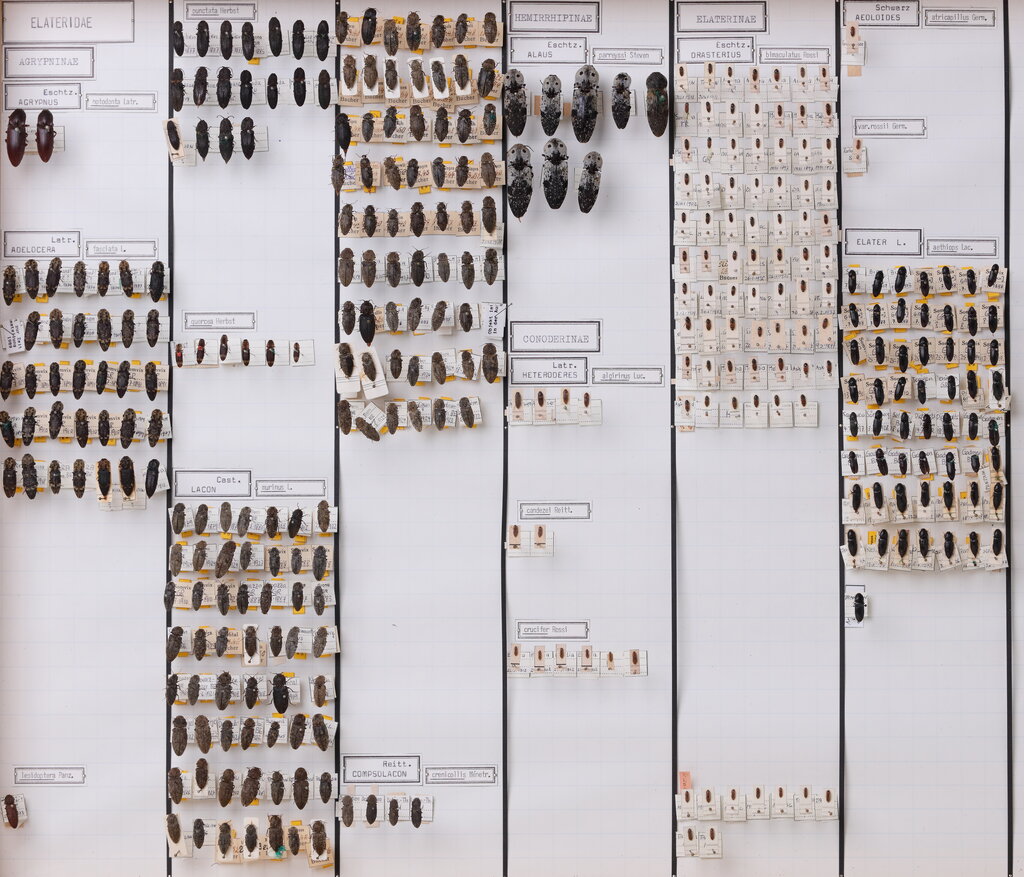
Rows of neatly pinned insects might seem like a strange hobby, but to a scientist, a collection is a vital library of biological information. Each specimen is a snapshot, capturing a specific species from a single place and time. These collections aren't just for display; they're active research tools.
Scientists use these libraries to answer big questions. By comparing specimens from 1920 to today, they can track how climate change affects insect size or range. When a new agricultural pest appears, collections help identify it and trace its origin. They are fundamental to discovering new species, understanding evolutionary relationships, and monitoring the health of our ecosystems. Without them, our knowledge of the most diverse group of animals on Earth would be incredibly limited.
Collecting with Conscience
Collecting insects for science means taking a life, so it comes with ethical responsibilities. The goal is always to advance knowledge, not simply to accumulate specimens. This principle guides how, where, and what you collect.
A responsible collector takes only what is necessary for their study. They never collect more than a few individuals of a given species from a single location to avoid harming the local population. It’s also crucial to minimize damage to the surrounding habitat. This means treading lightly, replacing any logs or rocks you turn over, and leaving the area as you found it.
Ethical collecting prioritizes the health of the ecosystem and the scientific value of the specimen over the simple act of acquisition.
The Collector's Toolkit
Getting started with insect curation doesn't require a high-tech lab. Most of the essential tools are for fieldwork and are designed to capture and temporarily store insects safely.
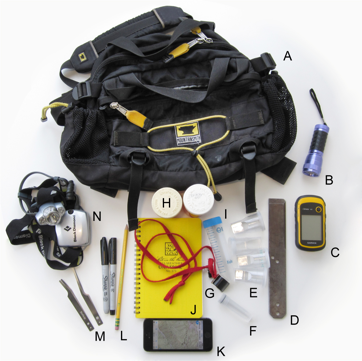
The most iconic tool is the insect net, used for catching flying insects like butterflies and dragonflies. For ground-dwellers, a pair of soft-tipped forceps is essential for picking up delicate specimens without crushing them. Once caught, insects are placed in a killing jar, which contains a chemical agent that dispatches them quickly and humanely.
Other key items include collection vials for smaller insects, a notebook and pencil for recording data, and a GPS unit or smartphone to log precise locations. Everything you collect is useless without data, so noting the date, time, location, and habitat for each specimen is the most critical step.
Rules of the Road
Before you grab your net, it's important to understand the laws and regulations around insect collecting. You can't just collect anything, anywhere. These rules exist to protect endangered species, fragile ecosystems, and private property rights.
Collecting is almost always prohibited in national and state parks, as well as other protected areas, unless you have a specific scientific collecting permit. These permits are typically granted only to researchers affiliated with an academic or scientific institution. For any private land, you must get direct permission from the landowner first.
Furthermore, some insects are protected by federal or state law, making it illegal to collect, possess, or transport them without a special permit. Always check the regulations for your specific location and the species you might encounter. Ignorance of the law is not an excuse, and penalties can be severe.
Always ask for permission and check local regulations. When in doubt, don't collect.
Now that you understand the fundamentals of why and how scientists collect insects, let's review the key concepts.
Why are scientific insect collections considered "vital libraries of biological information"?
What is a primary ethical rule for a scientific collector?
Understanding the purpose, ethics, and rules behind insect curation provides the foundation for building a scientifically valuable collection.