Insect Classification Unveiled
Introduction to Taxonomy
A Library for Life
The natural world is filled with an incredible diversity of life, from microscopic bacteria to giant blue whales. To make sense of it all, biologists use a system called taxonomy. Think of it as a massive, organized library for every living thing on Earth. Instead of books, it organizes organisms.
Taxonomy
noun
The science of defining and naming groups of biological organisms on the basis of shared characteristics.
Taxonomy has three main goals. The first is identification—determining if a newly found organism is a new species or one that's already known. The second is naming, which involves assigning a unique, universal scientific name to each organism. This avoids the confusion of common names, which can vary by region and language. A mountain lion, for example, is also called a cougar, puma, or catamount, but its scientific name, Puma concolor, is the same everywhere.
The final goal is classification. This is the process of grouping organisms into categories based on their shared features and evolutionary history. It’s how we build the library's structure, putting similar organisms together on the same shelves.
The Taxonomic Ranks
Classification isn't just one level of grouping. It's a hierarchy of ranks, moving from very broad categories to highly specific ones. Each level is nested within the one above it, like a set of Russian dolls.
This system helps us see not just what an organism is, but how it relates to everything else. A house cat shares broad traits with a starfish (they're both animals) but much more specific traits with a lion (they're both in the cat family).
The main ranks used in taxonomy, from broadest to most specific, are:
- Kingdom: The highest level. Examples include Animalia (animals), Plantae (plants), and Fungi.
- Phylum: Divides kingdoms into smaller groups. For example, the phylum Chordata includes all animals with a backbone.
- Class: Divides phyla. The class Mammalia includes all mammals.
- Order: Divides classes. The order Carnivora includes meat-eating mammals like dogs, bears, and cats.
- Family: Divides orders. The family Felidae includes all cats, from lions to house cats.
- Genus: Divides families into closely related groups. The genus Felis includes smaller, non-roaring cats.
- Species: The most specific rank. It identifies a single, unique type of organism, like Felis catus, the domestic house cat.
A useful mnemonic to remember the order is: King Philip Came Over For Good Soup.
Why It Matters
Taxonomy is more than just a filing system. It's a fundamental tool in biology that provides a universal language for scientists worldwide. When a researcher in Brazil talks about Panthera onca (the jaguar), a researcher in Japan knows exactly which animal they mean.
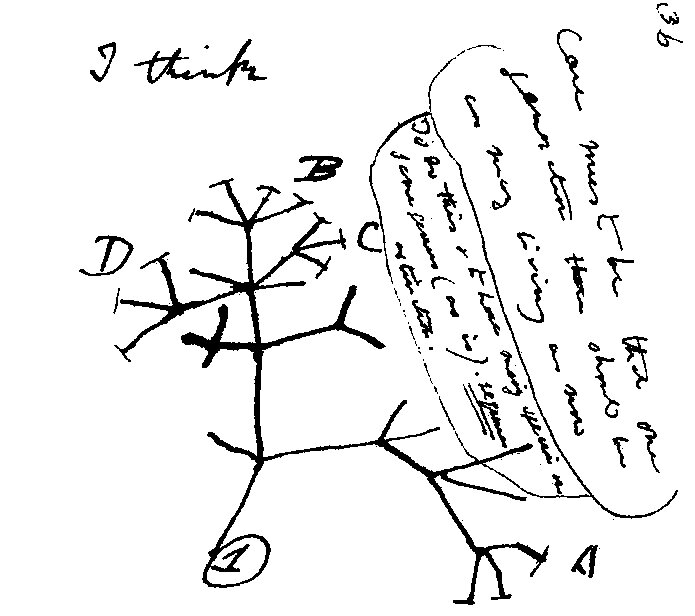
This framework is also crucial for understanding biodiversity. By classifying organisms, we can track the number and variety of species in an ecosystem, helping with conservation efforts. It reveals the evolutionary relationships between different forms of life, showing us a map of the great tree of life. Each classification tells a story about an organism's history and its place in the natural world.
Let's test your understanding of these foundational concepts.
What are the three primary goals of taxonomy?
Which of the following taxonomic ranks represents the most specific and least inclusive group?
Taxonomy provides the essential structure for how we study and comprehend the vast diversity of life on our planet.