Innovative Disease Control Strategies for Ghana
Current GHS Programs
Ghana's Public Health Frontline
The Ghana Health Service (GHS) is the nation's primary agency for protecting and improving public health. Its core mission is to manage disease prevention and control across the country. This involves a wide range of activities, from running national vaccination campaigns to promoting health education in local communities.
GHS programs tackle a broad spectrum of health issues, with a strong focus on the infectious diseases that have historically posed the greatest threat to the population. These efforts are organized through dedicated national programs, each targeting a specific health challenge.
Key Disease Control Efforts
Ghana's strategy against infectious diseases is multi-pronged, with several major programs leading the charge.
The National Malaria Control Programme (NMCP) is a cornerstone of GHS's work. It employs proven strategies to fight malaria, including the mass distribution of insecticide-treated nets (ITNs), indoor residual spraying in high-risk areas, and ensuring access to rapid diagnostic tests and effective treatments. The goal is to reduce the malaria burden, especially among the most vulnerable groups: pregnant women and children under five.
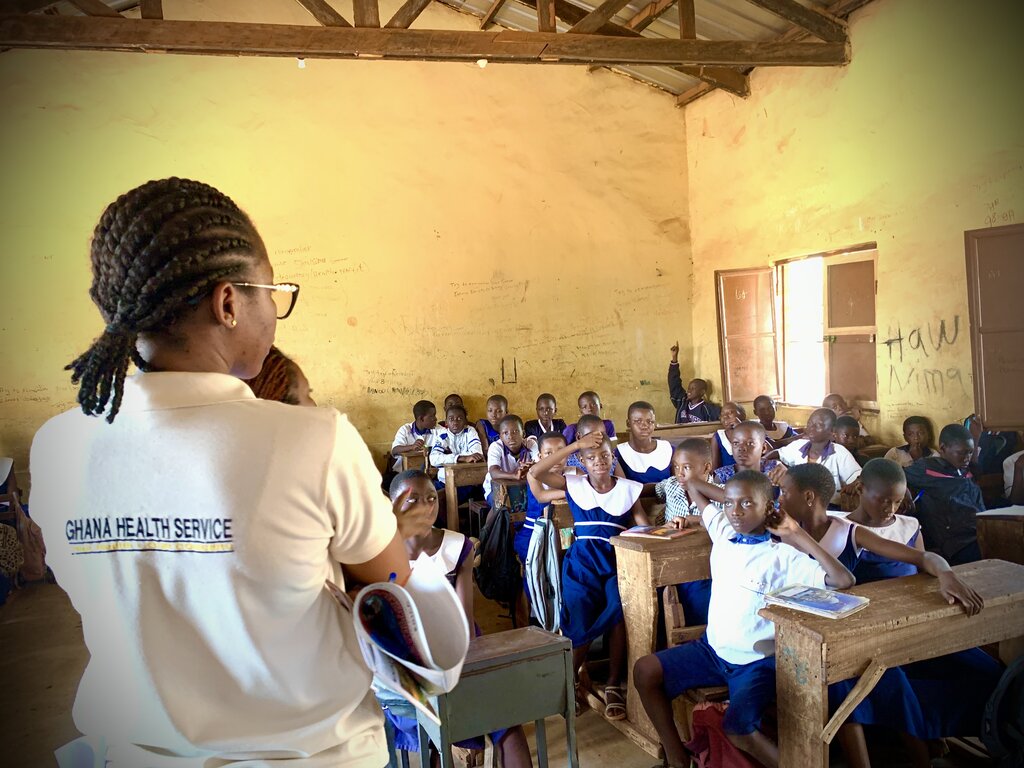
Another critical area is the fight against HIV/AIDS and Tuberculosis (TB), often managed in tandem due to their high rates of co-infection. The National AIDS/STI Control Programme (NACP) focuses on preventing new HIV infections through public awareness campaigns and condom promotion, while also expanding access to testing and life-saving antiretroviral therapy (ART). Similarly, the National TB Control Programme works to identify cases early and ensure patients complete their full course of treatment.
Finally, the Expanded Programme on Immunization (EPI) is vital for child survival. This program provides free vaccinations against diseases like measles, polio, diphtheria, and tetanus through a network of clinics and mobile outreach teams, aiming to achieve high vaccination coverage nationwide.
Victories and Persistent Challenges
These focused programs have achieved significant successes. Concerted efforts against malaria have led to a noticeable drop in child mortality. The expansion of ART has transformed an HIV diagnosis from a death sentence into a manageable chronic condition for many. Ghana has also been certified as polio-free, a monumental achievement for the EPI.
These victories are a testament to the dedication of healthcare workers and the effectiveness of sustained public health strategies.
Despite progress, challenges remain. Consistent funding, maintaining a steady supply chain for medicines and equipment, and ensuring equitable access to care in remote and underserved areas are constant hurdles.
Furthermore, health systems can be strained by unexpected outbreaks and the need to adapt to evolving disease patterns. Healthcare worker shortages and the need for continuous training also impact the ability to deliver services effectively across all regions.
Identifying the Gaps
While the focus on major infectious diseases has been crucial, it has also left other areas with less attention. One of the most significant unaddressed areas is the rising tide of non-communicable diseases (NCDs) like hypertension, diabetes, and certain cancers.
As lifestyles change, these chronic conditions are becoming more prevalent, but the public health infrastructure is still primarily geared towards fighting communicable diseases. There is a growing need for programs focused on NCD prevention, early screening, and long-term management.
Mental health is another area requiring greater focus. Services are limited, and social stigma often prevents people from seeking help. Integrating mental healthcare into the primary healthcare system is a critical next step.
Finally, strengthening surveillance systems for emerging and re-emerging infectious diseases is essential for national health security. The ability to quickly detect and respond to new threats, like a novel virus, protects the progress made in other areas. Understanding these gaps is the first step toward building a more comprehensive and resilient public health system for Ghana.