Innovation and Change Forum Models
Open Innovation Platforms
From Silos to Ecosystems
For decades, the dominant model for innovation was straightforward: a company's smartest people worked inside a locked-down R&D lab, creating products in secret. This closed approach treated knowledge as a resource to be hoarded. But today, that model is being replaced by a more dynamic and collaborative one, a shift often called Platformization The core idea is that innovation is no longer a bounded, internal activity. It's a distributed process that happens across digital venues, connecting an organization with a vast external ecosystem of talent and ideas.
The shift from product to platform is more than a digital transformation it’s a strategic evolution.
Open Innovation (OI) platforms are the engines of this change. They act as digital and organizational intermediaries, creating channels for knowledge to flow both into and out of a company. This two-way street is crucial.
-
Inbound Open Innovation: This involves bringing external knowledge in. A company might use an OI platform to scout for new technologies, run a design competition, or solicit solutions to a specific engineering problem from a global community of experts.
-
Outbound Open Innovation: This involves pushing internal knowledge out. A company might license an underutilized patent to another firm, spin out a technology into a new startup, or share a dataset with university researchers. The goal is to find new avenues to monetize or create impact from ideas that don't fit the company's core strategy.
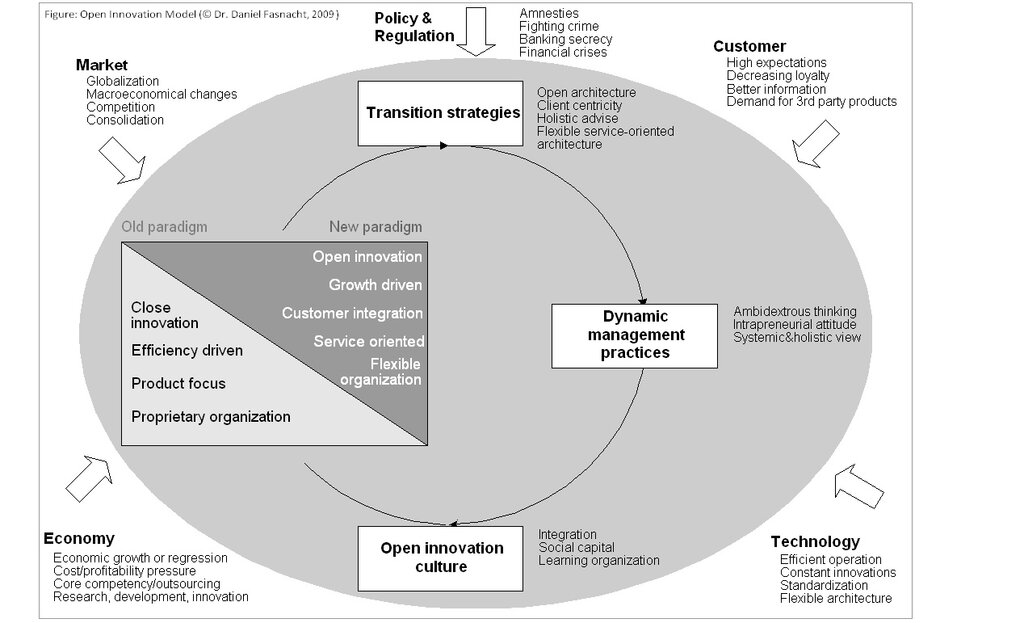
This process of mutual exchange is called value co-creation. Instead of one company building a product and selling it, the platform enables multiple parties to contribute, creating a final offering that is often more robust and innovative than any single entity could have produced alone. Think of a smartphone's app store. The phone's creator built the core device, but the vast majority of its value is co-created by thousands of independent developers.
The Keys to the Kingdom
For an OI platform to work, it must give external contributors a way to connect and build without compromising the core system's integrity. This is where boundary resources come in. They are the tools and rules that define how outsiders can interact with the platform. The most common types are APIs, SDKs, and legal frameworks.
An (Application Programming Interface) is a set of rules and protocols that allows different software applications to communicate with each other. It's like a universal translator and messenger, enabling a third-party app to request data or trigger a function from the platform without needing to know how the platform's internal code works. For example, a weather app on your phone uses an API to fetch forecast data from a meteorological service.
An SDK (Software Development Kit) is a more comprehensive package. It provides developers with a complete set of tools to build applications for a specific platform. An SDK might include code libraries, debuggers, documentation, and code samples. While an API is a gateway for communication, an SDK is a full-fledged workshop for creation.
Finally, legal wrappers are the formal agreements, licenses, and terms of service that govern the relationship. They define intellectual property rights, data usage policies, and revenue-sharing models. These frameworks provide the trust and legal clarity necessary for companies and individuals to risk their time and resources contributing to the platform.
Solving Wicked Problems Together
The power of OI platforms extends beyond commercial products. They are increasingly used to tackle complex societal challenges known as —issues like climate change, public health crises, or systemic poverty. These problems are difficult or impossible to solve with a top-down, single-organization approach because they are deeply intertwined with other issues and involve numerous stakeholders with conflicting interests.
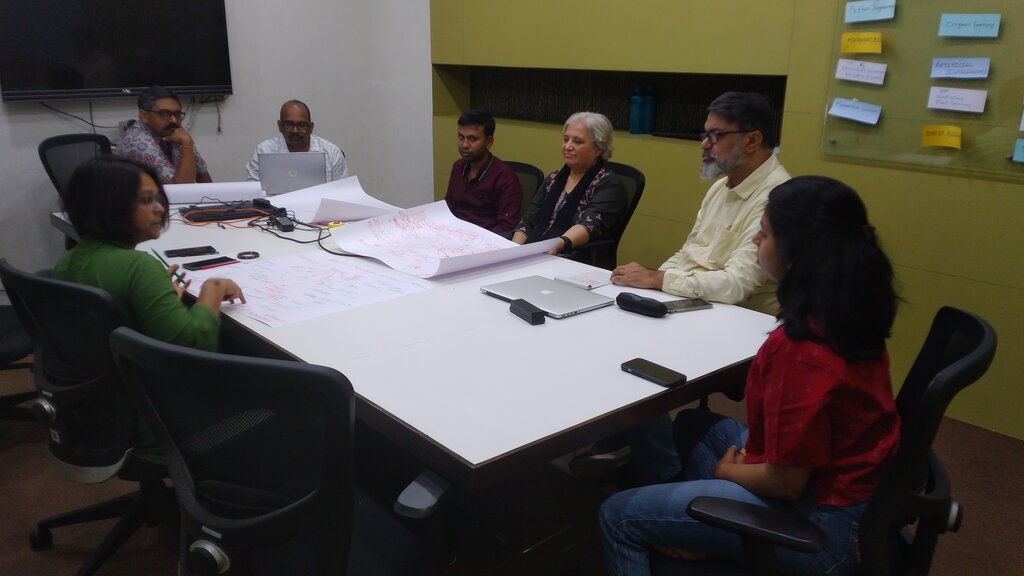
Platforms like the Systems Transformation Hub act as intermediaries in these complex ecosystems. They bring together diverse stakeholders—such as NGOs, government agencies, private companies, and academic institutions—that would rarely collaborate otherwise. By providing a shared digital space, these platforms facilitate collaborative roadmapping, allowing the group to collectively define the problem, identify leverage points, and coordinate their actions. They also enable resource sharing, pooling funds, data, and expertise to achieve a greater impact than any single actor could alone. This shifts the logic from isolated projects to a coordinated, ecosystem-wide strategy.
The transition from closed R&D to open innovation platforms represents a fundamental change in how we think about creating value. It's a move away from hoarding knowledge in isolated silos and toward building interconnected ecosystems where collaboration drives progress.
What is the core idea behind the shift from closed innovation to "Platformization"?
A video game company releases a set of tools including code libraries, debuggers, and tutorials to help independent creators make and sell custom levels for their game. This package of tools is best described as a(n):