Information System Integration
Introduction to System Integration
Putting the Pieces Together
Most organizations don't run on a single, all-powerful software program. Instead, they use a collection of specialized systems. The sales team uses one tool to track customers, the finance department uses another for accounting, and the warehouse uses a third for inventory. Each system is good at its job, but they often don't talk to each other.
This is where system integration comes in. It's the process of linking different IT systems, services, and software so they can work together seamlessly. The goal is to get these separate parts to function as a single, coordinated whole, sharing data and automating tasks.
Think of it like an orchestra. Each musician can play their instrument beautifully on their own, but to create a symphony, they need to be integrated by a conductor, following the same sheet music. System integration is the conductor for an organization's technology.
The Goals of Integration
Why bother connecting all these systems? The primary objective is to make the entire organization run more smoothly and intelligently. By breaking down information silos, businesses can achieve several key goals.
First is streamlining operations. When systems are integrated, data entered in one place—like a new sales order—can automatically appear everywhere else it's needed, from the warehouse's shipping queue to the accountant's ledger. This eliminates the need for manual data entry, which saves time and dramatically reduces human error.
Second is creating a single source of truth. Without integration, you might have different versions of the same information in different systems. Which customer address is correct? How much inventory do we really have? Integration ensures that everyone is working from the same up-to-date data, leading to better consistency and less confusion.
Ultimately, this leads to better decision-making. When leaders have a complete and accurate view of what's happening across the business in real-time, they can spot trends, identify problems, and seize opportunities much more effectively.
Benefits and Business Agility
The key components of any integration project are the individual systems, the data that needs to flow between them, and the business processes they support. By connecting these components, organizations unlock significant benefits.
One of the biggest is efficiency. With automated workflows, employees are freed from repetitive data-juggling tasks and can focus on more valuable work. Processes that used to take days of manual reconciliation can be completed in minutes.
Another major benefit is improved agility. In today's fast-moving market, businesses need to be able to adapt quickly. An integrated system is more flexible than a patchwork of disconnected ones. Adding a new online store, for example, is much easier when you can simply plug it into your existing inventory and sales systems, rather than building complex, manual workarounds.
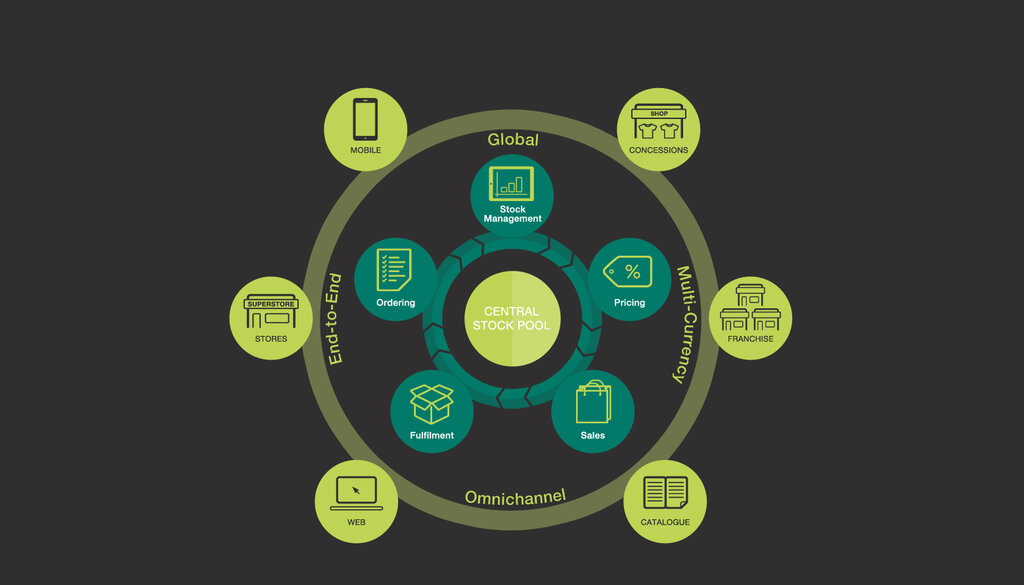
By uniting disparate systems, integration helps create a more cohesive, efficient, and responsive organization that is better equipped to achieve its goals.