Information Risk Management Essentials
Introduction to Information Risk Management
What Is Information Risk Management?
You wouldn't leave your house without locking the door. You know there's a chance of a break-in, so you take a simple step to lower that risk. Information risk management is the same idea, but for an organization's data and computer systems.
It’s the formal process of figuring out what could go wrong with your information assets and then deciding what to do about it. This isn't just about preventing hackers. It covers everything from employee error and hardware failures to natural disasters.
risk
noun
The potential for an unwanted outcome, resulting from a specific event or action.
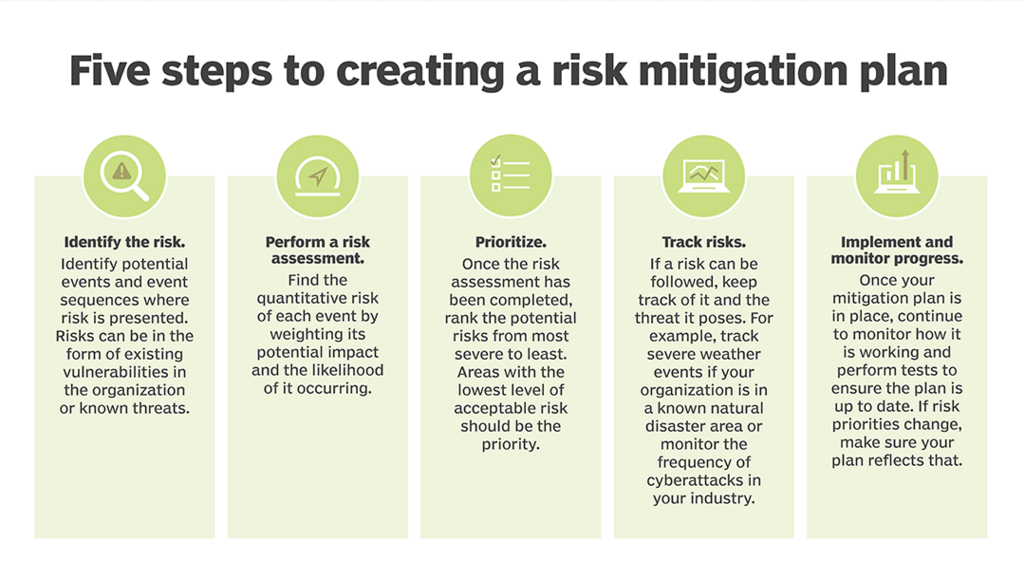
The goal isn't to eliminate all risk. That's impossible. Instead, the aim is to understand the risks and reduce them to an acceptable level. It’s a continuous cycle of identifying, assessing, and responding to threats.
Think of it as a constant conversation a company has with itself about what could go wrong and how to be prepared.
Why It Matters
So, why do organizations invest time and money into this? The objectives of risk management boil down to a few key goals.
First, it's about protecting valuable assets. An organization's data—customer lists, financial records, intellectual property—is often one of its most critical assets. A data breach can be devastating, leading to financial loss and a damaged reputation.
Second, it ensures the business can keep running. This is called business continuity. What happens if a server crashes or a key software system fails? A good risk management plan has backups and procedures in place so that business isn't completely halted.
Finally, it's about compliance. Many industries are governed by laws and regulations about how data must be handled, like healthcare's HIPAA rules or finance's data protection standards. Failing to comply can result in hefty fines and legal trouble. Information risk management helps an organization stay on the right side of the law.
Risk management is the systematic process of identifying, assessing, and controlling threats and deviations from the expected, which can impact an organization’s ability to reach their objectives.
A Strategic Piece of the Puzzle
Effective risk management isn't just an IT department checklist. It’s a core part of an organization's overall strategy. When leadership understands the potential risks, they can make smarter, more informed decisions. It influences everything from the budget to new product launches.
For example, should the company move its data to a new cloud provider? A risk management perspective would weigh the potential cost savings against the security risks of the new provider. Should they launch a new app that collects user data? They need to understand the privacy risks involved.
This process helps an organization define its "risk appetite," or how much risk it's willing to take on to achieve its goals. A startup might have a huge appetite for risk to grow quickly, while a hospital will have a very low one to protect patient safety. There's no right answer, but risk management makes it a conscious choice.
The Power of Being Proactive
Imagine two car owners. One takes their car for regular oil changes and check-ups. The other waits until they hear a strange noise, or worse, the car breaks down on the highway. The first owner is being proactive; the second is reactive.
Information risk management is about being proactive. Instead of waiting for a data breach to happen and then scrambling to clean up the mess, a proactive organization anticipates potential problems and puts defenses in place ahead of time. This approach has huge benefits.
It saves money in the long run. The cost of preventing a problem is almost always less than the cost of fixing it. It also protects the organization's reputation. A company known for being careless with data will lose customers. A proactive approach builds trust with customers, partners, and regulators. It creates a more stable and resilient organization that's prepared for the unexpected.
Now, let's test your understanding of these core concepts.
What is the primary goal of information risk management?
A hospital implements a robust data backup and recovery system. Which core objective of information risk management does this action most directly support?
By understanding and applying these fundamentals, organizations can better protect their information, ensure they can continue operating, and make smarter strategic decisions.