Infodynamics of Droplet Sprays
Complexity Theory
Beyond Simple Rules
Many systems in the world are complicated. A jet engine is complicated. It has thousands of parts, all precisely designed and fitted together. But if you have the blueprint, you can understand it completely. Its behavior is predictable.
A complex system is different. It's made of many individual parts, often following simple rules, that interact with each other. From these local interactions, a global pattern emerges that is surprisingly intricate and often unpredictable. Think of a flock of birds. There's no leader bird choreographing the group's every move. Instead, each bird follows simple rules, like matching the speed and direction of its neighbors and avoiding collisions. The result is the beautiful, coordinated dance of the flock, a pattern that wasn't programmed into any single bird.
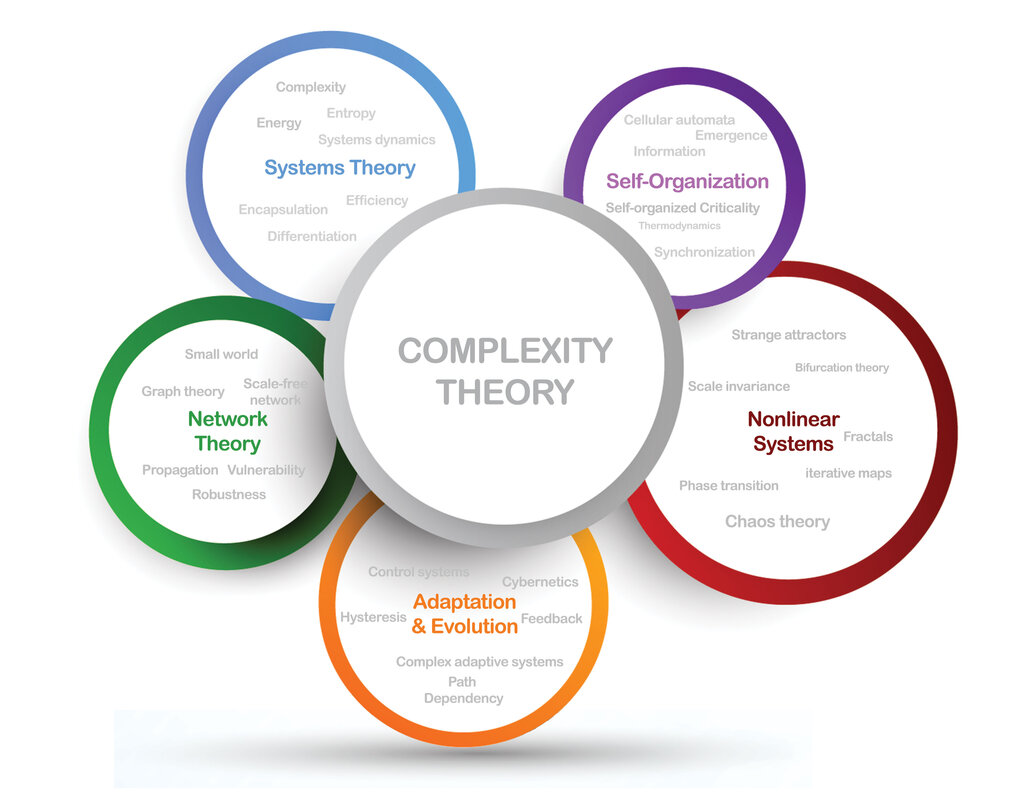
Complexity theory is the study of these systems. It looks at how collections of simple, interconnected components give rise to complex, large-scale behaviors. Unlike the jet engine, you can't understand the flock just by studying one bird in isolation. You have to study the interactions and the system as a whole.
Complex System
noun
A system composed of many individual components whose collective behavior emerges from local interactions, often in unpredictable ways.
Order from Chaos
A key idea in complexity is self-organization. This is the process where a system's internal structure or patterns appear spontaneously without any external control. It's order for free.
Consider a traffic jam. There is no central authority telling cars to slow down and bunch up. A single driver tapping their brakes can cause a ripple effect that slows down hundreds of cars behind them, creating a jam that moves backward even as the cars themselves move forward. The jam is a self-organized structure that emerged from the simple interactions between drivers trying to maintain a safe distance.
In a complex system, the whole is truly greater than the sum of its parts. The global pattern that appears cannot be found by simply adding up the behaviors of the individual agents.
This leads to the concept of emergence. An emergent property is a novel feature that appears at a collective level, which the individual components do not have. Consciousness is a great example. It emerges from the interactions of billions of neurons in the brain, yet no single neuron is conscious.
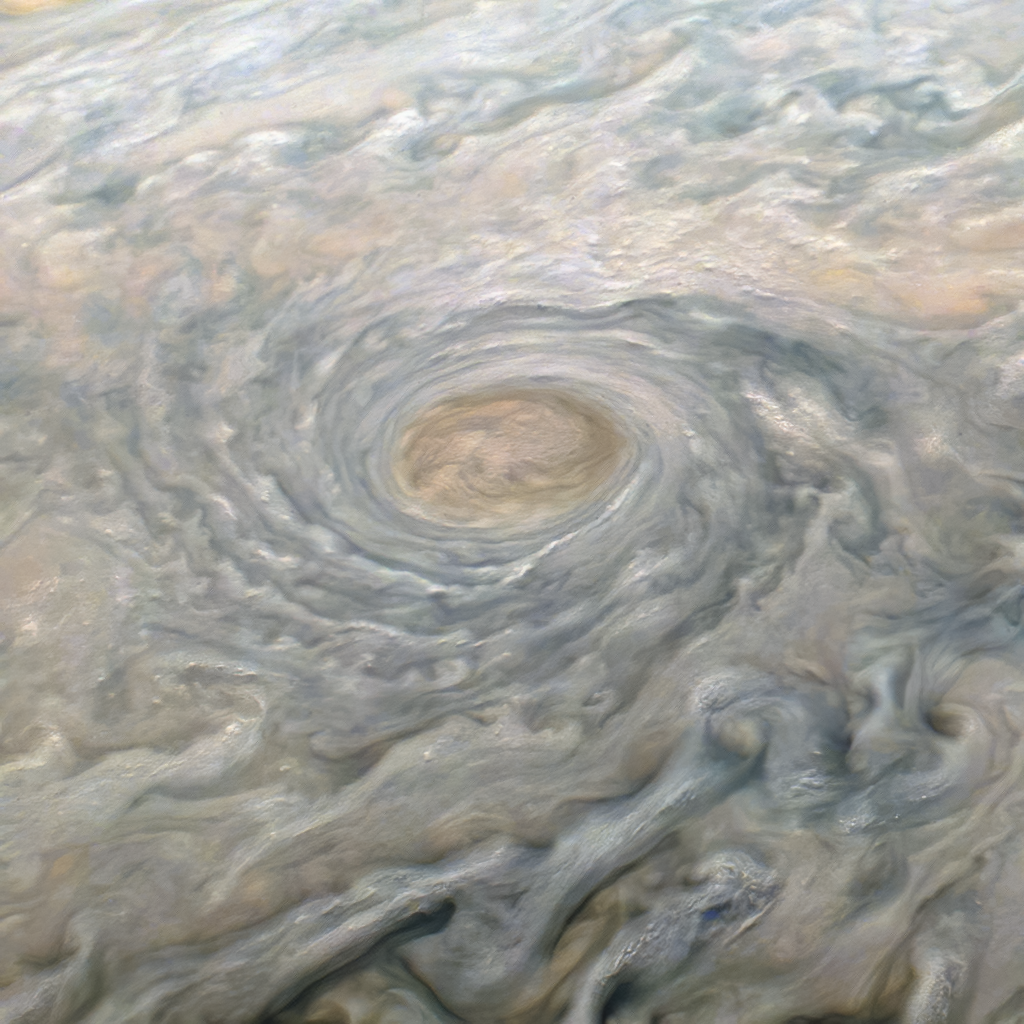
Similarly, the intricate swirls and bands of Jupiter's atmosphere are emergent properties. They arise from the planet's rapid rotation and the movement of gases at different temperatures and pressures. No single gas molecule dictates the storm's formation; the pattern emerges from their collective, chaotic dance.
The Edge of Chaos
Complex systems often exist in a delicate balance between stability and chaos. A system that is too stable and orderly is static. It can't adapt or change. A system that is too chaotic is just random noise; no lasting patterns can form.
The most interesting behaviors happen in the region between these two extremes, often called the "edge of chaos." Here, the system has enough stability to maintain its structure but enough instability to allow for creativity, learning, and evolution.
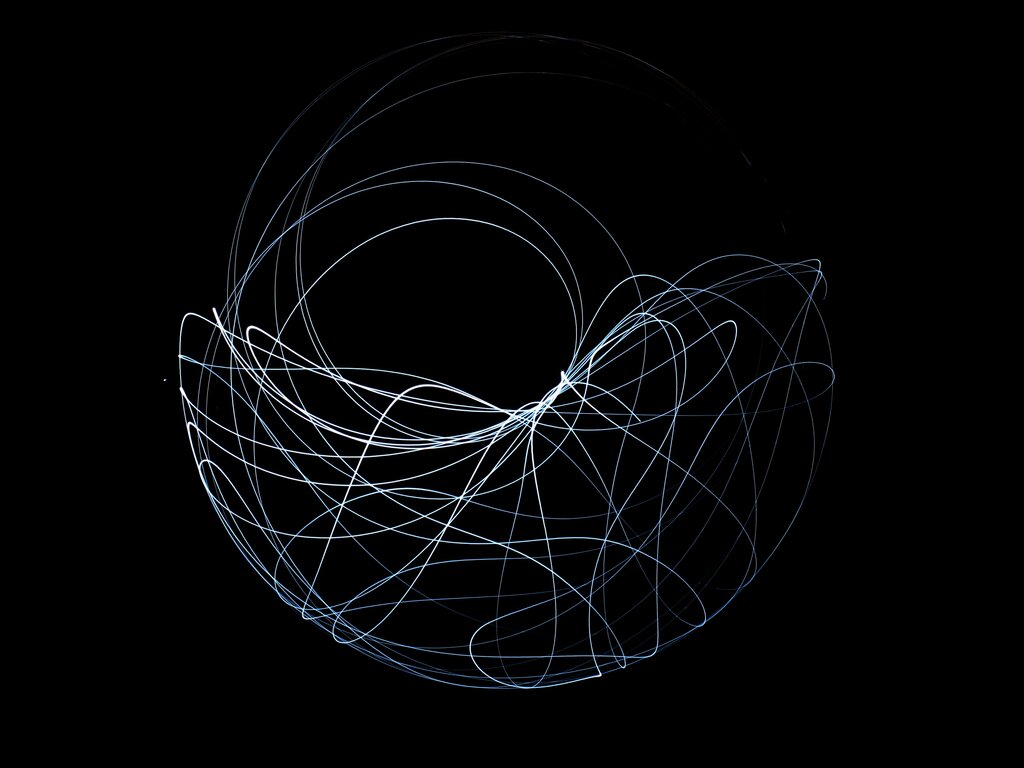
This is where life itself operates. An ecosystem, for instance, is stable enough to persist for thousands of years, but chaotic enough that a small change, like the introduction of a new species or a change in climate, can lead to dramatic, unpredictable shifts. This blend of order and surprise allows the system to adapt and evolve over time.
From the way cities grow to the fluctuations of the stock market, the principles of complexity theory provide a framework for understanding how intricate, adaptive patterns emerge from simple interactions all around us.
Ready to check your understanding?
According to the principles of complexity theory, which of the following best describes a key difference between a complicated system (like a jet engine) and a complex system (like a flock of birds)?
A property that appears at a collective level, which the individual components of the system do not possess, is known as a(n) ____ property.