Influencing Without Authority
Understanding Influence
What is Influence?
Authority is a title. It's the power someone has because of their position in a hierarchy. A manager can tell their team what to do, and the team is expected to comply. This is authority at work. It's formal, defined, and comes with the job.
Influence is different. It's the ability to guide someone's actions or opinions without relying on a formal position. It’s earned, not assigned. Think of a respected colleague whose advice you always seek, even though they aren't your boss. They have influence.
Authority makes people act. Influence makes people want to act.
While authority is tied to a role, influence is tied to the person. You can have authority without influence—a boss no one listens to—or influence without authority—a team member everyone looks to for guidance. Effective leaders have both, but they understand that true leadership relies far more on influence than on command.
Influence is the ability of a person or leader to affect, to shape, or to transform the opinions (convincing) and the behaviors or actions (persuading) of other people without necessarily having a formal authority over them.
The Psychology of Influence
Influence isn't magic; it's rooted in basic human psychology. At its core are two key elements: trust and credibility.
Trust is the belief in someone's integrity and character. We let people we trust influence us because we believe they have our best interests at heart. Trust is built through consistency, reliability, and honesty over time.
Credibility is the belief in someone's knowledge and expertise. We listen to credible people because we believe they know what they're talking about. You build credibility by demonstrating competence and having a track record of good judgment.
Without this foundation, any attempt to influence others will likely fail or be seen as manipulation.
Emotional intelligence (EI) is the engine that drives influence. It's the ability to understand and manage your own emotions, and to recognize and influence the emotions of others. Leaders with high EI are self-aware, empathetic, and socially skilled. They can read a room, understand different perspectives, and connect with people on a genuine level. This emotional connection makes others more receptive to their ideas.
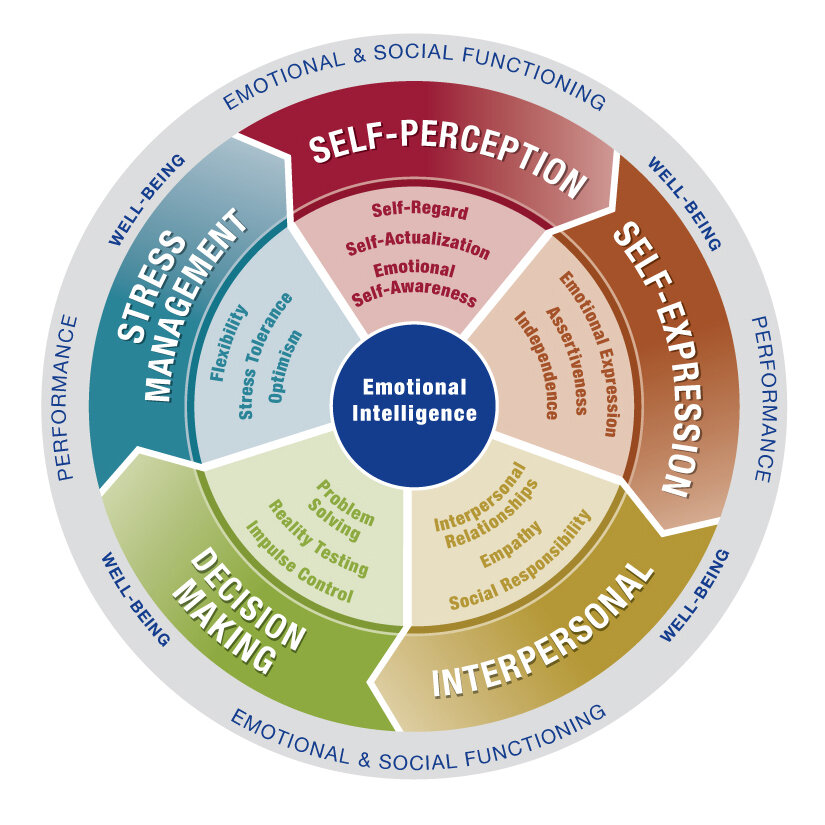
By understanding the motivations, concerns, and feelings of their team, emotionally intelligent leaders can frame their arguments and proposals in a way that resonates. It's not about changing the facts, but about presenting them in the most compelling and empathetic way possible.
Influence in Action
The way influence works depends heavily on the structure of an organization. In a traditional top-down hierarchy, authority is the primary tool for getting things done. Orders flow downwards, from managers to their direct reports. While this can be efficient for simple tasks, it can stifle creativity and engagement. Even in these structures, the most effective leaders rely on influence to inspire their teams to go beyond the bare minimum.
In contrast, flat or matrix organizations have fewer layers of management. Formal authority is less concentrated, and employees are expected to collaborate across teams. In this environment, influence is essential. You can't just tell someone from another department what to do; you have to persuade them. Success depends on your ability to build relationships and make a compelling case for your ideas.
This shift towards flatter structures highlights the rise of shared and collaborative leadership. Leadership is no longer seen as the responsibility of a single person at the top. Instead, it's a shared process where individuals at all levels step up to lead initiatives, solve problems, and influence their peers. This is the essence of influencing without formal authority, a critical skill in the modern workplace.
Now that we've explored what influence is and why it matters, let's test your understanding.
Which statement best describes the primary difference between authority and influence?
According to the text, what are the two key elements that form the foundation of influence?