Inflation Metrics for Household Budgeting
Understanding Inflation
What Is Inflation?
Inflation is the gradual increase in the prices of goods and services across an economy. As prices rise, the purchasing power of money falls. This means that each dollar you have buys a smaller percentage of a good or service.
Think about a candy bar. Maybe your grandparents remember paying a nickel for one. Years later, your parents might have paid a quarter. Today, that same candy bar could cost over a dollar. The candy bar hasn't changed, but the value of the money used to buy it has.
Purchasing Power
noun
The value of a currency expressed in terms of the amount of goods or services that one unit of money can buy.
This erosion of purchasing power is the key effect of inflation. It's not just about one or two items getting more expensive; it's a broad increase that affects almost everything you buy, from groceries and gasoline to housing and healthcare.
Why Prices Rise
Inflation isn't random. It's typically driven by one of two main forces: an increase in demand or a decrease in supply.
Demand-Pull Inflation This happens when demand for goods and services outpaces the economy's ability to produce them. It's often described as "too much money chasing too few goods." When everyone wants to buy something and there isn't enough to go around, sellers can charge more. This can happen when an economy is strong, unemployment is low, and people feel confident about spending money.
Cost-Push Inflation This type of inflation occurs when the costs to produce goods and services rise. If it becomes more expensive for a company to make its product, it will often pass those extra costs onto the consumer in the form of higher prices. Common causes include rising costs for raw materials (like oil or lumber), supply chain disruptions, or increased labor costs.
Inflation's Ripple Effects
Inflation affects everyone, from large governments to individual families. For the broader economy, a small amount of inflation (often around 2%) is generally seen as healthy. It signals that the economy is growing and can encourage people to spend or invest their money rather than hoard it, since it will be worth less in the future.
However, high inflation is dangerous. It creates uncertainty, making it hard for businesses to set prices and plan for the future. It can also lead to a vicious cycle: if people expect prices to keep rising, they'll demand higher wages, which in turn can push production costs up even further, fueling more inflation.
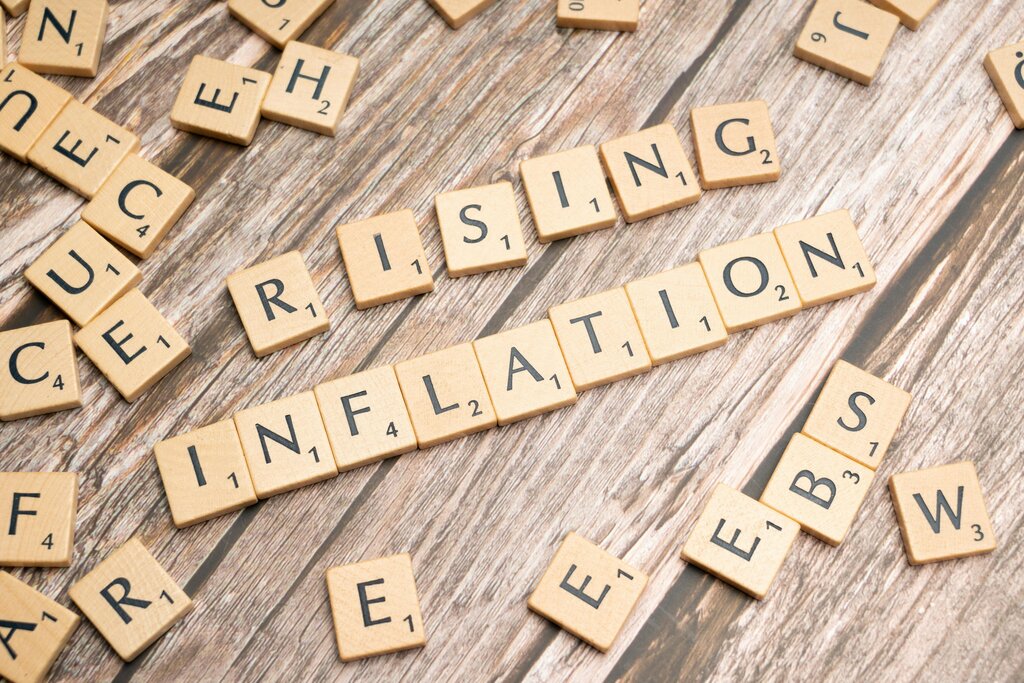
For households, the impact is very direct. If your income doesn't increase at the same rate as inflation, you're falling behind. Your salary might be the same, but you can afford less with it. This is especially hard on people with fixed incomes, like retirees, who see their savings buy less and less over time.
The money you've saved in a bank account slowly loses value. A nest egg that seemed large ten years ago might feel much smaller today due to the cumulative effects of inflation.
Understanding what inflation is and where it comes from is the first step in navigating its effects. It's a fundamental economic force that shapes financial decisions on both a personal and national level.
What is the primary effect of inflation on the value of money?
The phrase "too much money chasing too few goods" is commonly used to describe which economic phenomenon?