Inflation Metrics for Household Budgeting
Understanding Inflation
The Ever-Shrinking Dollar
Inflation is the gradual increase in the prices of goods and services across an entire economy over time. As prices rise, the purchasing power of money falls. In simpler terms, your dollar buys less today than it did yesterday.
Think of it this way: If a cup of coffee costs 💲2.50 this year and 💲2.60 next year, that 4% price jump is inflation in action. The coffee hasn't changed, but the value of the money you use to buy it has decreased.
inflation
noun
The rate at which the general level of prices for goods and services is rising, and subsequently, purchasing power is falling.
This isn't just about one or two items getting more expensive. Inflation refers to a broad increase affecting many products and services simultaneously, from groceries and gasoline to haircuts and housing. It's a fundamental economic concept that impacts everyone.
Why Do Prices Rise?
Inflation doesn't happen in a vacuum. It's typically driven by a combination of economic forces. The two most common causes are often described as "too much money chasing too few goods" and rising production costs.
Demand-Pull Inflation: This occurs when consumer demand for goods and services outstrips the economy's ability to produce them. When everyone wants to buy the same limited number of things, sellers can raise prices. Think of it like a popular concert with limited tickets – high demand leads to higher ticket prices.
In this scenario, the whole economy is essentially trying to buy more than it can make, pulling prices upward.
Cost-Push Inflation: This happens when the cost to produce goods and services increases. If the price of raw materials, energy, or labor goes up, businesses often pass those higher costs on to consumers in the form of higher prices to protect their profit margins. A spike in global oil prices, for instance, can increase shipping costs for nearly every product, pushing prices up across the board.
The Ripple Effect on the Economy
Inflation isn't just an abstract number; it has real-world consequences for the entire economy. A moderate level of inflation is often seen as a sign of a healthy, growing economy. However, when it gets too high, it can create problems.
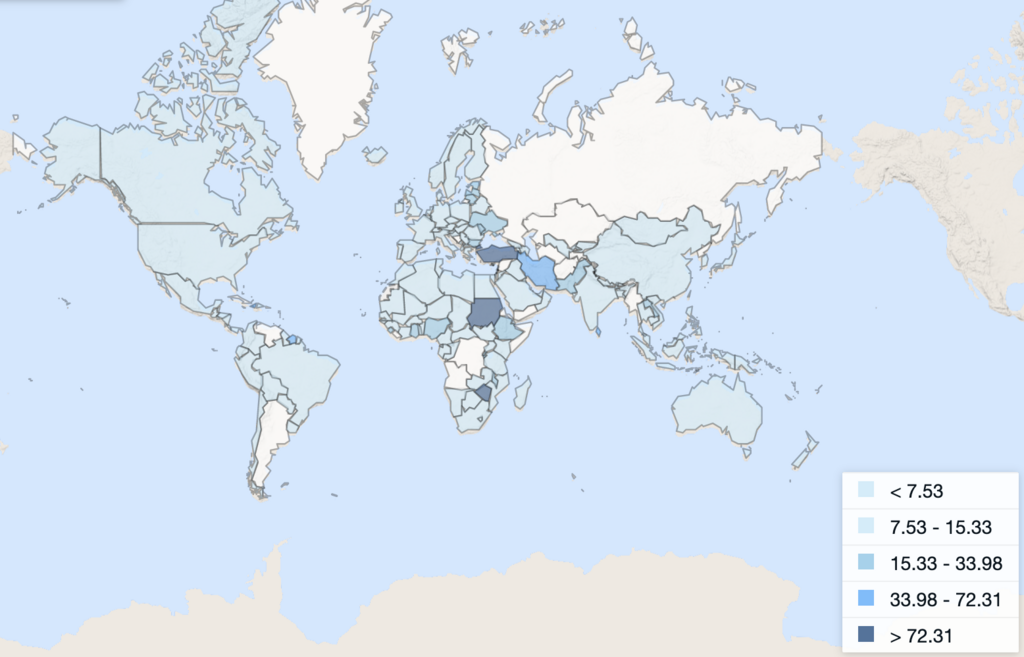
High inflation creates uncertainty, making it difficult for businesses to set prices and for households to plan for the future. It can also impact wealth distribution. For example, savers are hurt because the money they've put away buys less over time. On the other hand, borrowers can benefit, as they repay loans with money that is worth less than when they borrowed it.
Inflation and Your Finances
On a personal level, inflation directly affects your cost of living and the value of your money. If your income doesn't increase at the same rate as inflation, your ability to purchase goods and services declines. This is the difference between your nominal (the dollar amount) and real (what it can actually buy) wage.
If you get a 3% raise but inflation is at 4%, you've actually taken a 1% pay cut in terms of purchasing power. This is why financial planning often focuses on earning a return on investments that outpaces inflation. Money sitting in a low-interest savings account, or worse, under a mattress, is constantly losing value.
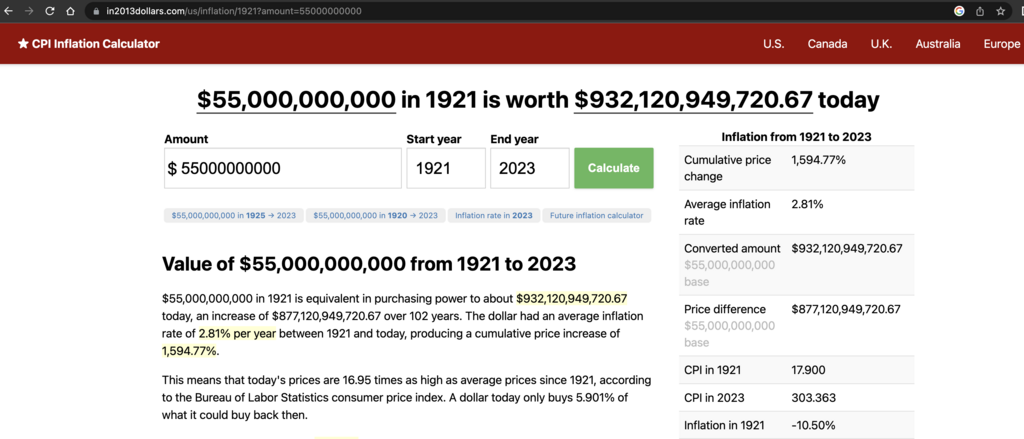
If left unaddressed, inflation can erode your purchasing power, making it harder to save for the future or maintain your current standard of living.
Understanding these basic principles is the first step toward navigating a changing economic landscape. By recognizing what inflation is and how it works, you can make more informed decisions about budgeting, saving, and investing for your future.
What is the most accurate definition of inflation?
As inflation rises, what happens to the purchasing power of your money?