Inflation Metrics for Household Budgeting
Understanding Inflation
What is Inflation?
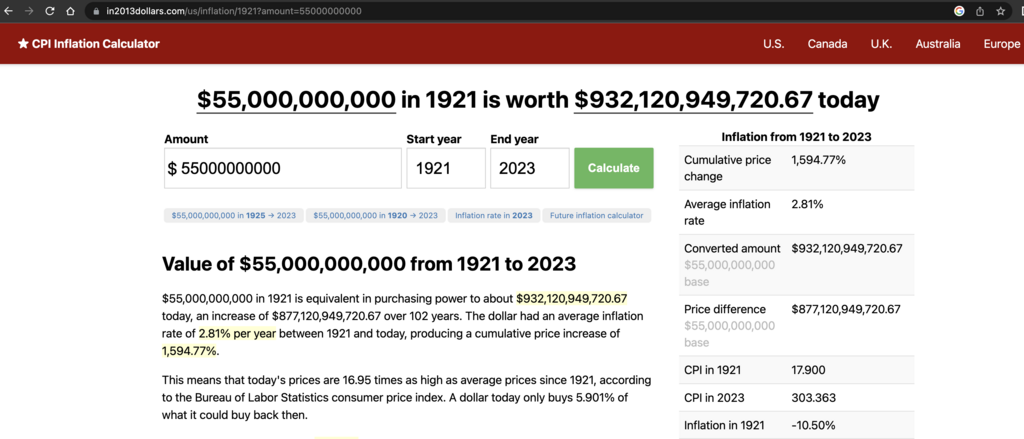
Inflation is the gradual increase in the prices of goods and services across an economy over time. When prices rise, the purchasing power of money falls. This means that each dollar you have buys a smaller percentage of a good or service.
Think of it this way: a movie ticket that cost 💲5 in 1990 might cost 💲15 today. The ticket is the same, but the value of the money needed to buy it has decreased.
Inflation
noun
The rate at which the general level of prices for goods and services is rising, and subsequently, purchasing power is falling.
This isn't necessarily a bad thing. A small, steady amount of inflation is often seen as a sign of a healthy, growing economy. But when inflation happens too quickly, it can create uncertainty and make it hard for people and businesses to plan for the future. Your savings might not be worth as much as you thought, and your salary might not stretch as far.
Where Does It Come From?
Inflation is generally driven by two main forces: the demand for goods and services, and the supply, or the cost of producing them.
This relationship is often summarized as "too much money chasing too few goods."
Demand-Pull Inflation occurs when demand for goods and services outstrips the economy's ability to produce them. When everyone wants to buy the same limited items, sellers can raise prices. This can happen when an economy is strong, unemployment is low, and consumers are feeling confident and spending more.
Imagine a popular new smartphone is released. If far more people want to buy it than the number of phones available, the price will likely be pushed higher.
Cost-Push Inflation is the flip side. It happens when the costs to produce goods and services rise. If it becomes more expensive for businesses to get raw materials, pay for energy, or hire workers, they often pass those higher costs on to consumers in the form of higher prices.
A classic example is a sharp increase in the price of oil. Since oil is used for transportation and manufacturing, higher oil prices can lead to higher prices for a wide range of products, from airline tickets to groceries.
Measuring Price Changes
So how do we know how fast prices are actually rising? Economists don't track every single item. Instead, they use price indexes, which measure the average price changes for a representative sample of goods and services.
The most well-known measure is the Consumer Price Index (CPI). The CPI tracks the monthly change in prices paid by urban consumers for a "market basket" of consumer goods and services. This basket includes everything from food and clothing to housing and transportation. When you hear a news report about the latest inflation rate, it's almost always referring to the annual percentage change in the CPI.
The Consumer Price Index “is a measure of the average change over time in the prices paid by urban consumers for a market basket of consumer goods and services,” according to the Bureau of Labor Statistics (BLS), which issues the monthly report.
Another common measure is the Producer Price Index (PPI), which tracks the prices that domestic producers receive for their output. It can sometimes be a leading indicator for consumer inflation, since increases in producer costs often get passed on to consumers.
The Effects on Your Wallet
Inflation affects everyone, but not always in the same way. It has a ripple effect across the economy.
Savings: If the money in your savings account is earning 1% interest but inflation is running at 3%, your savings are actually losing purchasing power over time. The real return on your savings is negative. This encourages people to spend or invest their money rather than save it.
Wages: If prices are rising but your salary isn't, your real wage is falling. You can't buy as much with your paycheck as you could before. This is why wage negotiations often include cost-of-living adjustments, which are designed to keep wages in line with inflation.
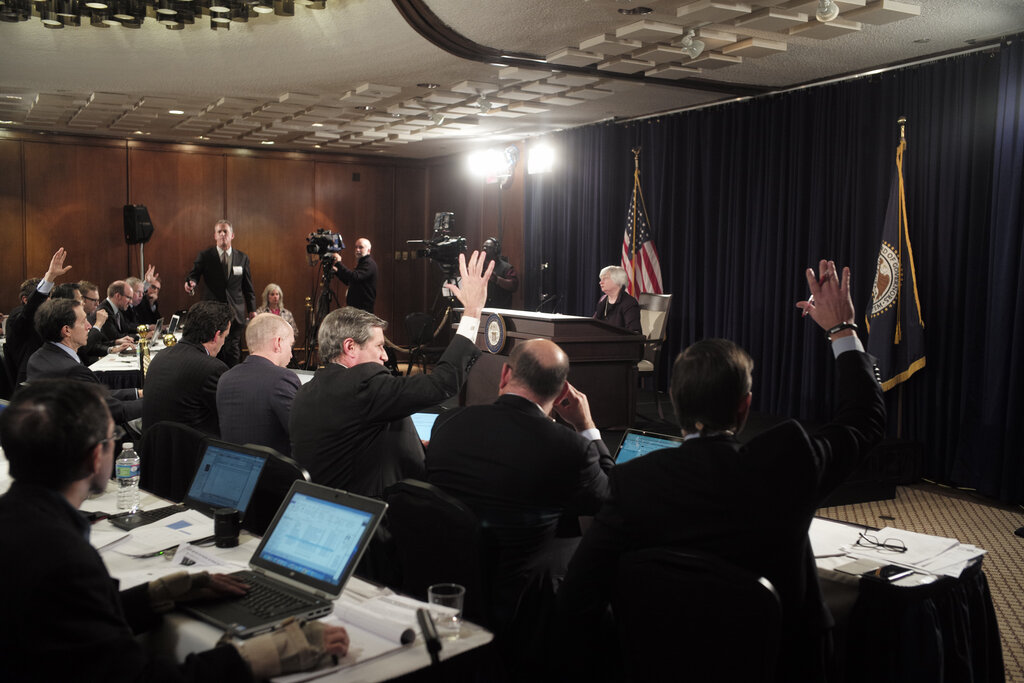
Interest Rates: Central banks, like the Federal Reserve in the U.S., often combat high inflation by raising interest rates. Higher interest rates make it more expensive to borrow money, which can cool down spending and slow the economy, helping to bring inflation under control. This means mortgages, car loans, and credit card interest rates can all go up.
Before we wrap up, let's test your understanding of these core concepts.
If your savings account earns 2% annual interest while the inflation rate is 3%, what is happening to the real value of your savings?
A country experiences a boom in consumer confidence, leading to a surge in spending that outpaces the production of goods. This causes widespread price increases. What is this an example of?
Understanding inflation is the first step toward navigating its effects on your personal finances and the economy as a whole.