Inflation Metrics for Household Budgeting
Understanding Inflation
What is Inflation?
Have you ever heard an older relative talk about how a movie ticket used to cost a quarter? That's inflation in a nutshell. It's the gradual increase in the prices of goods and services across an entire economy over time. When prices rise, the value of your money falls. The same dollar buys you less than it did before.
Inflation means your money doesn't stretch as far as it used to. Each dollar you have buys a smaller percentage of a good or service.
This isn't about one or two items getting more expensive. A bad harvest might make strawberries pricier for a summer, but that's not inflation. Inflation is a broad, sustained increase affecting everything from gasoline and groceries to rent and restaurant meals. It's a key indicator of an economy's health.
Why Do Prices Rise?
There are two main forces that drive prices up across an economy. Think of it as a push and a pull.
First, there's demand-pull inflation. This happens when there's more money chasing the same amount of goods. It's the classic case of "too much demand, not enough supply." When everyone wants to buy things and has the money to do so, businesses can charge more. This often occurs in a strong, growing economy where people are confident and spending freely.
The other side of the coin is cost-push inflation. This occurs when the cost of producing goods and services goes up. Imagine the price of oil spikes. Since oil is used for transportation and manufacturing for countless products, the cost to make and ship those products rises. Businesses pass these higher costs on to consumers in the form of higher prices.
This isn't driven by consumer demand. In fact, people might buy less, but they still have to pay more because the fundamental costs have increased.
The Power of Expectation
There’s a third, more psychological factor at play: inflation expectations. What we think will happen to prices in the future can directly influence what happens to them now.
If people expect prices to rise by 3% next year, workers might demand a 3% raise to maintain their purchasing power. Businesses, expecting to pay higher wages and material costs, might raise their prices by 3% to protect their profits. It can become a self-fulfilling prophecy.
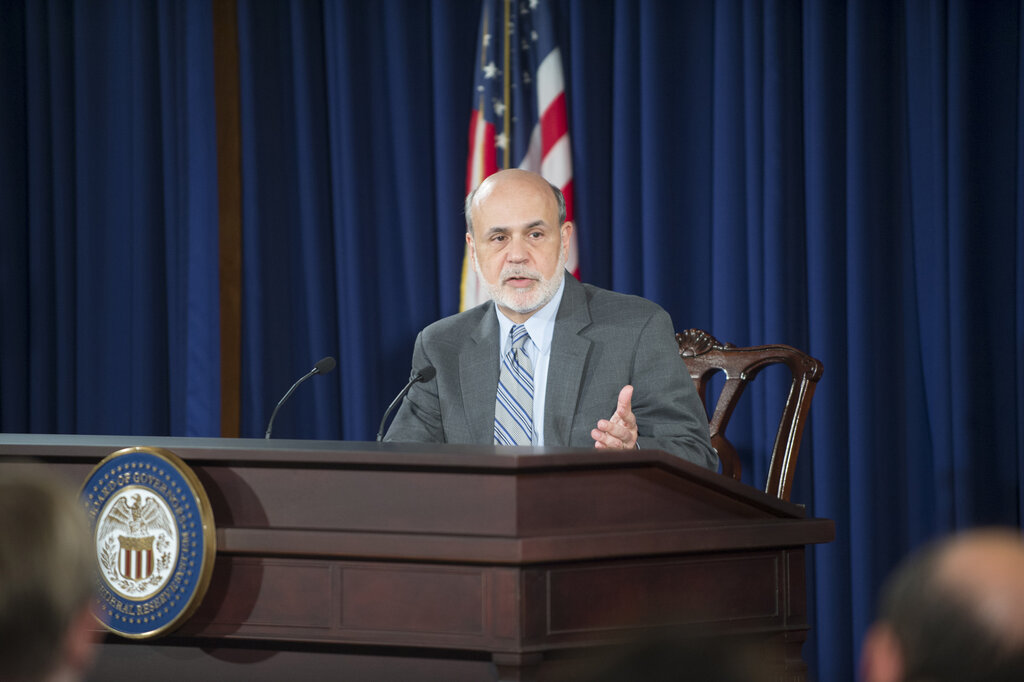
This is why central banks pay close attention to public sentiment. If everyone believes inflation will stay low and stable, it helps keep actual inflation in check. But if expectations for high inflation become widespread, it can be very difficult to bring prices back down.
Ready to check your understanding?
Which of the following best describes inflation?
A global shortage of a key raw material causes the cost of manufacturing thousands of products to rise. Businesses pass these increased costs on to consumers. What is this an example of?
Understanding these core concepts is the first step to making sense of economic news and how it affects your wallet.