Inflation Metrics for Household Budgeting
Understanding Inflation
What is Inflation?
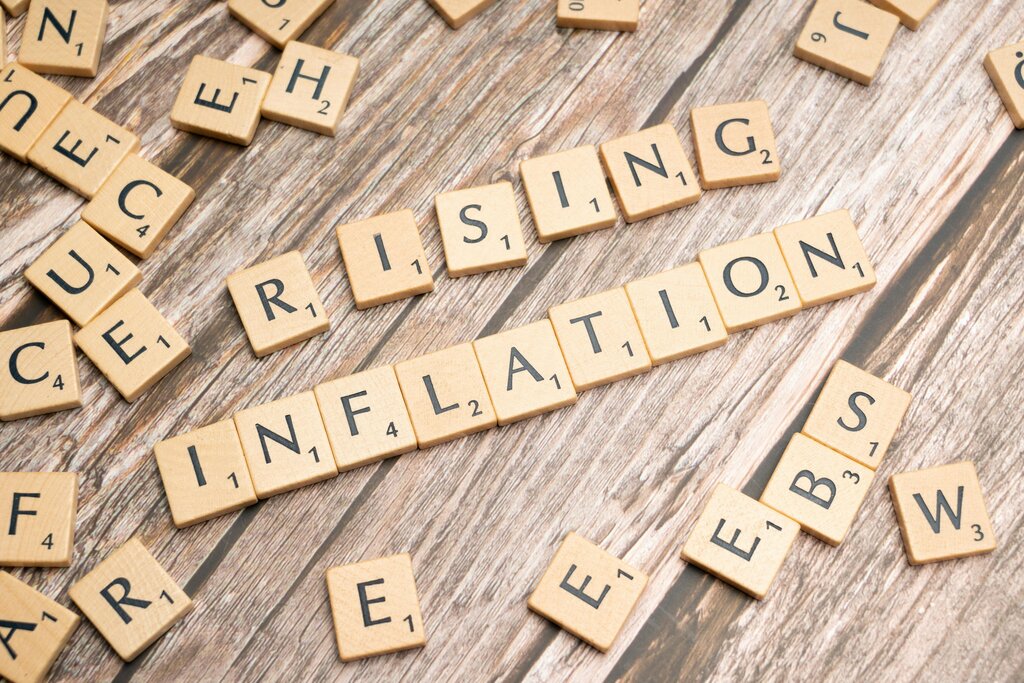
Inflation is a word you hear a lot, from news reports to conversations about the cost of groceries. At its core, inflation is the rate at which the general level of prices for goods and services is rising, and subsequently, the purchasing power of currency is falling.
Think of it this way: If a loaf of bread costs 💲2 today and 💲2.10 next year, that 5% increase is inflation. Your dollar just doesn't stretch as far as it used to.
inflation
noun
The rate of increase in prices over a given period of time, leading to a fall in the purchasing power of money.
This decline in purchasing power is the key takeaway. It means that the same amount of money buys you fewer goods and services than it did before. While prices for individual items can go up or down for various reasons, inflation refers to a broad increase across the economy.
Why Do Prices Rise?
Inflation isn't a mysterious force. It's typically driven by one of two main economic pressures: demand-pull inflation or cost-push inflation. Often, it's a mix of both.
Demand-Pull Inflation
This happens when demand for goods and services outstrips the economy's ability to produce them. It's the classic scenario of "too much money chasing too few goods." When everyone wants to buy something and there isn't enough to go around, sellers can raise prices. This can happen when an economy is growing quickly, consumer confidence is high, or a government increases the money supply.
Cost-Push Inflation
This type of inflation occurs when the cost of producing goods and services rises, forcing businesses to increase their prices to maintain their profit margins. Think of it as a ripple effect. If the cost of a key raw material like oil or wheat goes up, it becomes more expensive to make and transport a huge variety of products. These higher costs are then passed on to the consumer in the form of higher prices.
Controlling Inflation
Because high and unpredictable inflation can destabilize the economy, most countries have a central bank tasked with keeping it under control. In the United States, this is the Federal Reserve, often called "the Fed."
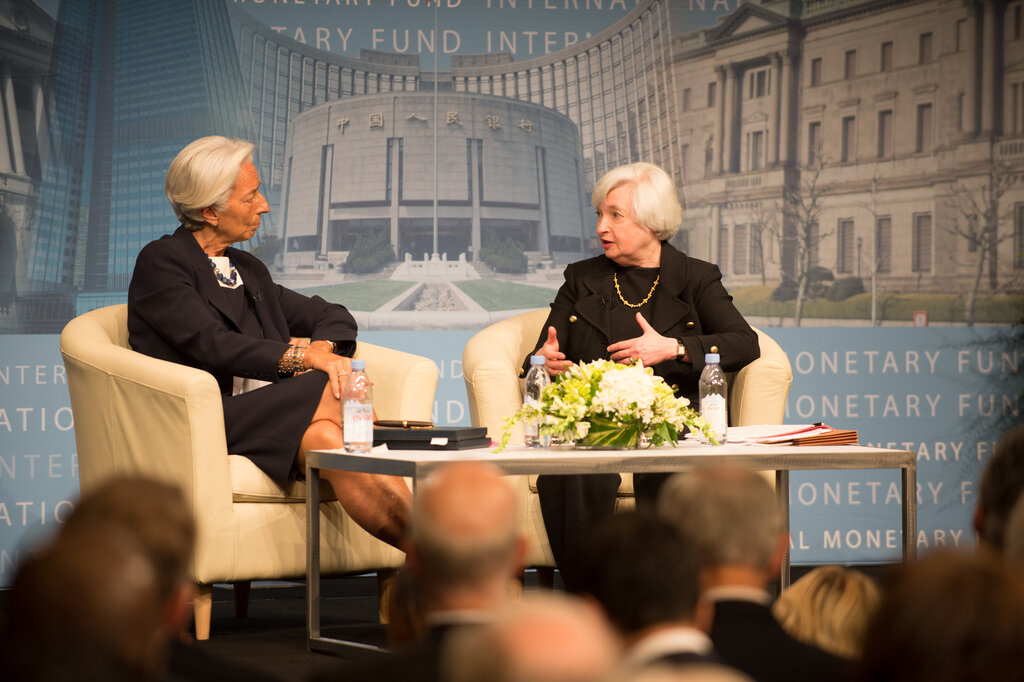
Central banks primarily manage inflation using monetary policy. Their most powerful tool is the ability to influence interest rates.
When inflation is too high, a central bank can raise interest rates. This makes borrowing money more expensive for both consumers and businesses. Higher borrowing costs tend to cool down spending and investment, which reduces the overall demand in the economy. This helps to ease the upward pressure on prices.
By adjusting interest rates, central banks can either step on the economic gas pedal to encourage growth or tap the brakes to slow down inflation.
Finding the right balance is tricky. The goal is to keep inflation low and stable without slowing down economic growth too much. It's a constant balancing act that requires careful monitoring of economic data.
What is the primary consequence of inflation on a currency's purchasing power?
A sudden and significant increase in the global price of oil leads to higher transportation and manufacturing costs for a wide range of products, causing businesses to raise their prices. This scenario is a classic example of what?