Inflation Metrics for Household Budgeting
Understanding Inflation
What is Inflation?
Ever hear an older relative talk about how a movie ticket used to cost a quarter? That's inflation in a nutshell. It's the gradual increase in the prices of goods and services across an economy over time. When prices rise, your money doesn't stretch as far as it used to. Each dollar buys a smaller percentage of a good or service.
This decrease in the value of money is called a loss of purchasing power. A dollar today is worth more than a dollar tomorrow because of inflation.
It’s not just one or two items getting more expensive; it’s a broad increase. Think about groceries, gas, housing, and healthcare. When the costs for most of these things climb together, that's inflation at work. A little bit of inflation is generally considered a sign of a healthy, growing economy. But when it rises too quickly, it can cause problems for everyone.
Why Do Prices Rise?
Inflation doesn't just happen out of nowhere. It's usually driven by two main forces: how much people want to buy stuff (demand) and how much it costs to make that stuff (supply).
Economists call these forces demand-pull and cost-push inflation.
Demand-Pull Inflation
This happens when demand for goods and services outpaces the economy's ability to produce them. It's a classic case of "too much money chasing too few goods." When everyone wants to buy something and there isn't enough to go around, sellers can charge more, and buyers are willing to pay it. This often occurs in a strong economy where people have jobs, feel confident, and are spending more money.
Cost-Push Inflation
This type of inflation occurs when the costs to produce goods and services rise. If it becomes more expensive for companies to make their products, they often pass those higher costs on to consumers in the form of higher prices.
What could cause production costs to rise? It could be anything from an increase in the price of raw materials (like oil or steel), a rise in wages for workers, or even new regulations that make production more expensive. For example, if a severe drought damages the wheat crop, the price of flour will go up. This makes it more expensive for bakeries to make bread, so they raise the price for their customers.
How Inflation Affects Us
Inflation isn't just an abstract economic term; it has real-world consequences for the economy and for your wallet.
For the broader economy, high inflation can create uncertainty. Businesses may delay investing in new projects because they're unsure about future costs and prices. It can also lead to higher interest rates. Central banks often raise interest rates to slow down spending and bring inflation under control. This makes borrowing money more expensive for both businesses and consumers.
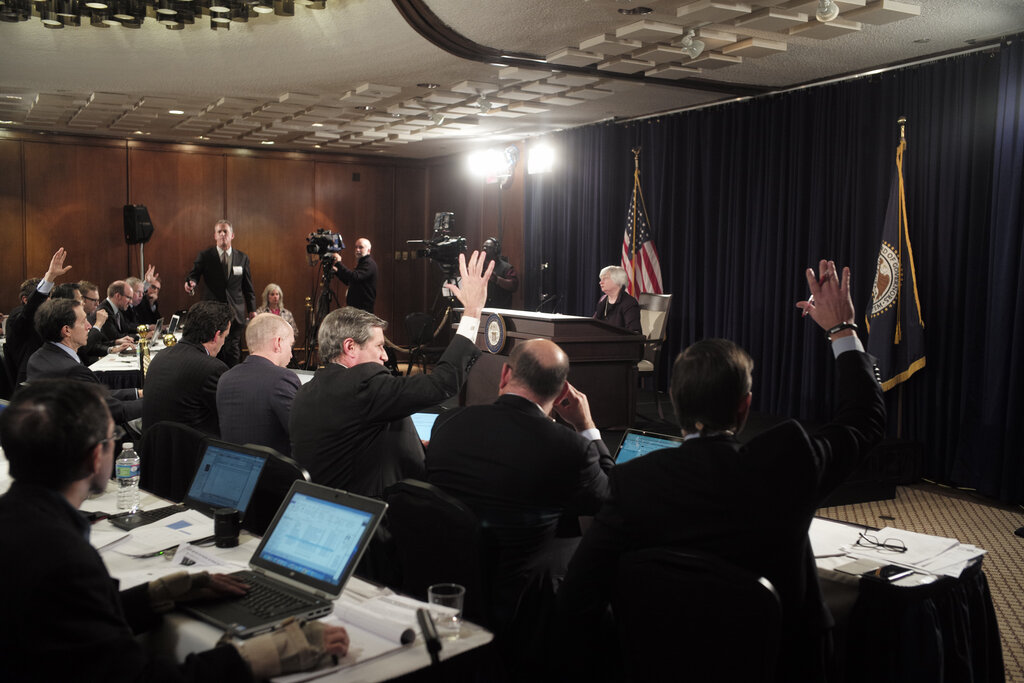
For individuals, the most direct impact is the erosion of purchasing power. Your salary might stay the same, but if prices are rising, you can't buy as much as you could before. This hits people on fixed incomes, like retirees, especially hard. Their income doesn't change, but their cost of living goes up.
Inflation can also discourage saving. If the money you have in a savings account is earning 1% interest, but inflation is running at 3%, the real value of your savings is actually shrinking by 2% each year.
On the other hand, inflation can benefit borrowers. If you have a fixed-rate loan, like a mortgage, the value of the money you have to pay back decreases over time. You're repaying the loan with dollars that are worth less than the ones you originally borrowed.
Ready to check your understanding?
Which of the following best defines inflation?
When a surge in consumer confidence and spending leads to shortages and higher prices, it is known as _______ inflation.
Understanding what inflation is and where it comes from is the first step toward navigating its effects on your financial life.