Inflation Metrics for Household Budgeting
Understanding Inflation
When Your Money Buys Less
Inflation is one of those economic terms you hear all the time, but what does it actually mean? At its core, inflation is the gradual increase in the prices of goods and services across an entire economy. As prices rise, the purchasing power of money falls. In other words, your dollar just doesn't stretch as far as it used to.
Imagine a cup of coffee cost 💲1 twenty years ago. Today, that same cup might cost 💲3. The coffee hasn't changed, but the value of the dollar has. It now takes three times as much money to buy the same thing.
Inflation
noun
The rate at which the general level of prices for goods and services is rising, and subsequently, the purchasing power of currency is falling.
This loss of purchasing power is the key effect of inflation. It means that the cash you have tucked away in a savings account or under your mattress will be able to buy less and less as time goes on. This is why understanding inflation is so crucial for managing your finances.
Why Do Prices Rise?
Inflation doesn't happen by accident. Economists generally point to two main causes. The first is called demand-pull inflation. This happens when demand for goods and services outstrips the economy's ability to produce them. It's the classic case of "too much money chasing too few goods."
Think about it like this: if everyone suddenly gets a big bonus and decides to buy a new car, but car manufacturers can only produce a limited number, dealerships can raise prices. There's more demand than supply, so the price goes up. On a larger scale, this can happen when an economy is booming, unemployment is low, and consumers feel confident about spending.
The second cause is cost-push inflation. This occurs when the cost of producing goods and services rises. Businesses, facing higher expenses, pass those costs on to consumers in the form of higher prices to protect their profit margins.
For example, if a severe drought ruins wheat crops, the price of flour will increase. This makes it more expensive for bakeries to produce bread, so they raise the price of a loaf for their customers. The initial "push" came from the increased cost of a key ingredient.
An increase in the overall money supply can also fuel inflation. When a central bank prints more money, each individual dollar becomes less scarce and therefore less valuable, potentially leading to demand-pull inflation.
Taming Inflation
Because high and unpredictable inflation can be damaging, governments and central banks work to keep it under control. The primary tool for fighting inflation is monetary policy.
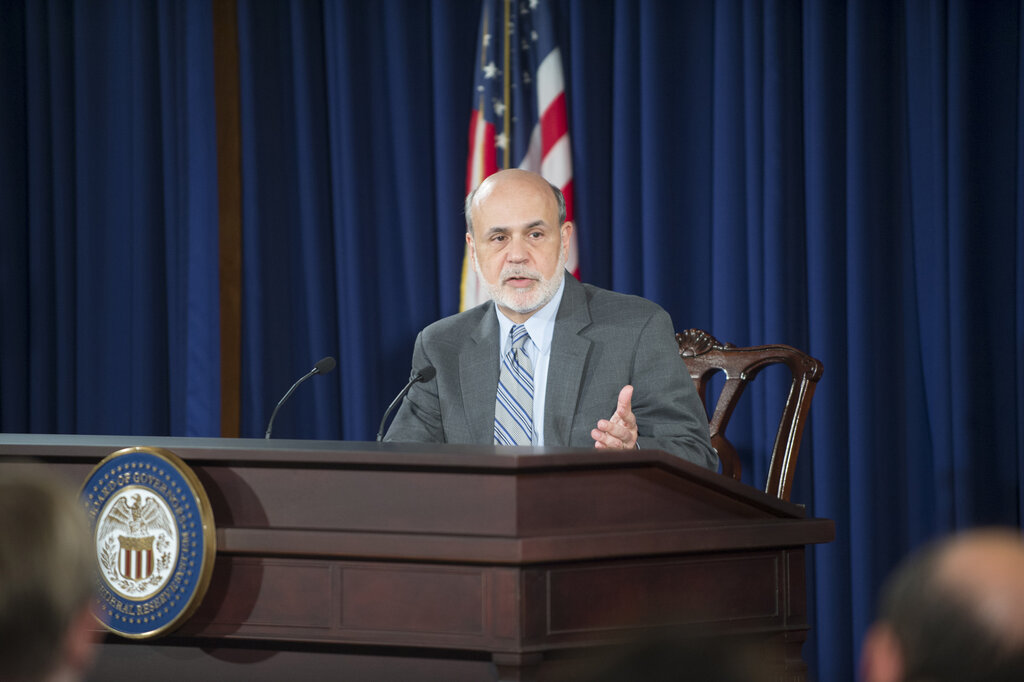
Central banks, like the U.S. Federal Reserve, can influence the economy by adjusting interest rates. When inflation is too high, they typically raise interest rates. This makes borrowing money more expensive for both consumers and businesses.
By raising or lowering interest rates, the Fed tries to influence the cost of borrowing money, which can curb or boost inflation.
Higher borrowing costs discourage people from taking out loans for big purchases like houses or cars, and businesses might delay investing in new equipment or factories. This slowdown in spending reduces overall demand in the economy, which helps to bring prices down and curb inflation. The goal is to cool off the economy without pushing it into a recession—a delicate balancing act.
For now, the key takeaway is that inflation is a natural part of modern economies, but it's something that policymakers watch very closely.