Inflation Metrics for Household Budgeting
Understanding Inflation
What Is Inflation?
Inflation is the gradual increase in the prices of goods and services over time. Think about the price of a gallon of milk or a movie ticket. Chances are, your parents or grandparents paid a lot less for those same items years ago. That change in price is inflation in action.
At its core, inflation means that a dollar today buys less than a dollar did yesterday.
This doesn't mean the value of the goods themselves has increased. Instead, the value, or purchasing power, of the money has decreased. Each dollar, euro, or yen simply doesn't stretch as far as it used to. This process is a fundamental aspect of modern economies.
inflation
noun
The rate at which the general level of prices for goods and services is rising, and subsequently, purchasing power is falling.
What Causes Inflation?
Inflation isn't random. It's typically driven by one of two main forces. Sometimes, it's a combination of both.
The first is called demand-pull inflation. This happens when demand for goods and services outstrips the economy's ability to produce them. It's the classic case of "too much money chasing too few goods." When everyone wants to buy the same limited item, sellers can raise prices, and people will still pay.
The second force is cost-push inflation. This occurs when the cost of producing goods and services rises. For example, if the price of oil goes up, the cost to transport goods to stores increases. To maintain their profits, businesses pass that extra cost on to consumers in the form of higher prices.
How Inflation Affects You
The most direct effect of inflation is on your purchasing power. If the inflation rate is 2% per year, it means that on average, a basket of goods that costs $100 today will cost $102 next year. Your $100 bill can't buy as much as it used to.
Over time, this effect can be dramatic. Money kept in a simple savings account with a low interest rate may actually lose value because the interest earned doesn't keep up with the rate of inflation. This is why people are often encouraged to invest their money in assets that have the potential to grow faster than inflation.
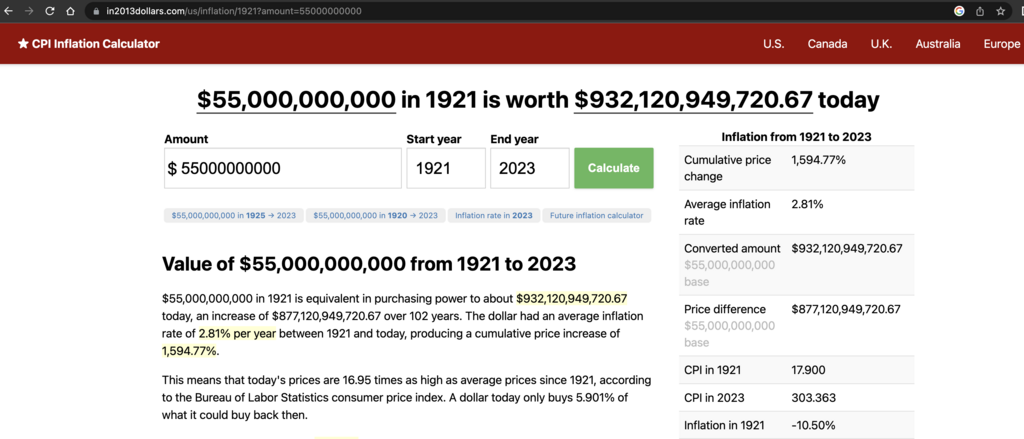
Inflation also impacts the broader economy. It can erode the value of savings, hurting retirees and others on fixed incomes. On the other hand, it can make it easier to pay back loans, since the value of the money being paid back is less than the value of the money that was originally borrowed.
For businesses, steady, predictable inflation is manageable. High or unpredictable inflation, however, makes it difficult to plan for the future. It creates uncertainty about the cost of supplies and the price they can charge customers, which can slow down economic growth.
Inflation affects every household differently, but the impact is universal: higher prices mean your money doesn’t stretch as far as it used to.
Let's check your understanding of these core concepts.
What is the primary definition of inflation?
When inflation occurs, what happens to the purchasing power of money?
Understanding inflation is the first step toward making smarter financial decisions in a world where prices are always changing.