Inflation Metrics for Household Budgeting
Understanding Inflation
What Is Inflation?
Have you ever heard an older relative talk about how a movie ticket used to cost a quarter? That's a glimpse of inflation in action. In simple terms, inflation is the gradual increase in the prices of goods and services across an entire economy. As prices rise, the purchasing power of money falls. This means that your dollar today won't buy as much as it did yesterday.
Inflation
noun
The rate at which the general level of prices for goods and services is rising, and subsequently, the purchasing power of currency is falling.
Think of it this way: if you have $100 and the inflation rate is 2% per year, then in a year's time, you'll need $102 to buy the same basket of goods that $100 bought you today. Your $100 hasn't disappeared, but its ability to purchase things has shrunk. This erosion of value is the most direct way inflation affects our daily lives.
Why Do Prices Rise?
Inflation isn't random. It's driven by the fundamental economic principles of supply and demand. There are two main culprits behind rising prices: demand-pull inflation and cost-push inflation.
Demand-pull inflation happens when demand for goods and services outstrips the economy's ability to produce them. It's often described as "too much money chasing too few goods."
Imagine a new video game console is released, but the factory can only produce a limited number. If everyone wants one, buyers are willing to pay more, and the price shoots up. On a larger scale, this happens when an economy is growing quickly. People have more money to spend, and they want to buy more cars, homes, and vacations. If businesses can't keep up with this surge in demand, prices across the board will rise.
The other side of the coin is cost-push inflation. This occurs when the cost of producing goods and services rises. Businesses, wanting to protect their profits, pass these higher costs on to consumers in the form of higher prices.
For example, if a severe drought damages the global wheat harvest, the price of flour will increase. This makes it more expensive for bakeries to produce bread, so they raise their prices. This can also happen due to rising wages or an increase in the price of a critical resource like oil, which is used for transportation and manufacturing in almost every industry. A spike in oil prices can trigger a widespread increase in prices across the economy.
The Ripple Effects of Inflation
Inflation affects everyone, but not always in the same way. For consumers, the most obvious impact is a higher cost of living. Your salary might stay the same, but the cost of groceries, gas, and housing goes up, stretching your budget thin. It also discourages saving. Why keep money in a savings account earning 1% interest when inflation is running at 3%? The real value of your savings is actually decreasing.
Inflation quietly eats away at the value of your savings. The money is still there, but it buys less and less over time.
For the broader economy, a little bit of inflation is often seen as a good thing—it can be a sign that the economy is growing. However, high or unpredictable inflation creates uncertainty. Businesses may postpone investments because they can't accurately predict their future costs and revenues. This can slow down economic growth and lead to higher unemployment. It disrupts the normal functioning of the economy by making it harder for people and businesses to plan for the future.
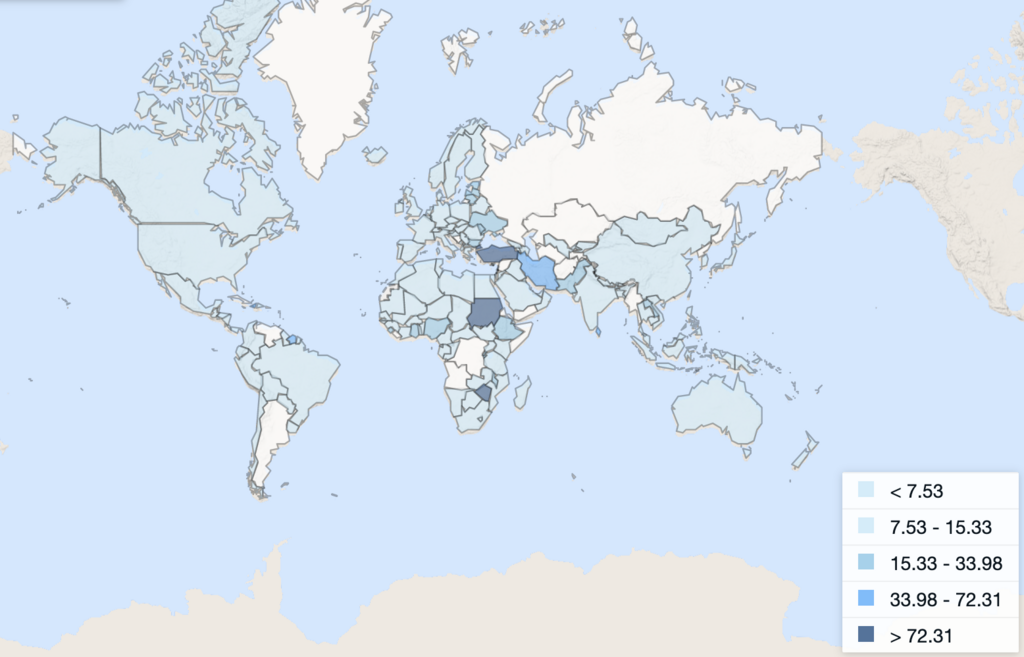
Understanding what inflation is and where it comes from is the first step toward navigating its effects. It's a constant force in the economy that shapes financial decisions for individuals, companies, and governments alike.