Inflation Metrics for Household Budgeting
Understanding Inflation
The Shrinking Dollar
Have you ever heard an older relative talk about how a movie ticket used to cost a quarter? That's inflation in a nutshell. It's the slow, steady increase in the price of goods and services over time. As prices go up, the value of each dollar you have goes down. The same dollar buys you less than it did before.
Inflation means your money doesn't stretch as far as it used to.
This decrease in how much your money can buy is called a loss of purchasing power. A little bit of inflation is generally considered normal for a growing economy. But when it happens too quickly, it can cause problems for households and businesses. So, what makes prices go up in the first place?
Why Prices Rise
Economists point to two main culprits behind inflation. The first is called demand-pull inflation. This happens when the demand for goods and services outstrips the economy's ability to produce them. Think of it as "too many dollars chasing too few goods."
Imagine a popular new gaming console is released. Everyone wants one, but the factory can only make so many. Stores sell out instantly. Because demand is so high, sellers can raise the price, and people will still be willing to pay it. When this happens across the entire economy for many different products, you get demand-pull inflation.
The second cause is cost-push inflation. This occurs when the cost of producing goods and services rises. If it becomes more expensive for companies to make their products, they often pass those higher costs on to consumers in the form of higher prices.
A classic example is the price of oil. Oil is used to make fuel for transportation and as a raw material for plastics and other goods. If the price of crude oil goes up, it becomes more expensive to ship products to stores, and the materials to make them might cost more, too. Businesses raise their prices to protect their profits, and the result is cost-push inflation.
Living with Inflation
Inflation affects everyone, but not always in the same way. One of the biggest impacts is on savings. If you have money sitting in a low-interest savings account, inflation can eat away at its value. If prices rise by 3% in a year and your account only pays 1% interest, your money's purchasing power has actually shrunk by 2%.
If left unaddressed, inflation can erode your purchasing power, making it harder to save for the future or maintain your current standard of living.
It also changes the cost of living. When prices for essentials like food, housing, and energy go up, household budgets get squeezed. People on fixed incomes, like retirees, are hit especially hard because their income doesn't increase along with prices.
On the other hand, inflation can sometimes help borrowers. If you have a fixed-rate loan, like a mortgage, you're paying it back with dollars that are worth less than when you first borrowed the money. While inflation can make it easier to pay off old debts, it also makes it harder to afford new things.
Keeping Inflation in Check
Because high and unpredictable inflation can harm the economy, countries have special institutions to manage it. In the United States, that job falls to the Federal Reserve, which is the nation's central bank.
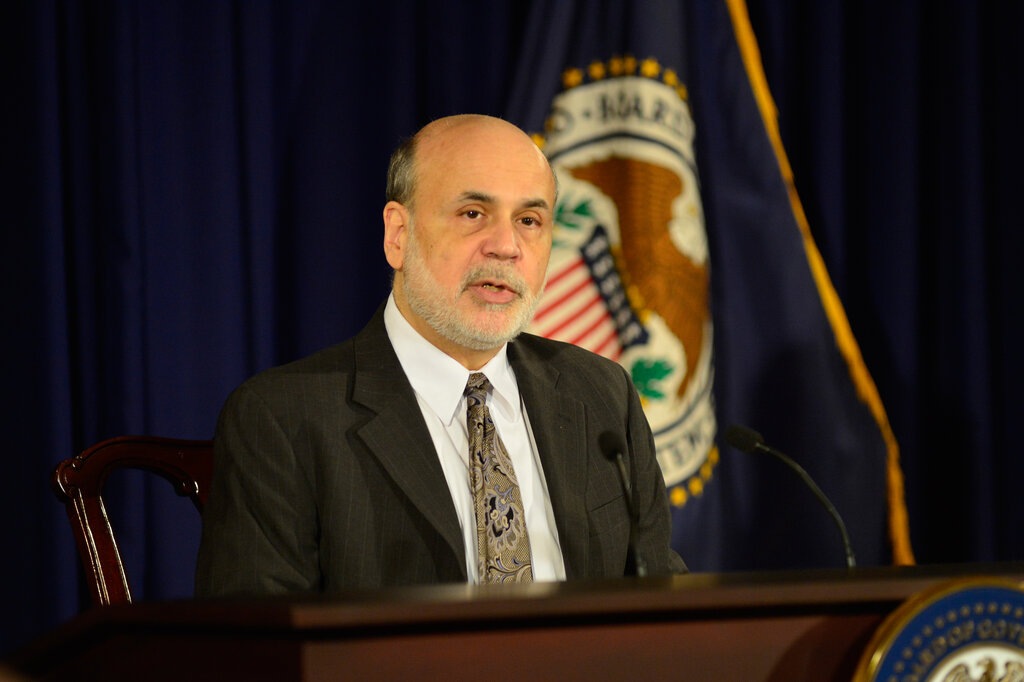
The Federal Reserve uses tools of monetary policy to influence the economy. Its primary tool is adjusting interest rates. When inflation is too high, the Fed can raise interest rates. This makes borrowing money more expensive for both people and businesses. Higher borrowing costs tend to cool down spending, which helps slow the rate of price increases.
Conversely, if the economy is weak and inflation is too low, the Fed might lower interest rates to encourage borrowing and spending, giving the economy a boost. The goal is to strike a balance: keeping prices stable and employment high without letting the economy overheat or slide into a downturn.
Ready to test your knowledge? Let's see what you've learned about inflation.
What is the primary effect of inflation on money's purchasing power?
A widespread drought raises the cost of wheat, leading to higher prices for bread and pasta. This is an example of what type of inflation?
Understanding inflation is a key part of financial literacy. It helps explain why the prices of things change and why central banks take the actions they do.