Inflation Metrics for Household Budgeting
Understanding Inflation
What Is Inflation?
Inflation is the reason a candy bar that cost a nickel in your grandparents' day now costs over a dollar. It’s a slow, steady increase in the prices of goods and services across an entire economy. As prices rise, the purchasing power of money falls. Each dollar you have buys a smaller percentage of a good or service.
inflation
noun
The rate at which the general level of prices for goods and services is rising, and subsequently, purchasing power is falling.
Think of it this way: it’s not that things are getting more expensive, but that your money is becoming less valuable.
What Causes Inflation?
Inflation isn't a mystery; it's driven by basic economic principles. There are three main causes that can work alone or together.
First, there's demand-pull inflation. This happens when demand for goods and services outstrips the economy's ability to produce them. It's often described as "too much money chasing too few goods." When everyone wants to buy the same limited-edition sneakers, sellers can—and will—raise the price.
Next is cost-push inflation. This occurs when the cost of producing goods and services rises. If a severe drought ruins wheat crops, the price of flour goes up. That means bakeries have to spend more to make bread, and they pass that increased cost on to you at the checkout counter.
Finally, there’s built-in inflation. This is more about expectations. If workers expect prices to rise by 3% next year, they might demand a 3% raise to maintain their standard of living. To cover these higher wages, businesses then raise their prices, creating a self-fulfilling cycle known as a wage-price spiral.
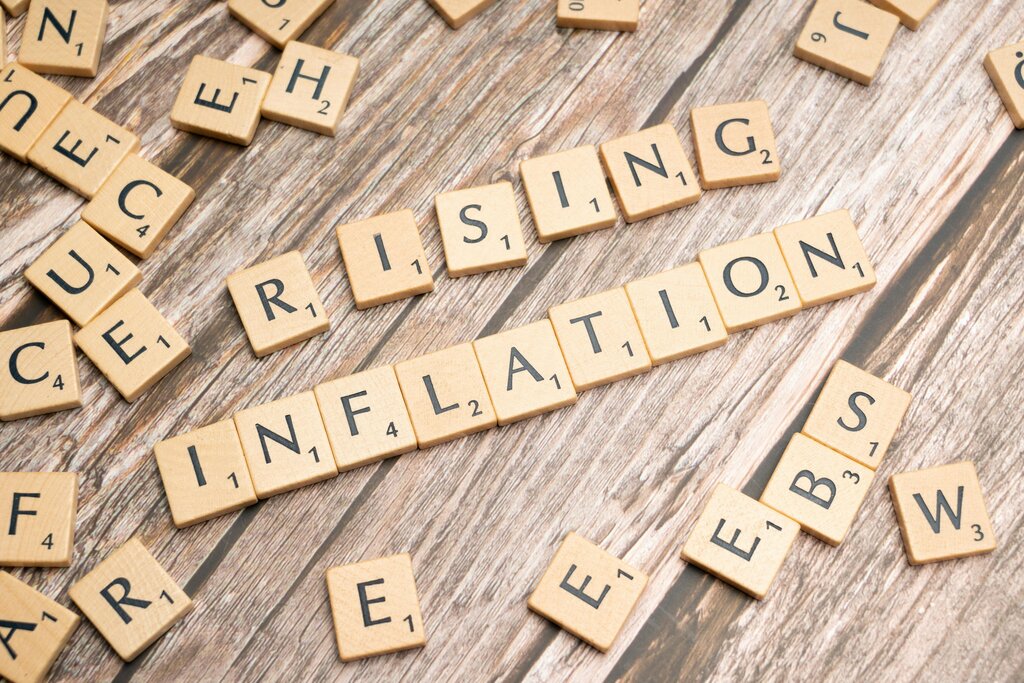
How Inflation Affects Us
The most direct impact of inflation is on your purchasing power. If your income stays the same but prices go up, you can't buy as much as you could before. Your standard of living effectively decreases.
Inflation affects every household differently, but the impact is universal: higher prices mean your money doesn’t stretch as far as it used to.
For example, cash sitting in a savings account earning 1% interest is actually losing purchasing power if inflation is running at 3%. This encourages people to spend or invest their money rather than save it, which can stimulate economic growth.
However, high inflation can be damaging. It creates uncertainty, making it hard for businesses to plan for the future. It can also hurt those on fixed incomes, like retirees, whose income doesn't increase with prices.
While a high rate of inflation is harmful, a small, steady amount is often considered a sign of a healthy, growing economy. Most central banks, like the U.S. Federal Reserve, aim for a modest inflation rate of around 2% per year.
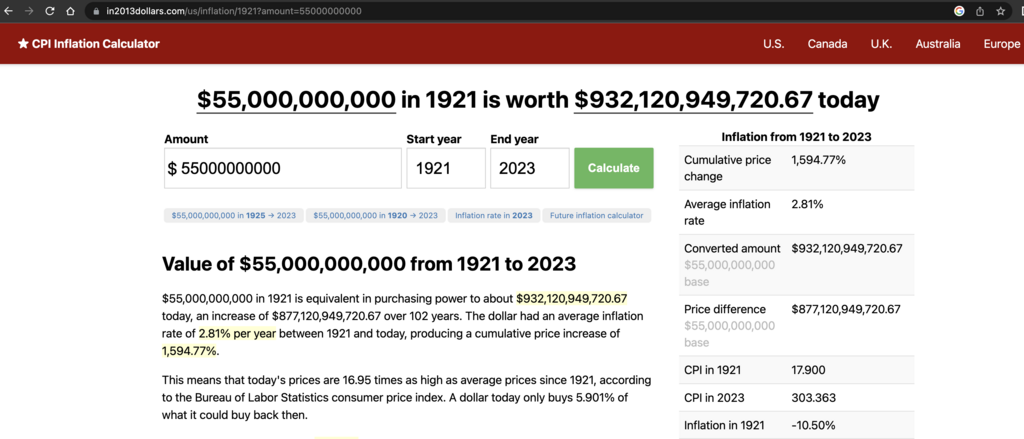
Understanding what inflation is and where it comes from is the first step in navigating its effects on your own financial life. It’s a fundamental force in the economy that touches everything from your grocery bill to your long-term savings.