Inflation Metrics for Household Budgeting
Understanding Inflation
What Is Inflation?
Inflation is the gradual increase in the prices of goods and services over time. Think about the price of a movie ticket. A decade ago, it might have cost $10. Today, that same ticket might be $15. The movie hasn't changed, but the price has. This is inflation in action.
Simply put, inflation means your money doesn’t stretch as far as it used to.
When prices rise across the entire economy, not just for one or two items, the value of a single dollar decreases. Each dollar buys a smaller percentage of a good or service. This erosion of value is known as a loss of purchasing power. Your savings can buy less tomorrow than they can today.
Inflation
noun
The rate at which the general level of prices for goods and services is rising, and subsequently, purchasing power of currency is falling.
Why Prices Rise
Inflation doesn't just happen on its own. It's usually driven by one of two main forces: either everyone wants to buy more stuff than is available, or it becomes more expensive to produce that stuff in the first place.
Economists call these forces demand-pull and cost-push inflation.
Demand-pull inflation occurs when demand for goods and services outstrips the economy's ability to produce them. It's often described as "too much money chasing too few goods." When the economy is strong, people have more money to spend. This increased demand allows sellers to raise prices, because they know people will still buy.
Imagine a popular new video game console is released. If nearly everyone wants one but the company can only make a limited number, stores can charge more than the suggested retail price. That's demand-pull inflation on a small scale.
Cost-push inflation happens when the cost of producing goods and services rises. If it costs a company more to make a product, they will often pass that extra cost on to the consumer by raising the price.
This can happen for a few reasons. The cost of raw materials might go up, like when a widespread drought makes wheat more expensive, raising the price of bread. Or, disruptions in the supply chain, like a major port closing down, can make it more expensive to transport goods, which also pushes prices higher.
The Ripple Effects
Inflation isn't just an abstract economic concept; it has tangible effects on the economy and on household finances. For individuals, the most direct impact is a higher cost of living. If your income doesn't increase at the same rate as inflation, you're effectively losing ground. The money you earn buys less gas, fewer groceries, and smaller portions at your favorite restaurant.
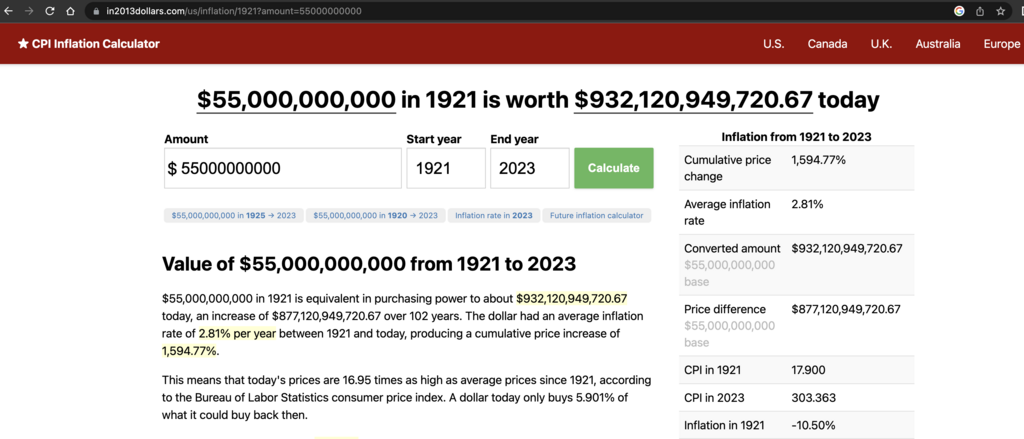
This hits people on fixed incomes, like retirees, especially hard. Their income stays the same while the cost of everything they need goes up.
For the broader economy, moderate inflation can be a sign of healthy economic growth. It encourages people to spend and invest rather than hoard cash that's losing value. However, high inflation can be damaging. It creates uncertainty, making it difficult for businesses to plan for the future. It can also hurt savers, as the interest earned on a savings account may not keep up with the rate at which their money is losing value.
In short, inflation changes the value of money itself, affecting everything from your grocery bill to national economic policy.
Now that you have a handle on what inflation is and where it comes from, let's test your understanding.
What is the primary effect of inflation on the value of a country's currency?
An unexpected frost destroys half of the world's coffee bean crop, causing the price of coffee to double. This is an example of...
Understanding these core concepts is the first step to making sense of economic news and how it affects your financial well-being.