Inflation Metrics for Household Budgeting
Understanding Inflation
The Ever-Shrinking Dollar
You’ve probably heard older relatives talk about how a nickel used to buy a loaf of bread. While prices have certainly gone up, the real story is that the value of that nickel has gone down. This is inflation in a nutshell: the gradual increase in the prices of goods and services over time.
Inflation
noun
The rate at which the general level of prices for goods and services is rising, and subsequently, purchasing power is falling.
When inflation is present, your money doesn't stretch as far as it used to. The $100 you have today will buy you less than $100 would have bought you last year. This erosion of value is called a decrease in purchasing power.
The term “shrinking dollar” refers to the loss of buying power over time due to inflation.
Why Do Prices Rise?
Inflation isn't just a random event; it's driven by economic forces. Economists generally point to two main causes: demand-pull and cost-push inflation.
Demand-pull inflation occurs when demand for goods and services outstrips the economy's ability to produce them. Think of it as "too many dollars chasing too few goods." When everyone wants to buy the same limited-edition sneakers, sellers can raise the price because they know people are willing to pay more.
On the other side of the coin is cost-push inflation.
Cost-push inflation happens when the costs of production go up. If a natural disaster disrupts the supply of wheat, the price of flour increases. Bakeries then have to spend more to make bread, and they pass that extra cost on to you by raising the price per loaf.
The Ripple Effect
Inflation doesn't just happen in a vacuum; it has wide-ranging effects on the entire economy. A moderate amount of inflation can actually be a good thing, as it encourages people and businesses to spend or invest their money rather than hoard cash that's losing value. This keeps money circulating and can help fuel economic growth.
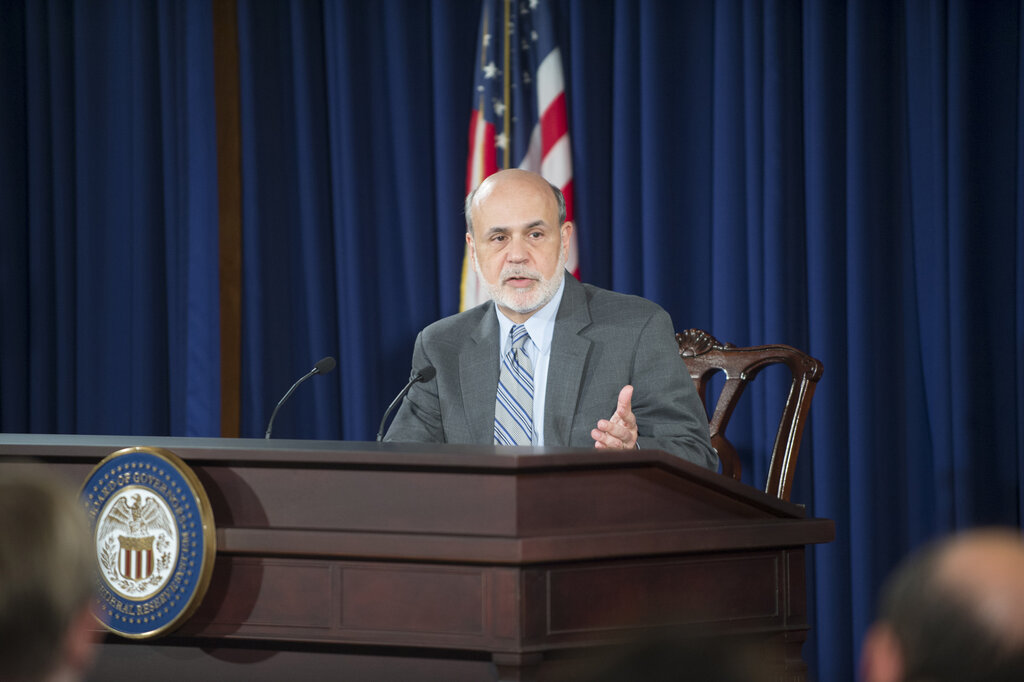
However, when inflation is high or unpredictable, it creates uncertainty. Businesses may delay investments, and consumers might change their spending habits drastically. To combat high inflation, central banks often raise interest rates, which can slow down the economy.
How Inflation Hits Home
On a personal level, inflation directly impacts your financial life. The most obvious effect is on your cost of living. When prices for groceries, gas, and housing go up, your budget feels the squeeze. If your income doesn't increase at the same rate as inflation, you're effectively losing ground.
Inflation is also the silent enemy of savers. Money sitting in a low-interest savings account loses purchasing power over time. If inflation is 3% and your savings account earns 1%, you've lost 2% of your money's value in a year without spending a dime.
Inflation erodes purchasing power over decades.
It can also affect borrowing. While existing fixed-rate loans become easier to pay back with inflated dollars, new loans often come with higher interest rates as lenders try to protect themselves against future inflation.
What is the primary definition of inflation?
Inflation leads to an increase in the purchasing power of money.
Understanding these basic principles is the first step toward navigating the economic environment. While you can't control inflation, knowing what it is and where it comes from helps you understand the forces shaping your financial world.