Inflation Metrics for Household Budgeting
Understanding Inflation
The Shrinking Dollar
Ever hear a grandparent talk about how a candy bar used to cost a nickel? It’s a common trip down memory lane, but it's also a perfect example of a major economic force: inflation. At its core, inflation is the rate at which the general level of prices for goods and services is rising, and subsequently, the purchasing power of currency is falling.
Simply put, inflation means your dollar doesn't stretch as far as it used to. The same 💲1 buys you less today than it did yesterday.
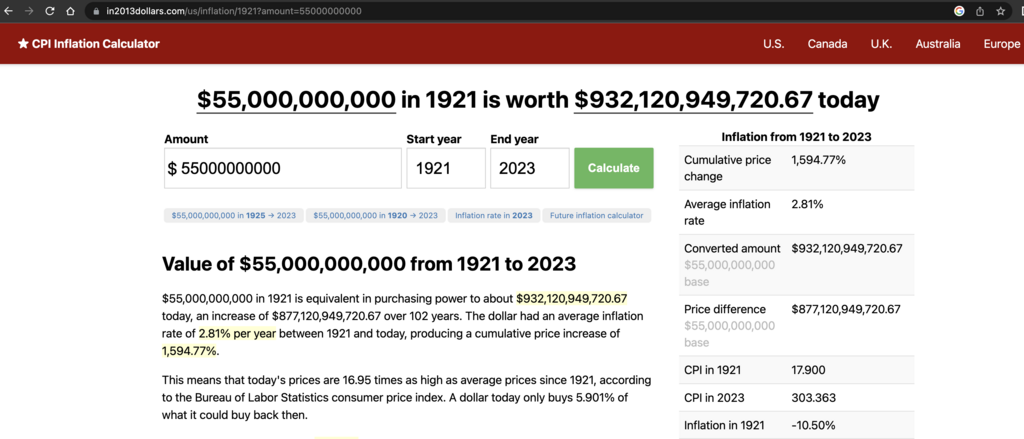
This isn't about one or two items getting more expensive. Inflation is a broad increase across the economy. While a little bit of inflation is often seen as a sign of a healthy, growing economy, high inflation can cause serious problems for households and businesses alike.
If left unaddressed, inflation can erode your purchasing power, making it harder to save for the future or maintain your current standard of living.
Why Do Prices Rise?
Inflation doesn't just happen out of nowhere. It's usually driven by one of two main forces. Economists call them demand-pull and cost-push inflation.
Demand-pull inflation
other
Occurs when demand for goods and services outstrips the economy's ability to produce them. It's often described as “too much money chasing too few goods.”
Imagine a new gaming console is released, and everyone wants one for the holidays. If the company can't make them fast enough to meet the demand, stores might raise the price. Now, apply that logic to the entire economy. When people are spending freely and demand is high across the board, prices get pulled up.
Cost-push inflation
other
Happens when the cost of producing goods and services rises. Businesses pass these higher costs on to consumers in the form of higher prices.
Think about a bakery. If the price of flour, sugar, and electricity goes up, the baker has to spend more to make each loaf of bread. To maintain their profit margins, they'll likely raise the price of the bread. When this happens across many industries at once, from manufacturing to farming, it pushes the overall price level higher.
The Ripple Effect
Inflation's impact goes far beyond the price tag on a gallon of milk. It creates ripples that affect everyone, from individual savers to large corporations and national governments.
For consumers, the most direct impact is a higher cost of living. If your wages don't increase at the same rate as inflation, you can afford less than you could before. Your savings also take a hit. Money sitting in a low-interest savings account effectively loses value, because its purchasing power is shrinking over time.
This is why you might hear financial advisors talk about earning a "real return" on investments, meaning a return that is higher than the rate of inflation.
For the broader economy, inflation introduces uncertainty. Businesses may delay investing in new projects because it's harder to predict future costs and profits. High inflation can also hurt lenders, as the money they are paid back with is worth less than the money they originally loaned out. On the other hand, it can make it easier for borrowers to repay their debts with these cheaper dollars.
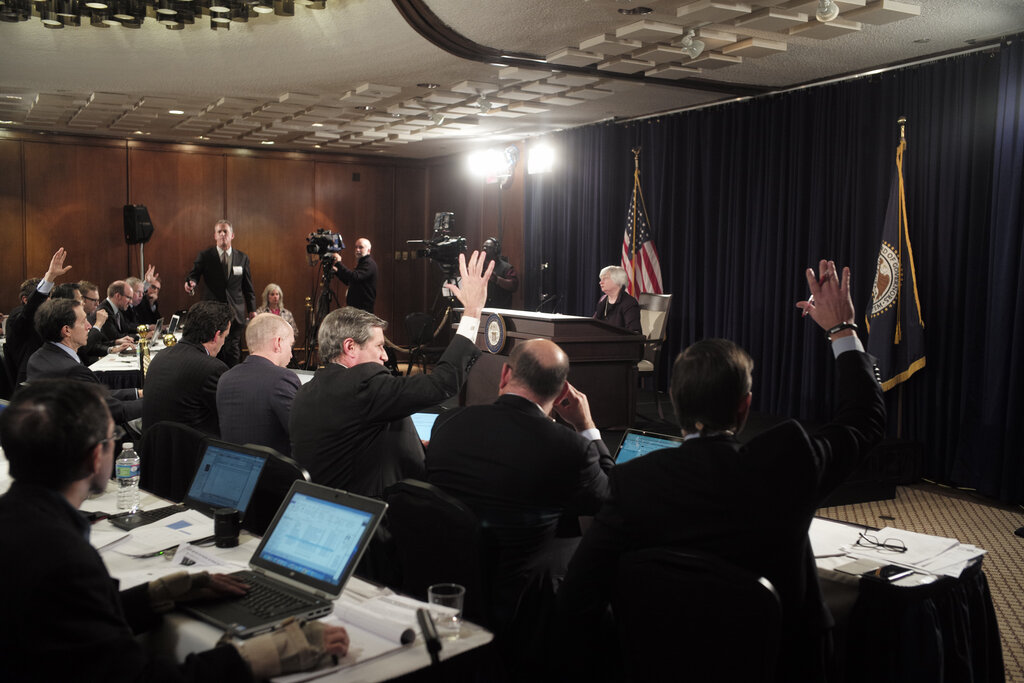
Because of these widespread effects, central banks around the world, like the U.S. Federal Reserve, closely monitor inflation and use their policy tools to try and keep it at a low, stable rate.
Ready to check your understanding of these core concepts?
What is the primary effect of inflation on a currency's purchasing power?
A widespread drought significantly increases the cost of wheat, leading to higher prices for bread and pasta. This is an example of what type of inflation?
Understanding what inflation is and where it comes from is the first step toward navigating its effects on your financial life.