Inflation Metrics for Household Budgeting
Understanding Inflation
The Shrinking Dollar
Ever hear your parents or grandparents talk about how much things used to cost? A nickel for a movie ticket, a dime for a soda. It's not just a story—it's a real economic phenomenon called inflation. In short, inflation is the gradual increase in the prices of goods and services over time.
Inflation
noun
The rate at which the general level of prices for goods and services is rising, and subsequently, purchasing power is falling.
As prices go up, the value of your money goes down. A dollar today buys you less than it did last year. This loss of purchasing power is the main effect of inflation. Think of it like a slow leak in a tire. Over a day, you might not notice much of a difference. But over a year, the tire is flat. Similarly, small amounts of inflation add up over time, significantly reducing what your savings can buy.
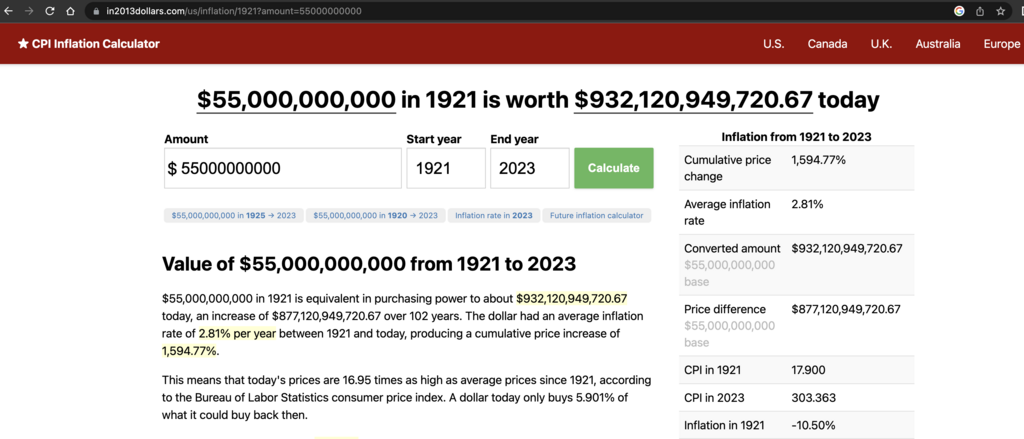
Why Prices Rise
Inflation isn't random. It's usually driven by one of two main forces: an increase in demand or a decrease in supply. Economists call these demand-pull and cost-push inflation.
Think of it this way: either everyone suddenly wants to buy the same thing, or the things everyone wants become harder to get.
Demand-Pull Inflation happens when there's more money chasing the same amount of goods. Imagine a new gaming console is released. Everyone wants one, but the company can only produce a limited number. Eager buyers are willing to pay more, and prices get pushed up. On a larger scale, this happens when the whole economy is running hot. People have jobs, they feel confident, and they're spending money. If production can't keep up with this surge in demand, prices for everything start to climb.
Cost-Push Inflation is the flip side. It occurs when the cost of producing goods and services increases. If a major drought ruins the wheat harvest, the price of flour goes up. That makes bread, pasta, and cookies more expensive to produce, and businesses pass those higher costs on to consumers. A jump in oil prices is a classic example. Since fuel is needed to transport almost everything, higher gas prices can lead to higher prices at the grocery store, the hardware store, and everywhere in between.
Inflation's Ripple Effect
Inflation affects the entire economy. A small, steady amount of inflation (around 2%) is often seen as a good thing. It encourages people to spend and invest rather than hoard cash (which would be losing value), and it makes it easier for wages and prices to adjust. This is why central banks, like the U.S. Federal Reserve, often target a low level of inflation.
But when inflation is high and unpredictable, it creates problems. Businesses can't plan for the future, so they might delay investments in new factories or equipment. This can slow down economic growth.
Inflation affects every household differently, but the impact is universal: higher prices mean your money doesn’t stretch as far as it used to.
For individuals, the impact is very direct. If your wages don't increase as fast as inflation, you're falling behind. Your salary might be bigger, but you can afford less. Inflation is especially tough on people with fixed incomes, like retirees, whose income doesn't change. It also erodes the value of savings. Money sitting in a low-interest savings account loses purchasing power every day that inflation is higher than the interest rate.
Understanding inflation is the first step toward managing your financial life in a world of changing prices. It’s a constant force in the economy that shapes the value of your paycheck, your savings, and your future.