Inflation Metrics for Household Budgeting
Understanding Inflation
What Is Inflation?
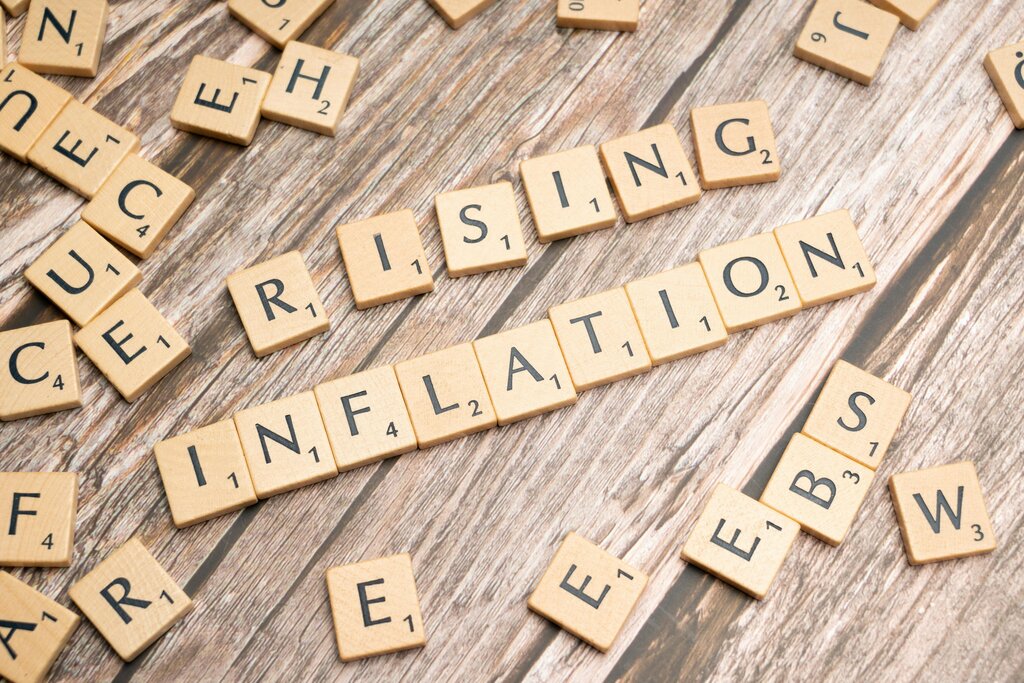
Inflation is one of those economic terms we hear all the time, but what does it actually mean? At its core, inflation is the rate at which the general level of prices for goods and services is rising, and subsequently, the purchasing power of currency is falling.
In simple terms, inflation means your money buys less than it used to. The 💲1 you have today will buy fewer things than it did last year.
Think about the stories your grandparents might tell about the price of a movie ticket or a candy bar when they were young. The reason those prices seem so low is because of inflation over many decades. It's a gradual erosion of the value of money.
inflation
noun
The rate of increase in prices over a given period of time, leading to a fall in the purchasing power of money.
Where Does Inflation Come From?
Inflation doesn't just happen randomly. It's typically driven by one of two main forces: an increase in overall demand or a decrease in overall supply. Economists have specific names for these scenarios.
Demand-Pull Inflation: This happens when there's too much money chasing too few goods. Imagine an auction where everyone has a lot of cash. Bidders will keep raising their prices to win the item. In an economy, when everyone—consumers, businesses, the government—wants to buy more stuff than is available, prices get pulled up.
This often occurs in a strong economy where jobs are plentiful, wages are rising, and people feel confident about spending. It's the classic case of demand outstripping supply.
Cost-Push Inflation: This type of inflation comes from the other side of the equation. It occurs when the costs to produce goods and services rise. Producers, wanting to protect their profit margins, pass those higher costs on to consumers in the form of higher prices.
A common example is a spike in oil prices. Since oil is used for transportation and in the manufacturing of many products, an increase in its price can cause prices to rise across the economy, from the gas pump to the grocery store.
How Inflation Affects Us
Inflation has wide-ranging effects on the economy and on our personal finances. For consumers, the most direct impact is a higher cost of living. Your weekly grocery bill goes up, it costs more to fill your gas tank, and your rent might increase. If your income doesn't rise at the same rate as inflation, you're effectively losing ground. Your paycheck doesn't stretch as far as it did before.
This particularly hurts people on fixed incomes, like retirees. Their income stays the same while the cost of everything they buy goes up.
Inflation also affects savers and borrowers, but in opposite ways. If you have money saved in a bank account earning 1% interest but inflation is running at 3%, the real value of your savings is actually shrinking by 2% per year. On the other hand, if you have a loan with a fixed interest rate, inflation can be a benefit. You're repaying the loan with money that is worth less than the money you originally borrowed.
For the broader economy, moderate inflation is often seen as a sign of healthy growth. But when it gets too high, it can create uncertainty, discourage investment, and destabilize the economy. That's why central banks, like the U.S. Federal Reserve, closely monitor inflation and use tools like interest rates to try to keep it at a stable, manageable level.
Ready to check your understanding? Let's see what you've learned about the basics of inflation.
What is the primary definition of inflation?
Inflation generally benefits people on fixed incomes, such as retirees.
Understanding inflation is the first step to navigating its effects on your financial life. By knowing what causes it and how it works, you're better equipped to make informed decisions.