Inflation Metrics for Household Budgeting
Understanding Inflation
What Is Inflation?
Inflation is the gradual increase in the prices of goods and services over time. As prices rise, the purchasing power of money falls. This means that a single dollar buys less than it did before. Think of it like a slow leak in a tire; over time, the same amount of air (or money) has less and less power.
Simply put, inflation means your money doesn't stretch as far as it used to.
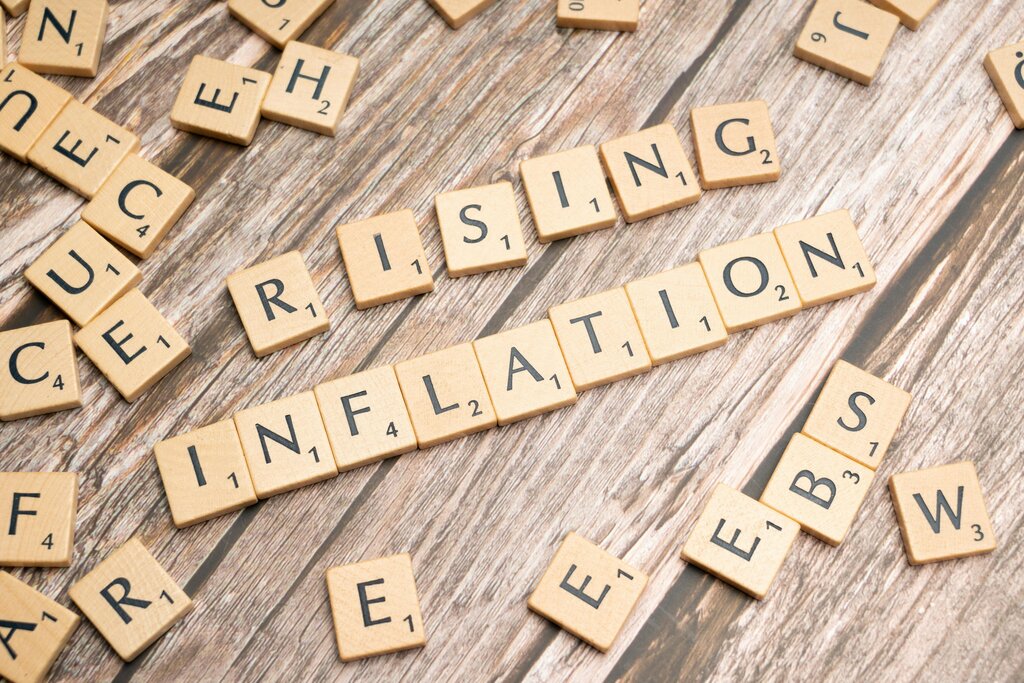
This isn't about the price of one specific item going up. A drought might make strawberries more expensive one summer, but that's not inflation. Inflation is a broad increase across the economy, affecting everything from your morning coffee to your monthly rent. It's a fundamental economic trend, not just a temporary price spike in one market.
Why Prices Rise
Inflation doesn't happen by accident. It's usually driven by one of two main forces: demand-pull or cost-push.
Demand-pull inflation occurs when demand for goods and services outstrips the economy's ability to produce them. It’s a classic case of “too much money chasing too few goods.” When everyone wants to buy something and there isn't enough to go around, sellers can charge more. This often happens in a growing economy where people are confident and spending freely.
Cost-push inflation happens when the cost of producing goods and services increases. If the price of raw materials like oil or steel goes up, companies have to spend more to make their products. To protect their profits, they pass those higher costs on to consumers in the form of higher prices. A rise in wages can also contribute to this.
Sometimes, these two forces can create a cycle. As prices rise, workers demand higher wages to keep up with the cost of living. Higher wages increase business costs, which can lead to even higher prices. This is often called a wage-price spiral.
The Ripple Effects
Inflation has wide-ranging effects on both the overall economy and your personal finances. The most direct impact is on your purchasing power. If your income stays the same but prices for food, gas, and housing go up, you can't afford to buy as much as you could before. Your standard of living may decline unless your wages increase at the same rate as inflation.
Inflation also affects savers and borrowers differently. If you have cash saved in a low-interest account, inflation erodes its value over time. On the other hand, if you have a fixed-rate loan, like a mortgage, inflation can actually help you. You're repaying the loan with money that is worth less than when you borrowed it.
CPI figures might seem pretty abstract, but they reflect the very real price changes that affect every aspect of your day-to-day spending.
This forces households to make tough choices. You might need to cut back on non-essential spending, look for ways to increase your income, or change your saving and investing strategies. A well-planned budget becomes essential for navigating a period of rising prices and ensuring your financial stability.
Let's check your understanding of these core concepts.
Which of the following best defines inflation?
When a surge in consumer spending outpaces the economy's ability to produce goods and services, leading to widespread price increases, it is called:
Grasping what inflation is and where it comes from is the first step toward managing its impact on your financial life.