Inflation Metrics for Household Budgeting
Understanding Inflation
What is Inflation?
Imagine you have a $20 bill. Thirty years ago, that could buy you a couple of movie tickets, a large popcorn, and a soda. Today, that same $20 might just cover the cost of a single ticket. This change in what your money can buy is the essence of inflation.
inflation
noun
The rate at which the general level of prices for goods and services is rising, and subsequently, purchasing power is falling.
Inflation doesn't mean everything gets more expensive all at once. The prices of some things might rise quickly, some slowly, and some might even fall. Inflation refers to the average increase in prices across the entire economy.
When inflation is high, the value of each dollar you have goes down. Your money simply doesn't stretch as far as it used to.
The core effect of inflation is a decrease in purchasing power. Each dollar buys a smaller percentage of a good or service.
What Causes Inflation?
There isn't one single cause of inflation. Economists generally point to three main types that can act alone or together.
First is demand-pull inflation. This happens when demand for goods and services outstrips the economy's ability to produce them. Think of it like a hot new video game console being released. Everyone wants one, but there aren't enough to go around. To manage the high demand, sellers raise the price. In an economy, this happens when people have a lot of money to spend, driving up prices for everything from cars to haircuts.
Second is cost-push inflation. This occurs when the cost to produce goods and services rises. If the price of oil skyrockets, it becomes more expensive for companies to ship their products and power their factories. To protect their profits, they pass these higher costs on to consumers in the form of higher prices.
Finally, there's built-in inflation. This type is all about expectations. If workers expect prices to go up next year, they'll demand higher wages to keep up. Businesses, in turn, raise their prices to cover these higher labor costs. This can create a cycle where expectations of inflation help create actual inflation, often called a wage-price spiral.
How Inflation Is Measured
To measure inflation, economists don't track the price of every single item sold. Instead, they create a "market basket" of goods and services that represents what a typical household buys. This basket includes hundreds of items, from gasoline and groceries to clothing and medical care.
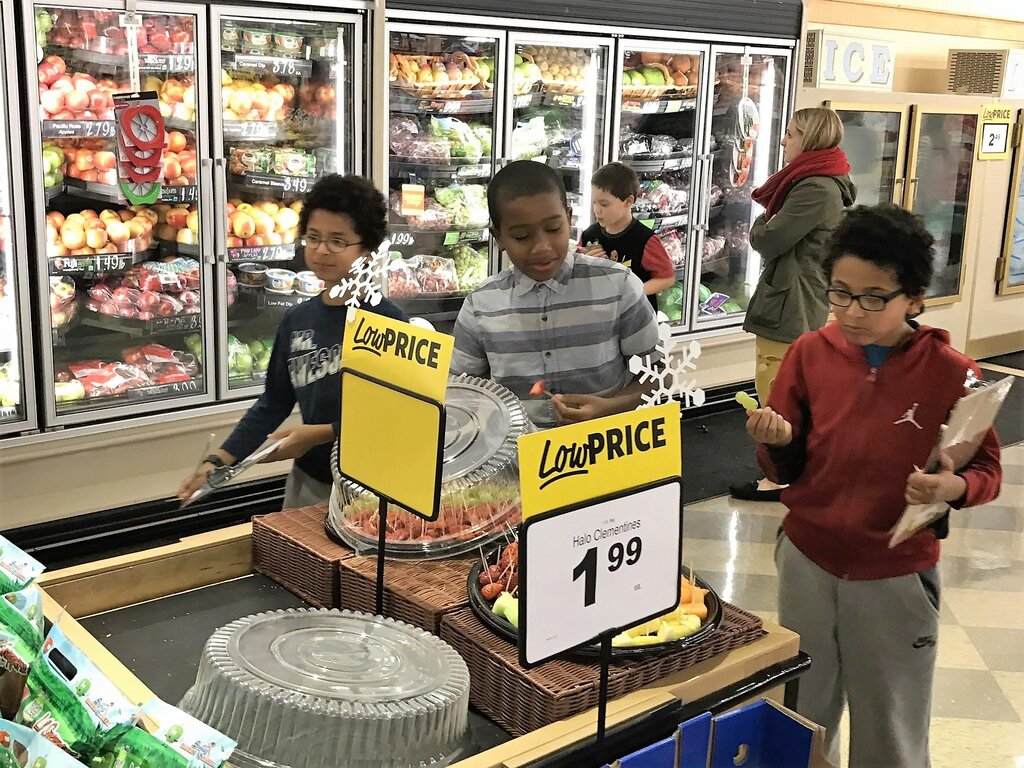
Government agencies then track the total cost of this basket from month to month and year to year. The percentage change in the price of the basket over a period of time is the inflation rate. If the basket cost $100 last year and $103 this year, the annual inflation rate is 3%.
The Consumer Price Index (CPI), produced by the Bureau of Labor Statistics (BLS), is the most widely used measure of inflation.
This method gives us a single number to represent the overall change in prices, providing a crucial snapshot of the economy's health.
Why Does Inflation Matter?
Inflation affects everyone, from individuals and businesses to entire governments. Its most direct impact is on the cost of living. If prices rise faster than wages, people's ability to afford goods and services declines, and their standard of living can fall.
It also has a major impact on savings. If you put money in a savings account that earns 1% interest for the year, but inflation runs at 3%, the real value of your savings has actually shrunk by 2%. The money you get back buys less than the money you put in.
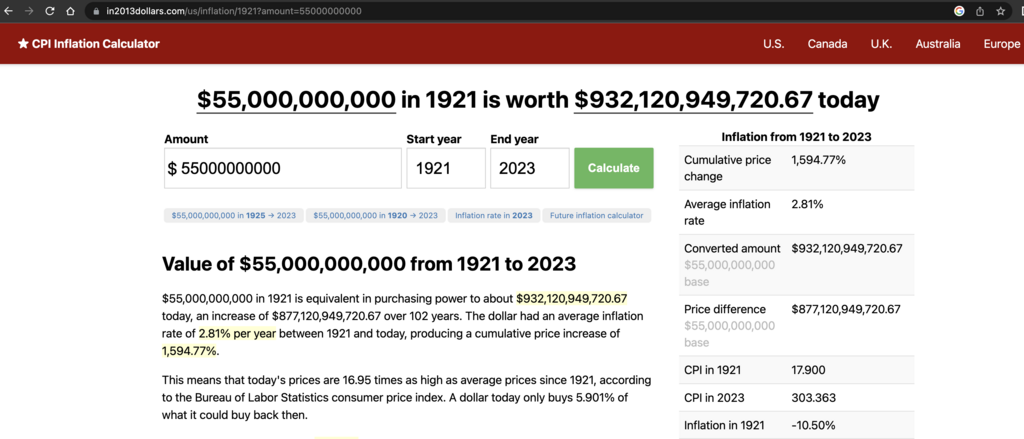
On the flip side, inflation can be good for borrowers. Someone who took out a 30-year mortgage at a fixed interest rate benefits from inflation because they are repaying the loan with money that is worth less over time.
For the broader economy, high or unpredictable inflation creates uncertainty. It makes it harder for businesses to set prices and plan for future investments. That's why central banks and governments closely monitor inflation and use policy tools to try and keep it at a low, stable rate. A little inflation is often seen as a sign of a healthy, growing economy, but too much can be damaging.
Let's check your understanding of these core concepts.
Which of the following best defines inflation?
A massive drought destroys half of a country's wheat crop, causing the price of bread and other grain products to skyrocket. This is an example of what type of inflation?
Understanding inflation is the first step toward making smarter financial decisions and comprehending the economic news that shapes our world.