Inflation Metrics for Budgeting
Understanding Inflation
What is Inflation?
Inflation is the rate at which prices for goods and services rise over time. When prices go up, the purchasing power of your money goes down. A dollar today simply doesn't buy as much as it did yesterday.
Think of it this way: if a cup of coffee costs 💲3 today, and the inflation rate is 2% per year, next year that same cup will cost about 💲3.06. Your dollar has become slightly less powerful.
Inflation
noun
The rate of increase in prices over a given period of time, leading to a fall in the purchasing value of money.
This doesn't mean every single price is always going up. Some prices might fall while others rise. Inflation refers to the average increase across a wide range of things we buy, from groceries and gasoline to haircuts and movie tickets.
Where Does Inflation Come From?
Inflation isn't mysterious. It generally stems from two main pressures in the economy: demand-pull and cost-push.
Demand-Pull Inflation: This happens when demand for goods and services outstrips the economy's ability to produce them. It's often described as "too much money chasing too few goods." When everyone wants to buy something and there isn't enough to go around, sellers can charge more.
Cost-Push Inflation: This occurs when the costs to produce goods and services rise. For example, if the price of oil increases, it becomes more expensive to transport goods and make plastics. To maintain their profits, businesses pass these higher costs on to consumers in the form of higher prices.
How Inflation Affects You
Inflation isn't just an abstract economic number; it has a direct impact on your financial life. The most significant effect is the erosion of your purchasing power. If your income doesn't increase at the same rate as inflation, you can't afford to buy as much as you could before. Your standard of living effectively decreases.
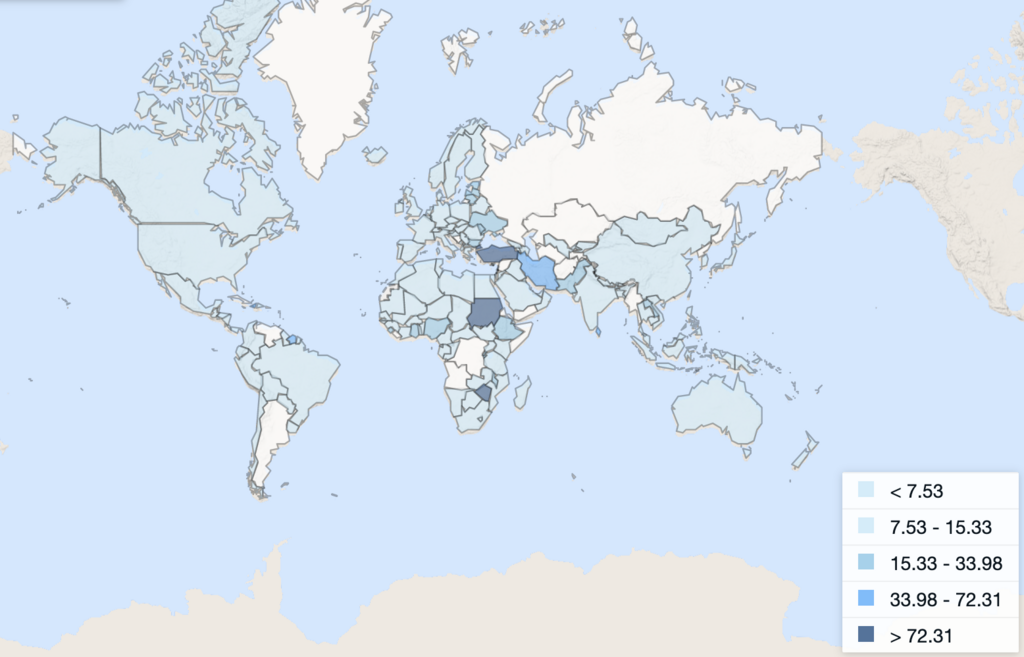
Inflation also creates winners and losers. It tends to hurt savers because the money they've put away for the future becomes less valuable over time. A thousand dollars saved in a bank account will buy fewer goods in ten years if inflation is consistently high.
On the other hand, inflation can sometimes benefit borrowers. Someone who took out a 30-year mortgage at a fixed interest rate, for example, repays the loan with money that is worth less than when they first borrowed it. This makes the debt less of a burden over time.
The Bigger Picture
For the economy as a whole, a small amount of inflation is generally considered healthy. It can signal a growing economy where wages are rising and people are spending. Most central banks, like the Federal Reserve in the United States, aim for a steady, low inflation rate, typically around 2%.
However, high and unpredictable inflation is a problem. It creates uncertainty, making it difficult for businesses to set prices and plan for future investments. This can slow down economic growth. When inflation gets out of control, central banks often step in by raising interest rates to cool down the economy and bring prices back under control.
When you hear the results of the monthly CPI, you’re getting a short-hand version of what’s happening in the economy and what the average person is dealing with financially.
Understanding inflation is the first step to navigating its effects. It's a fundamental force that shapes financial decisions for individuals, businesses, and governments alike.