Inflation Metrics and Your Budget
Understanding Inflation
What is Inflation?
Have you ever heard an older relative talk about how a candy bar used to cost a nickel? Today, that same candy bar might cost over a dollar. This isn't just the price of candy changing; it's an example of inflation. At its core, inflation is the gradual increase in the prices of goods and services across an entire economy.
inflation
noun
The rate at which the general level of prices for goods and services is rising, and subsequently, the purchasing power of currency is falling.
When prices rise, each dollar you have buys a smaller percentage of a good or service. This decline in the value of money is called a loss of purchasing power. If the inflation rate is 2% per year, then a coffee that costs $3.00 this year will cost about $3.06 next year. It might not seem like much, but over time, these small increases add up, affecting everything from your grocery bill to your savings.
In short, inflation means your money doesn't stretch as far as it used to.
Where Does It Come From?
Inflation doesn't just happen randomly. It's usually caused by a mismatch between the supply of goods and services and the demand for them. Economists point to two main culprits: demand-pull inflation and cost-push inflation.
Demand-pull inflation occurs when demand for goods and services outpaces the economy's ability to produce them. Think of it as "too many dollars chasing too few goods."
Imagine a new, popular video game console is released. Everyone wants one, but the factory can only produce a limited number. With so many buyers competing, stores can raise the price, and people will still pay it. When this happens across the whole economy for many different products, you get demand-pull inflation. An increase in overall demand shifts the demand curve to the right, leading to a higher price level.
The other main type is cost-push inflation. This happens when the cost to produce goods and services rises. Businesses, wanting to protect their profits, pass these higher costs on to consumers in the form of higher prices.
For example, if a severe drought ruins wheat crops, the price of flour goes up. Bakeries now have to pay more for their main ingredient. To cover this new expense, they raise the price of bread. Similarly, a rise in oil prices can increase shipping costs for nearly every product, pushing prices up across the board. This is shown as a leftward shift in the supply curve, which also leads to a higher price level.
What It Means for You
Inflation isn't just an abstract economic term; it has real-world consequences. The most direct impact is on your cost of living. When prices rise but your income stays the same, you can't afford to buy as much as you could before. This hits people on fixed incomes, like retirees, especially hard.
It also affects savings. Money sitting in a low-interest savings account loses purchasing power over time. If the inflation rate is 3% and your savings account only earns 1% interest, the real value of your savings is actually shrinking by 2% each year.
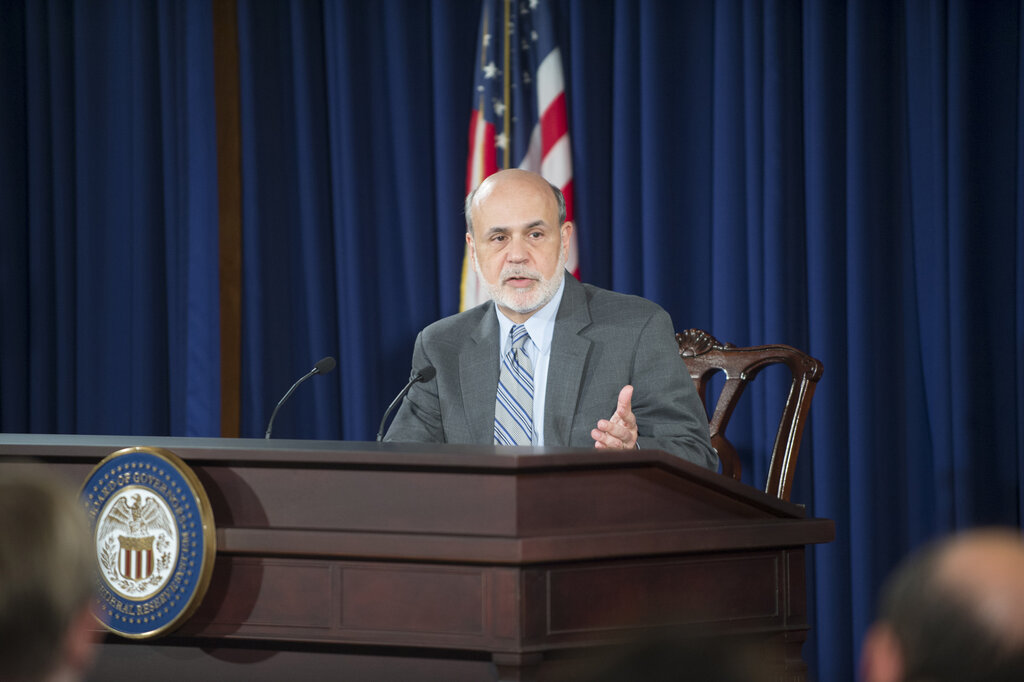
However, a small, predictable amount of inflation isn't necessarily bad. Many economists believe that a low, steady inflation rate (around 2%) is a sign of a healthy economy. It can encourage people to spend or invest their money rather than hoarding it, which helps drive economic growth.
The danger lies in high or unpredictable inflation, which creates uncertainty. When businesses and consumers are unsure about what prices will look like in the future, they may pull back on spending and investment, which can slow down the entire economy. For this reason, governments and central banks work to keep inflation under control.
What is the primary effect of inflation on money's value?
A massive government stimulus program gives most citizens extra money to spend. As a result, demand for goods like cars and electronics skyrockets, far exceeding supply and causing prices to rise. This situation is a classic example of what?
Understanding these basics of inflation is the first step toward making sense of broader economic news and how it affects your financial life.