Inflation Metrics and Household Budgeting
Understanding Inflation
What Is Inflation?
Inflation is the gradual increase in the prices of goods and services across an entire economy. As prices rise, the purchasing power of money falls. In other words, your dollar doesn't stretch as far as it used to.
Think about a candy bar. Decades ago, it might have cost a nickel. Today, that same candy bar might cost over a dollar. That's inflation in action. It's not that the candy bar has become magically more valuable; it's that the value of the currency used to buy it has decreased over time.
inflation
noun
The rate at which the general level of prices for goods and services is rising, and subsequently, the purchasing power of currency is falling.
A small amount of inflation is generally considered a sign of a healthy, growing economy. Most central banks aim for a target inflation rate of around 2%. Problems arise when inflation gets too high, eroding savings and creating economic uncertainty. Conversely, falling prices, or deflation, can also be damaging, as it discourages spending and can lead to economic stagnation.
Why Do Prices Rise?
Inflation doesn't just happen on its own. It's typically driven by one of two main forces: an increase in overall demand or a decrease in overall supply.
Demand-Pull Inflation: This occurs when demand for goods and services outpaces the economy's ability to produce them. It's often described as "too much money chasing too few goods."
When the economy is strong, unemployment is low, and consumers are feeling confident, they tend to spend more. This surge in demand allows producers to raise prices, because they know people are willing and able to pay more. The government can also contribute to this by increasing spending or cutting taxes, putting more money into consumers' pockets.
The other primary cause is a shock to the supply side of the economy.
Cost-Push Inflation: This happens when the costs to produce goods and services rise. Businesses pass these higher costs on to consumers in the form of higher prices to protect their profit margins.
Imagine a sudden spike in the price of oil. This makes transportation more expensive for nearly every business, from the farmer shipping vegetables to the factory shipping electronics. A natural disaster that disrupts a supply chain or an increase in wages can also push costs up. In these cases, the overall supply of goods and services shrinks, leading to higher prices for the same level of demand.
Managing the Economy
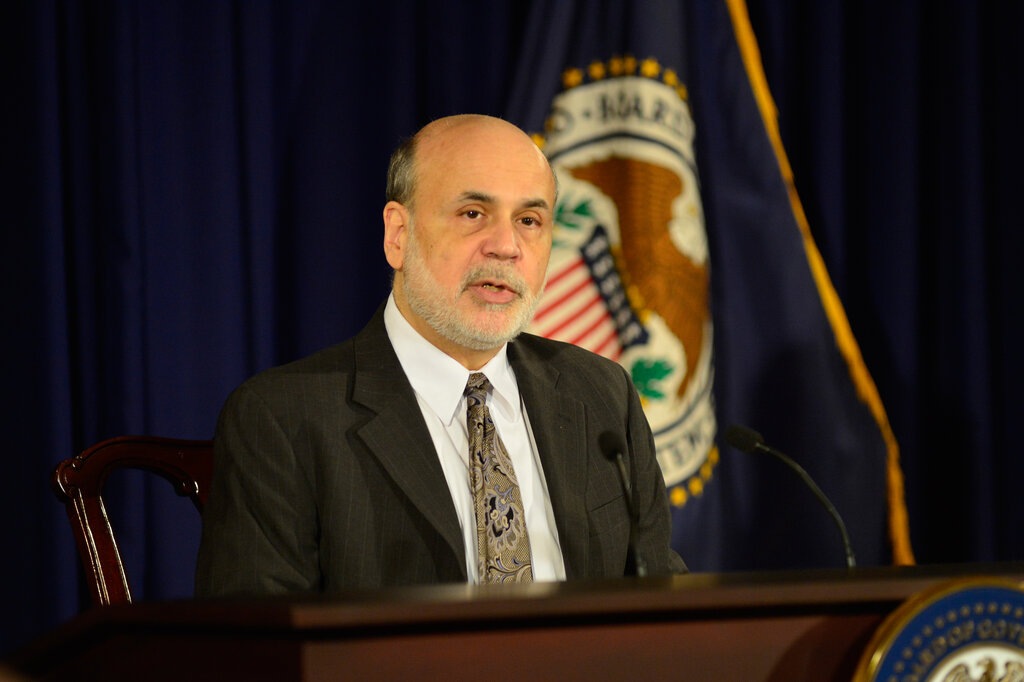
Because high inflation can be so disruptive, governments have institutions dedicated to keeping it under control. In the United States, this job falls to the Federal Reserve, the nation's central bank.
The Fed uses tools of monetary policy to manage inflation. Its primary tool is influencing interest rates. When inflation is too high, the Fed can raise interest rates. This makes it more expensive for people and businesses to borrow money, which cools down spending and slows the economy. When inflation is too low or the economy is weak, the Fed can lower interest rates to encourage borrowing and spending, stimulating economic growth.
This is a delicate balancing act. Raise rates too much, and you risk causing a recession. Don't raise them enough, and inflation could spiral out of control.
Inflation in History
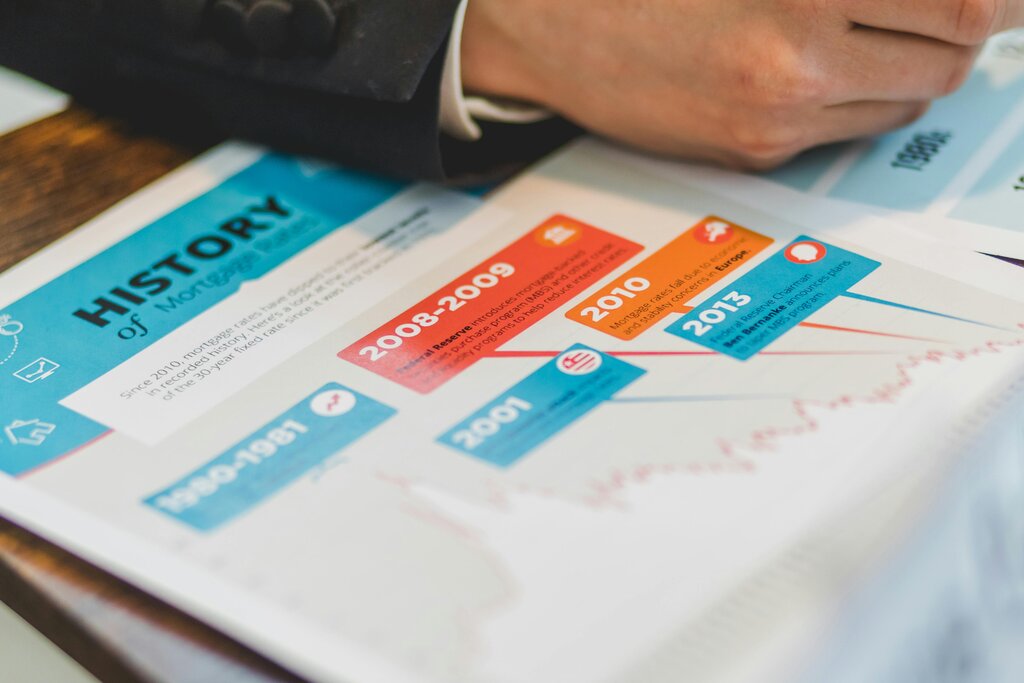
History offers many examples of how inflation can shape economies. In the United States, the 1970s and early 1980s were a period of high inflation, known as "The Great Inflation." A combination of factors, including high government spending and oil price shocks, pushed annual inflation into the double digits. It was a painful period of economic instability that only ended after the Federal Reserve, under Chairman Paul Volcker, aggressively raised interest rates, triggering a deep but ultimately successful recession to break the cycle.
More extreme examples exist elsewhere. After World War I, Germany experienced hyperinflation, where prices skyrocketed at an astonishing rate. The currency became virtually worthless, and people had to carry money in wheelbarrows just to buy bread. This economic chaos created social instability that had profound consequences.
These historical events underscore why managing inflation is a central goal of modern economic policy. Understanding its causes and effects is the first step in navigating its impact on the economy and our lives.
What is the most direct consequence of inflation on consumers' money?
Most central banks consider an annual inflation rate of around ____ to be a sign of a healthy, growing economy.