Inflation Metrics and Household Budgeting
Understanding Inflation
What Is Inflation?
You’ve probably noticed that the price of, well, everything seems to go up over time. A movie ticket that cost a few dollars decades ago is now much more expensive. That’s inflation in a nutshell: the gradual increase in the prices of goods and services across an entire economy.
inflation
noun
The rate at which the general level of prices for goods and services is rising, and subsequently, purchasing power is falling.
It’s not just about one item becoming pricier. Inflation is a broad, economy-wide trend. Think of it like a slow, steady leak in a tire. The air is your money's value, and over time, there's just less of it. A dollar today simply doesn't buy as much as a dollar did in the past.
Inflation is an economic principle describing how the prices of goods and services generally increase over time.
Why Do Prices Rise?
Inflation doesn't just happen. It's driven by economic forces, primarily falling into two categories: demand-pull and cost-push.
Demand-pull inflation occurs when there's more money chasing fewer goods. Imagine a popular new video game console is released in limited quantities. If everyone wants it, stores can raise the price because they know eager buyers will pay more. On a larger scale, when an entire economy has a lot of spending power, the total demand for goods and services can outstrip the supply, pulling prices up.
Cost-push inflation is the flip side. It happens when the cost of producing goods and services increases. If a widespread drought ruins the wheat harvest, the price of flour goes up. This makes it more expensive for bakeries to make bread, so they pass that extra cost on to the consumer by raising the price of a loaf. The higher production cost is "pushed" onto the buyer.
Other common causes of cost-push inflation include rising wages or an increase in the price of raw materials like oil.
The Shrinking Power of a Dollar
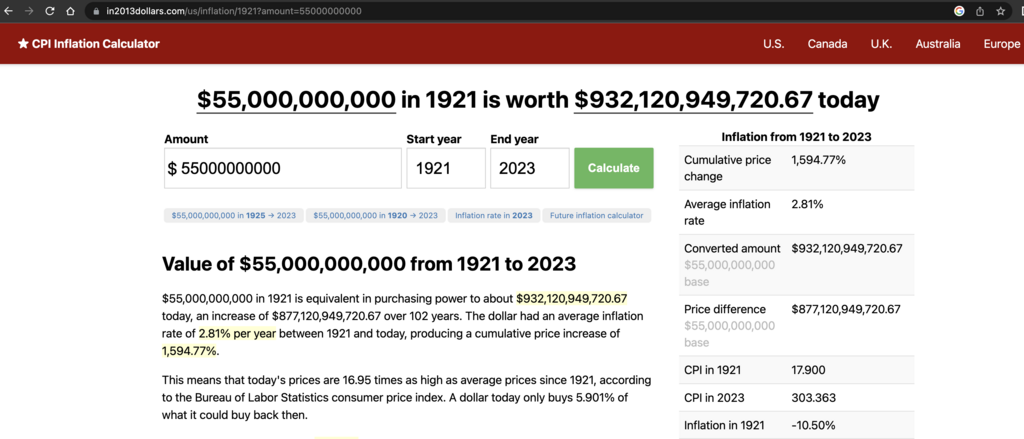
The most direct effect of inflation on your life is its impact on your purchasing power. Purchasing power is the amount of goods and services you can buy with a unit of currency. As inflation rises, your purchasing power falls.
Inflation erodes the value of your savings. The cash you've tucked away buys less and less each year.
This means that if you have $100 today, it will buy you fewer groceries, less gas, and a smaller portion of a new phone next year, assuming prices have increased. Your income might stay the same, but your ability to purchase things with it shrinks. This is especially challenging for people on fixed incomes, like retirees, whose earnings don't increase to keep pace with rising prices.
Inflation and the Economy
Beyond individual wallets, inflation has broader effects on the economy. A small, predictable amount of inflation is generally considered healthy. It can encourage people to spend and invest rather than hoard cash (which would lose value), stimulating economic activity.
However, high or unpredictable inflation creates uncertainty. Businesses may delay investing because they can't predict future costs and profits. Consumers may rush to buy things now before prices rise even further, creating artificial demand and worsening the problem. It can also distort the value of assets and make it difficult for anyone to plan for the future, from a family saving for college to a company planning a new factory.
Understanding the basics of inflation is the first step toward navigating its effects. It's a fundamental force that shapes financial decisions for individuals, businesses, and governments alike.