Infinity Bio Autoantibody Testing Explained
Introduction to Autoantibodies
When the Body Attacks Itself
Your immune system works like a highly trained security force, constantly patrolling your body for invaders like viruses and bacteria. A key part of this force is antibodies, which are specialized proteins. Their job is to identify and neutralize foreign threats.
Normally, antibodies are excellent at distinguishing between 'self' (your own cells) and 'non-self' (invaders). But sometimes, this recognition system breaks down. The immune system can mistakenly produce antibodies that target the body's own healthy cells, tissues, or organs. These are called autoantibodies.
Autoantibodies are antibodies that have turned against the body they are supposed to protect, leading to a state of 'friendly fire' against oneself.
The Roots of Autoimmune Disease
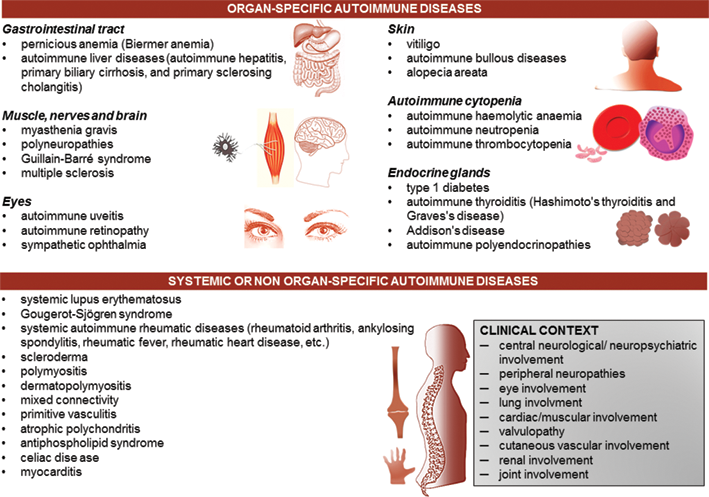
When autoantibodies launch an attack, they can cause inflammation and damage, leading to a wide range of conditions known as autoimmune diseases. The specific disease depends entirely on what the autoantibodies are targeting.
If autoantibodies attack the pancreas, it can lead to type 1 diabetes. If they target proteins in the skin and joints, it might result in lupus. There are over 80 different types of autoimmune diseases, each linked to a specific self-targeting immune response.
Clues in the Blood
Because autoantibodies are often the culprits behind these diseases, they can also serve as valuable clues for doctors. Think of them as fingerprints left at the scene of a crime. By identifying specific autoantibodies in a person's blood, physicians can diagnose an autoimmune disease, sometimes even before major symptoms appear.
These molecular clues are known as biomarkers. A biomarker is a measurable indicator of a particular biological state or condition. The presence of certain autoantibodies is a strong biomarker for autoimmunity.
How Autoantibody Testing Works
So, how do we find these microscopic fingerprints? The general process of autoantibody testing involves taking a sample of a patient's blood and exposing it to specific, known proteins from human cells (antigens).
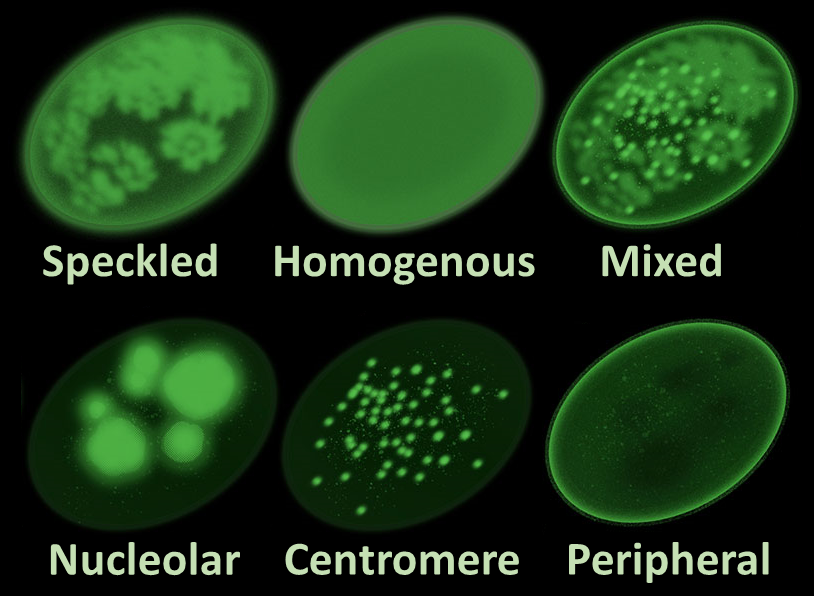
If the patient's blood contains autoantibodies for a particular protein, they will bind to it. This binding event can then be detected using various laboratory techniques, often involving fluorescent tags or chemical reactions that produce a measurable signal. A positive result confirms the presence of the autoantibody, helping to piece together a diagnosis.
Let's test your understanding of these core concepts.
What is the primary role of antibodies in a healthy immune system?
What is the defining characteristic of an autoantibody?
Understanding these fundamentals about what autoantibodies are and how they are detected is the first step in exploring the advanced ways we can analyze the immune system.