INEE Education in Emergencies
Introduction to Education in Emergencies
School During a Storm
When a crisis hits—whether it's a natural disaster, a conflict, or a health pandemic—life is turned upside down. Homes might be lost, families separated, and the future uncertain. In the middle of all this chaos, what happens to school? That's where Education in Emergencies, or EiE, comes in. It’s the practice of providing quality learning opportunities for all ages in situations of crisis.
But EiE is more than just books and lessons. It's a lifeline. For children and youth, a safe learning space provides a sense of normalcy and routine when everything else is unpredictable. It’s a place where they can be with their friends, play, and just be kids. School protects them from the dangers of their environment, like recruitment into armed groups or child labor. It also equips them with life-saving knowledge, such as hygiene practices during a disease outbreak or how to stay safe during a conflict.
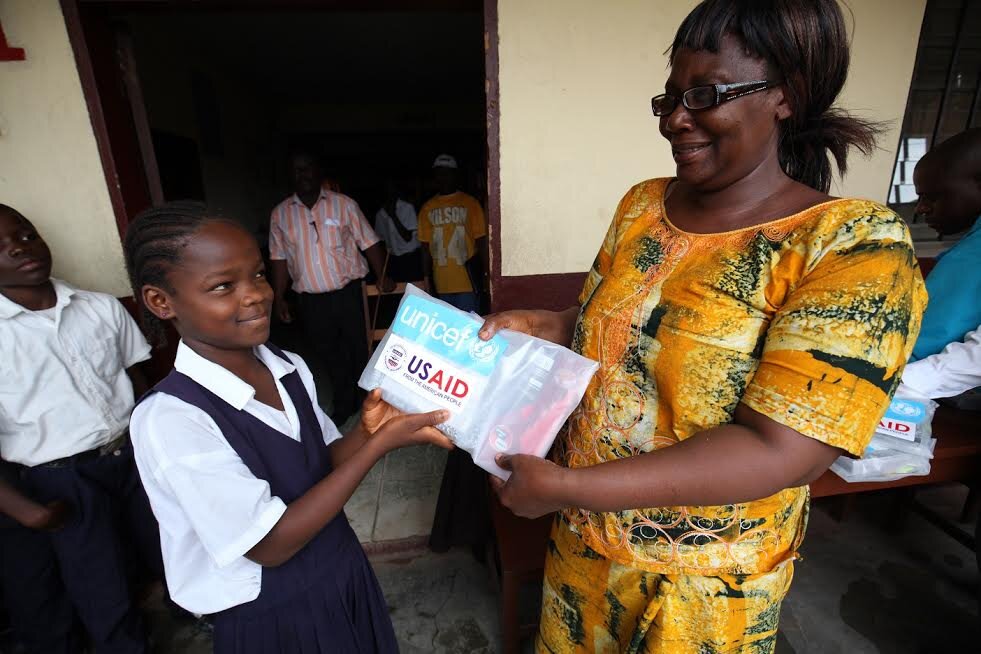
A Global Need
The need for education in emergencies is immense. Around the world, millions of school-aged children are affected by crises that disrupt their education. These are not just numbers; they represent entire generations at risk of losing their future. When a child's education is interrupted, the effects can last a lifetime, impacting their personal development and the long-term recovery of their communities.
Without education, a crisis can define a child's entire life. With it, they have a chance to define their own future.
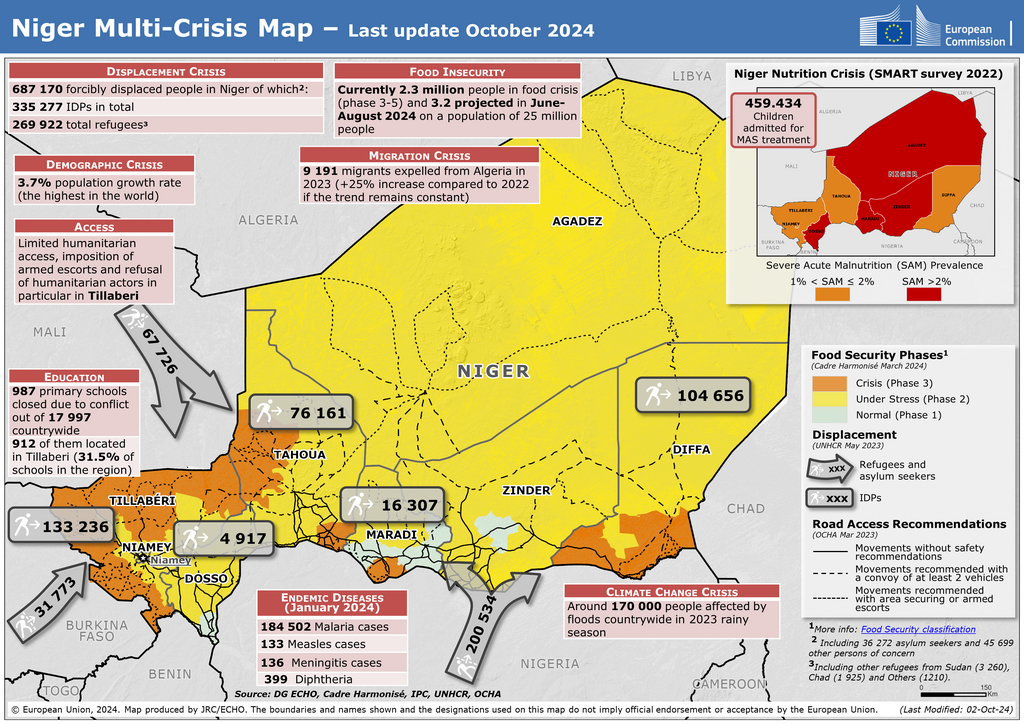
The Challenges
Providing education in the midst of a crisis is incredibly difficult. One of the biggest hurdles is funding. Education is often underfunded in humanitarian appeals, seen as less urgent than food, water, or shelter. Yet, families affected by crisis consistently rank education as a top priority.
Safety is another major concern. Schools may be damaged or destroyed, or they might be used as shelters for displaced families. Students and teachers often face significant dangers just traveling to and from learning spaces. Furthermore, there's often a severe shortage of trained teachers, as many are displaced or affected by the crisis themselves. Finding safe spaces, sourcing learning materials, and adapting curricula to fit the situation are all significant challenges that must be overcome.
Let's check your understanding of these core concepts.
What is the primary goal of Education in Emergencies (EiE)?
According to the text, which of the following is a key protective role of EiE for children?
Understanding these foundations is the first step in recognizing why organized, rapid educational response is a critical part of all humanitarian efforts.