Industrial Projects Purchasing
Industrial Procurement Fundamentals
What Is Industrial Procurement?
Think about building something massive, like a new factory or a power plant. You can't just run to the store for parts. You need specialized machinery, raw materials, and expert services, all delivered at the right time and to exact specifications. This complex buying process is called industrial procurement.
Procurement refers to the process of acquiring goods, services, or works from external sources.
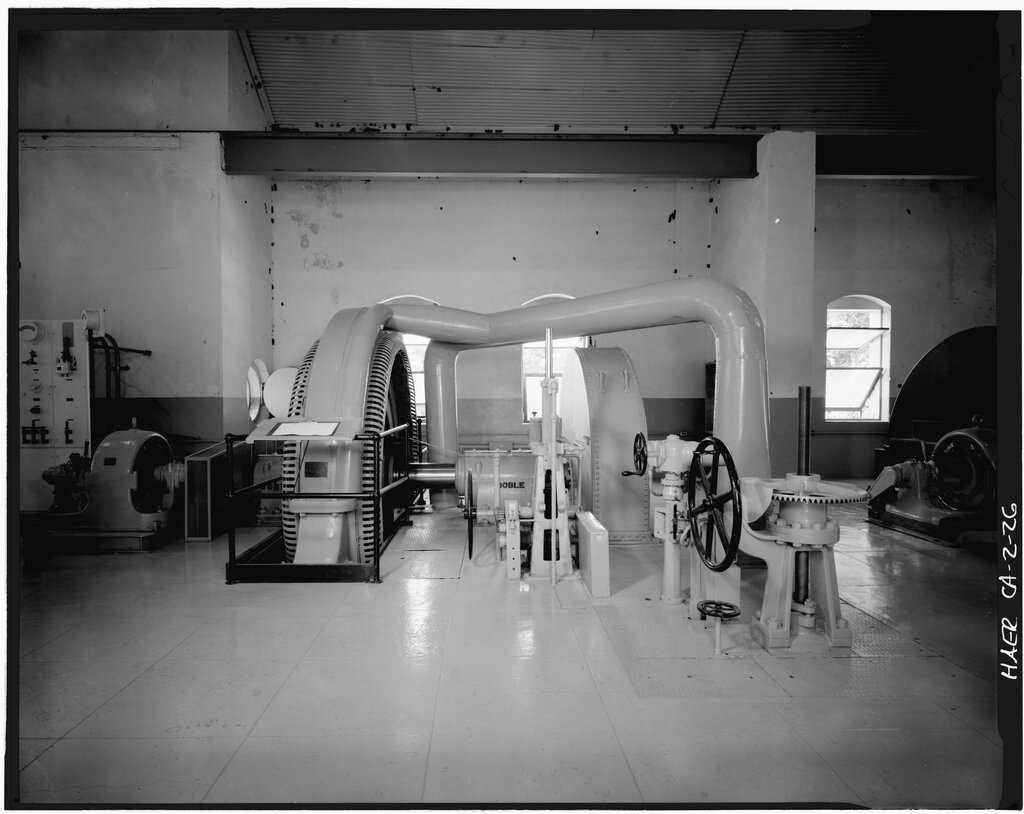
Unlike consumer purchasing, industrial procurement operates on a huge scale. It involves sourcing everything from giant turbines and robotic arms to the concrete for the foundation. It's the essential first step in the supply chain that turns a blueprint into a functioning industrial facility. The scope is broad, covering not just physical goods but also contracting for construction, engineering, and logistical services.
The Goals of Procurement
A common misconception is that procurement is all about finding the lowest price. While cost is important, the real goal is to achieve the best overall value for the project. An industrial purchaser juggles several competing priorities to make sure the project succeeds.
| Objective | Why It Matters |
|---|---|
| Cost-Effectiveness | Balances price and quality for the best long-term value. |
| Quality | Ensures materials and equipment meet strict standards to prevent failures. |
| Timeliness | Guarantees that supplies arrive on schedule to avoid costly project delays. |
| Risk Management | Protects the project from supply chain disruptions and supplier issues. |
Imagine a critical pump for a chemical plant arrives a month late. The entire construction schedule is thrown off, costing thousands of dollars each day in idle labor and equipment. Or what if a cheaper steel beam is purchased, but it fails to meet safety specifications? The cost of rework and the potential for accidents far outweigh the initial savings. Good procurement prevents these kinds of disasters by balancing all four objectives.
A Day in the Life of a Purchaser
The industrial projects purchaser is the person at the center of this process. Their role is a blend of analyst, negotiator, and relationship manager. They work closely with engineers to understand the technical requirements for a project. Then, they dive into the market to find potential suppliers who can meet those needs.
Their responsibilities don't end once an order is placed. They continuously monitor supplier performance, track shipments, and ensure that what arrives on-site is exactly what was ordered. They are the primary point of contact for resolving any issues, from a damaged delivery to a discrepancy in an invoice. In essence, they are the guardians of the project's supply chain.
Essential Procurement Skills
To succeed, a procurement professional needs a unique mix of hard and soft skills. Technical knowledge is important, but people skills are what truly set great purchasers apart.
Effective procurement professionals must be strong negotiators, strategic thinkers, and expert relationship builders.
Here's a breakdown of the core competencies:
-
Negotiation: This isn't just about haggling over price. It's about working with suppliers to create agreements that benefit both sides, covering terms, delivery schedules, and quality guarantees.
-
Strategic Thinking: A good purchaser sees the big picture. They understand how a single purchase fits into the overall project goals and how market trends might impact future supply.
-
Supplier Relationship Management: Building strong, collaborative relationships with key suppliers is crucial. A trusted supplier is more likely to provide better service, offer innovative solutions, and help out in a crisis.
-
Analytical Skills: They must be able to analyze bids, compare costs, and interpret data to make informed decisions. This includes understanding total cost of ownership, not just the sticker price.
These skills work together to ensure the procurement process adds value to the company, making it more efficient, resilient, and profitable.
What is the primary goal of an industrial procurement professional when managing a large-scale project?
The role of an industrial projects purchaser is best described as a blend of analyst, negotiator, and ______.
By mastering these fundamentals, procurement teams become a strategic asset, laying the groundwork for successful industrial projects.