Industrial Piping Systems Explained
Introduction to Industrial Piping Systems
The Arteries of Industry
Think of a large industrial plant like a living organism. Just as our bodies have a circulatory system to move blood, industrial facilities rely on a network of pipes to transport essential materials. This network is known as an industrial piping system.
An industrial piping system is an engineered network of pipes, fittings, and valves used to transport fluids—such as liquids, gases, or slurries—safely and efficiently between different points in a facility.
These systems are the unsung heroes of modern industry. They move everything from crude oil and natural gas to steam, water, and chemicals. Without them, large-scale manufacturing, power generation, and resource processing would be impossible. The primary goal is always to move materials from point A to point B with the right pressure, temperature, and flow rate, all while ensuring safety and reliability.
Where Piping Systems Work
Piping systems are fundamental to countless industries. In the oil and gas sector, massive pipelines transport crude oil from extraction sites to refineries. Within the refinery itself, a complex web of pipes moves materials through various processing units to create gasoline, diesel, and other petroleum products.
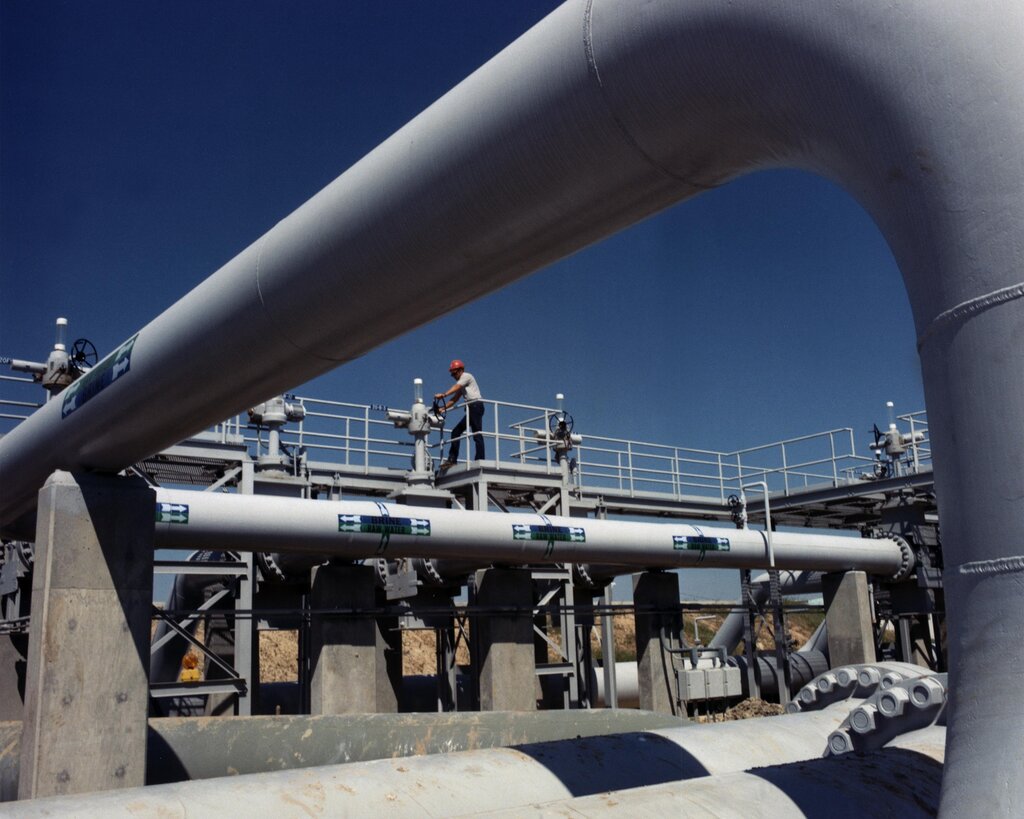
Chemical processing plants use piping systems to handle everything from raw ingredients to finished chemical products. These systems must often withstand corrosive materials and extreme temperatures, making their design critical for safe operation.
In power generation, piping is key. In a typical thermal power plant, pipes carry high-pressure steam from a boiler to a turbine, causing it to spin and generate electricity. Another set of pipes then circulates cooling water to condense the steam back into water so the cycle can repeat.
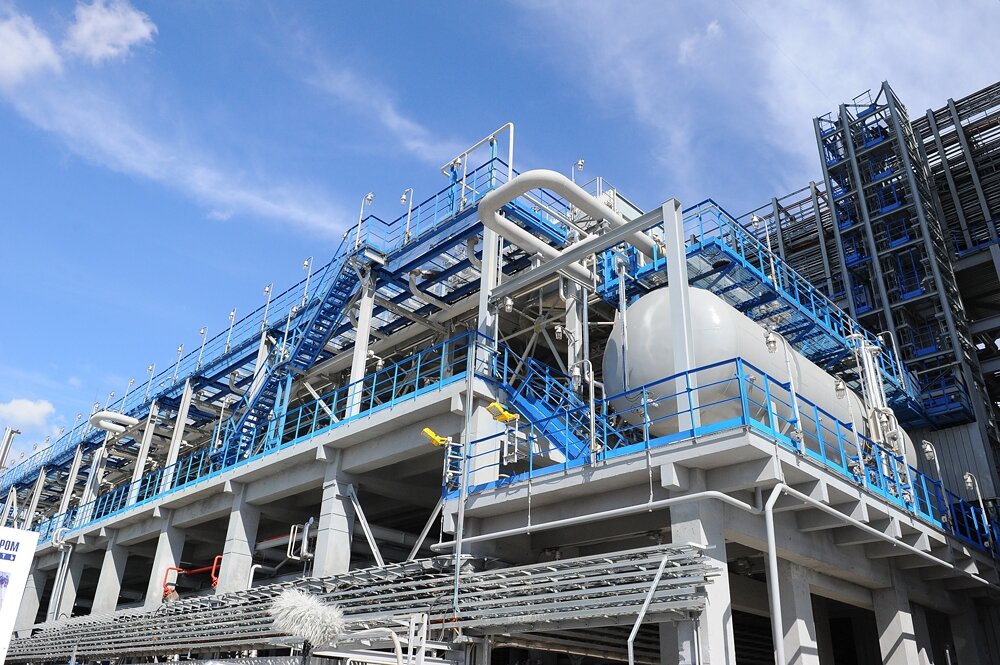
You'll also find extensive piping in water treatment facilities, food and beverage manufacturing, and pharmaceutical production. Essentially, any industry that needs to move fluids on a large scale relies on these vital systems.
The Building Blocks
Every piping system is built from a few core components, each with a specific job to do.
Pipe
noun
A hollow tube or cylinder used to convey fluids.
Pipes form the main pathways of the system. But fluids rarely travel in a straight line. That's where fittings come in.
To control the movement of fluid, systems use valves. A valve is a mechanical device that can start, stop, or regulate the flow. Think of it like a faucet on a sink, but built for industrial demands. Finally, supports are used to hold the pipes in place, securing them to ceilings, walls, or the ground and bearing their weight.
Governing Principles
Designing a piping system isn't as simple as just connecting tubes. Engineers must consider fundamental principles of fluid dynamics to ensure the system works correctly.
Flow rate is the volume of fluid that passes through the system in a given amount of time. It's often measured in gallons per minute or cubic meters per second. The required flow rate dictates the necessary pipe diameter. A wider pipe allows for a higher flow rate, while a narrower one restricts it.
A simple rule of thumb: for a constant flow rate, a smaller pipe diameter means the fluid must move faster.
Pressure is the force the fluid exerts on the pipe walls. Systems are designed to operate within a specific pressure range. Too little pressure, and the fluid might not reach its destination. Too much, and the pipe could burst. Engineers calculate the expected pressure drops caused by friction as the fluid moves through long pipes and around bends.
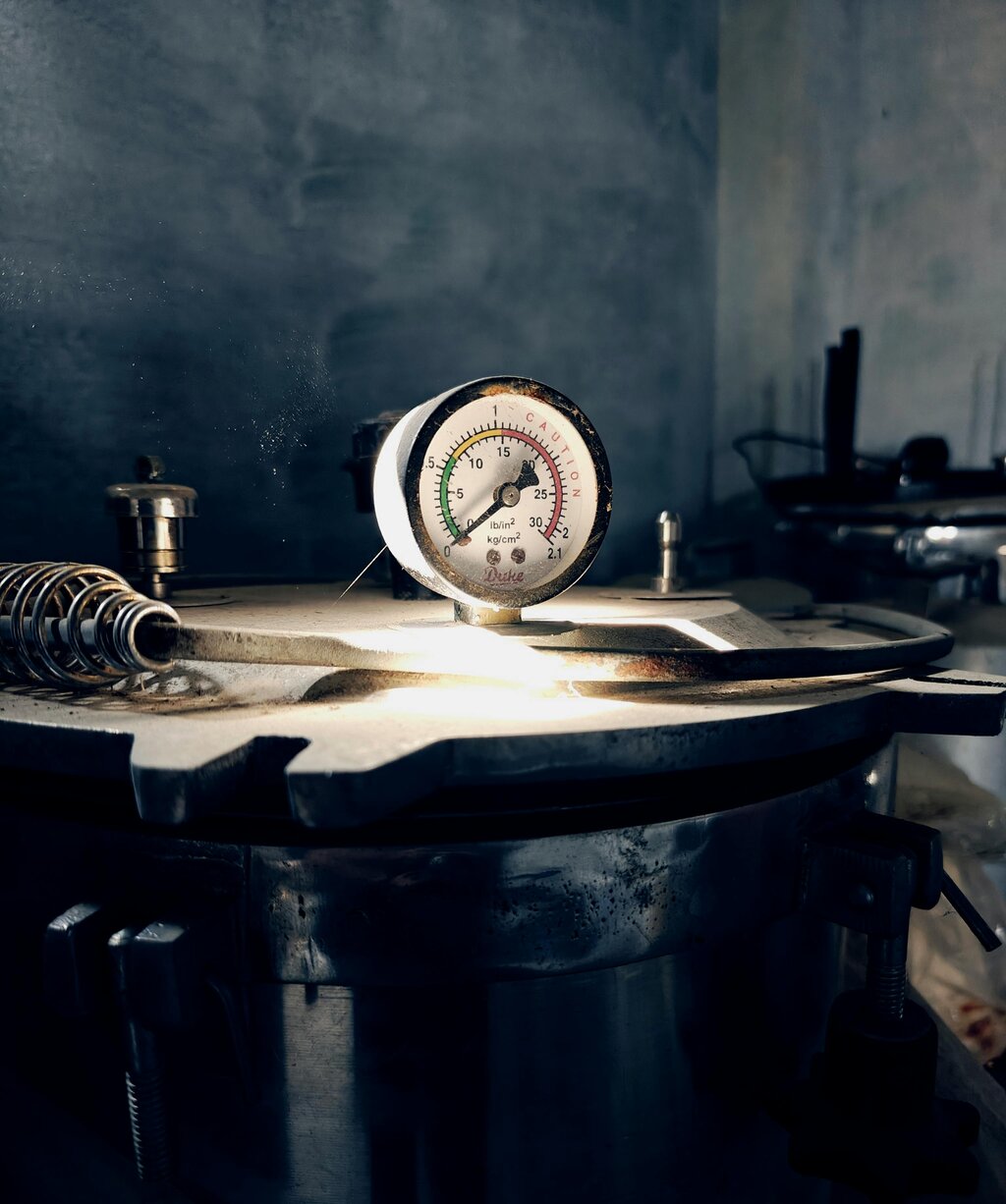
These concepts are interconnected. Changing the pipe diameter affects both the fluid's velocity and the pressure loss due to friction. Getting this balance right is key to creating an efficient and safe piping system.
What is the primary function of an industrial piping system?
Which component is specifically designed to start, stop, or regulate the flow of fluid within a pipe?
These components and principles form the foundation of industrial piping, enabling the complex processes that power our world.