Industrial Management and Safety Essentials
Introduction to Industrial Management
What is Industrial Management?
Industrial management is the art and science of making a factory or production plant run smoothly. Think of it like conducting an orchestra. A conductor doesn't play every instrument, but they ensure all the musicians work together to create a beautiful symphony. In a factory, the manager is the conductor, and the “musicians” are the people, machines, materials, and processes.
The scope goes far beyond just overseeing an assembly line. It involves planning the entire production process, managing resources like materials and energy, organizing teams, and leading people to meet their goals. It's about looking at the entire system and finding ways to make all the moving parts work together more effectively.
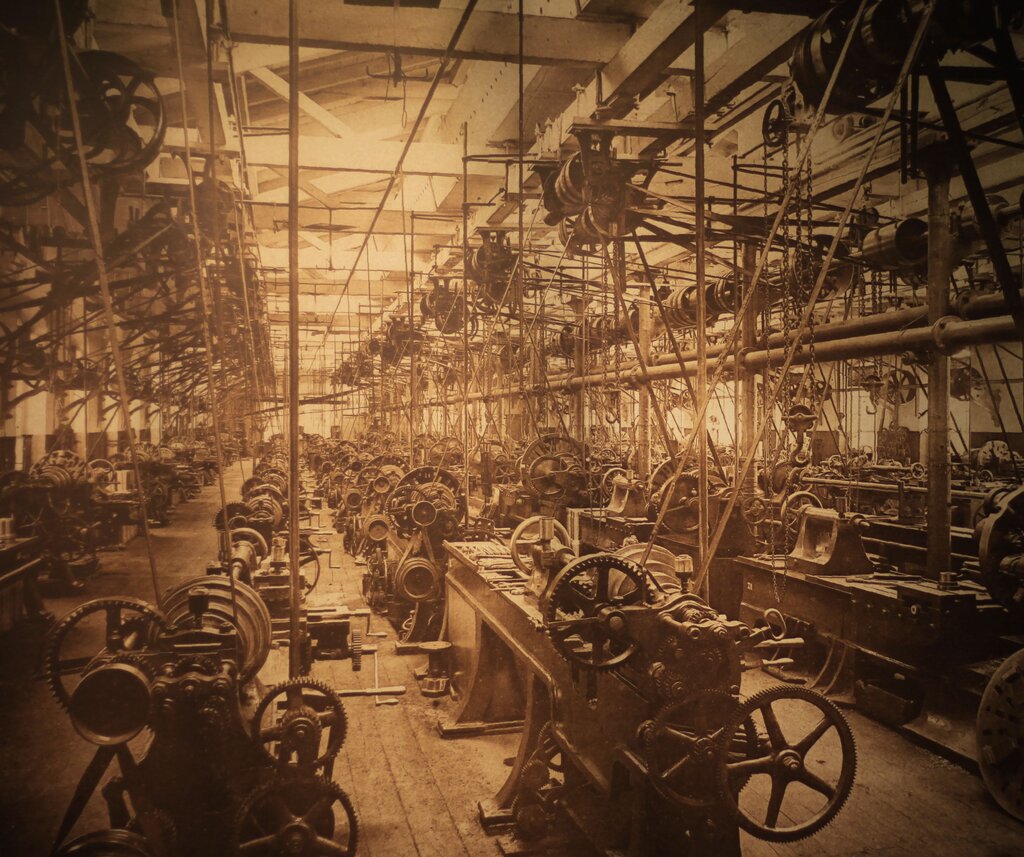
The Two Core Goals
At its heart, industrial management chases two critical goals that are deeply intertwined: efficiency and safety.
Operational efficiency is about maximizing output while minimizing input. In other words, it’s about doing more with less. This could mean reorganizing a workspace to reduce wasted motion, upgrading equipment to produce goods faster, or refining a process to use fewer raw materials. The result is lower costs, higher productivity, and a stronger business.
Safety is the other side of the same coin. A workplace filled with hazards is never truly efficient. Accidents cause downtime, damage equipment, and, most importantly, harm people. A core principle of modern industrial management is that a safe workplace is a productive workplace. When workers feel secure, they can focus on their tasks without fear of injury.
An efficient factory is a safe factory, and a safe factory is an efficient one. The two goals support each other completely.
Managing and Preventing Hazards
A manager's role isn't just to react to problems but to prevent them from happening in the first place. This is especially true when it comes to safety. Effective industrial management involves proactively identifying potential hazards and controlling the risks they pose.
To do this, managers often use a framework called the Hierarchy of Controls. It prioritizes safety strategies from most to least effective, guiding decision-making to create the safest possible environment.
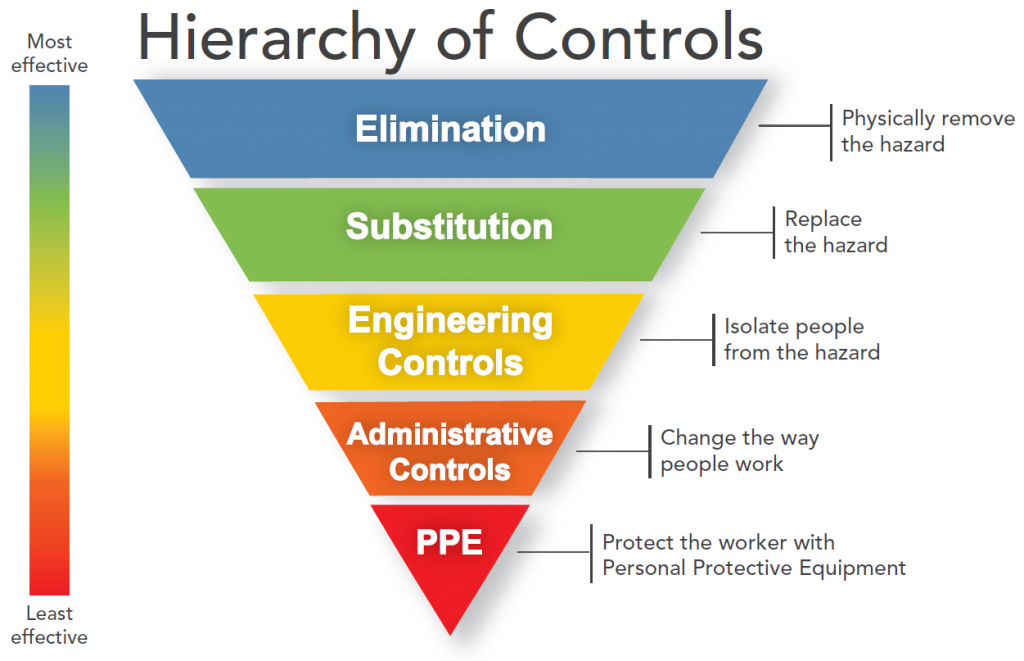
Here’s how it works, from most effective to least:
- Elimination: The best solution is to physically remove the hazard altogether. If a process uses a toxic chemical, can you find a new process that doesn't need it?
- Substitution: If you can't eliminate the hazard, replace it with something safer. For example, using a less toxic cleaning agent.
- Engineering Controls: This involves isolating people from the hazard. Think of machine guards, soundproof enclosures, or ventilation systems that remove harmful fumes from the air.
- Administrative Controls: These are changes to the way people work. Examples include limiting the amount of time a worker spends on a hazardous task, providing extra training, or adding warning signs.
- Personal Protective Equipment (PPE): This is the last line of defense. If a hazard can't be controlled in any other way, workers are given equipment like gloves, safety glasses, or hard hats. It protects the individual but doesn’t remove the underlying hazard.
While safety is a moral obligation, it's also regulated by law. Government bodies like the Occupational Safety and Health Administration (OSHA) in the United States set and enforce safety standards. These regulations provide a baseline for workplace safety, covering everything from machine guarding to hazard communication. A key part of a manager's job is to ensure the company not only meets but exceeds these legal requirements.
What is the primary role of an industrial manager, as described by the orchestra analogy?
At its heart, industrial management aims to maximize ______ while ensuring a safe working environment.