Industrial Food Sector Prospecting
Industrial Supply Chains
Follow the Product
To understand the industrial supply chain, you have to trace the journey of a product from its origin to the end consumer. For food, this journey is often a race against time, especially for perishable goods. The entire system of refrigerated warehouses, specialized trucks, and temperature-controlled processing plants is designed to manage this journey. This network is known as the cold chain logistics network.
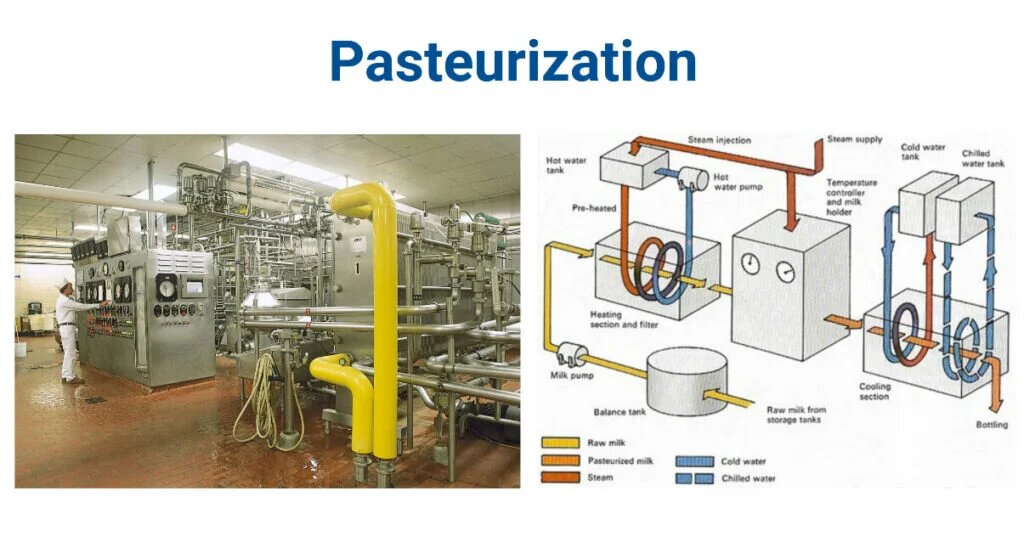
Every link in this chain, from the farm to a processing facility, then to a distribution hub and finally to a store or restaurant, is a potential pressure point. A failure at any stage—a broken freezer, a delayed truck—can result in spoiled goods and significant financial loss. This makes companies heavily dependent on reliable equipment and services. Understanding these pressure points reveals where opportunities lie for external solutions, whether it's more efficient refrigeration technology, better logistics software, or advanced processing machinery.
Processors vs. Distributors
Within the food supply chain, it's important to distinguish between two key players: industrial processors and food service distributors. While they both handle food, their roles and operational needs are distinct.
| Feature | Industrial Food Processor | Food Service Distributor |
|---|---|---|
| Primary Role | Transforms raw agricultural products into finished or semi-finished goods (e.g., turning tomatoes into sauce). | Buys products from various processors and manufacturers to sell and deliver to food service outlets (e.g., restaurants, hospitals). |
| Core Operation | Manufacturing and transformation. | Logistics, warehousing, and fulfillment. |
| Key Infrastructure | Large-scale production lines, specialized machinery (cookers, freezers, packaging equipment). | Massive regional warehouses, fleets of refrigerated trucks, advanced inventory management systems. |
| Customer Base | Food service distributors, large retailers, other manufacturers. | Restaurants, hotels, schools, cafeterias, catering companies. |
An industrial processor is a manufacturer. They take raw ingredients and change their form. A food service distributor, on the other hand, is a logistics specialist. They aggregate products from hundreds of processors and provide a one-stop-shop for their customers. For example, a restaurant doesn't buy its flour from a mill, its beef from a slaughterhouse, and its vegetables from a farm; it buys all of it from a single distributor.
Integration and Seasonality
Some large companies handle multiple stages of the supply chain themselves through a strategy called . A poultry company might own the farms, the feed mills, the processing plants, and even the trucking fleet that delivers the final product. This gives them immense control over quality and cost, but it also increases their internal complexity and the need for robust infrastructure at every step.
Agriculture is inherently seasonal. Wheat is harvested in the summer, apples in the fall. This creates massive swings in volume for processors and storage facilities. A fruit processor may run three shifts a day during the harvest season and then scale back dramatically for the rest of the year. This variability puts immense strain on logistics. It requires enormous storage capacity, often refrigerated, to hold raw materials and finished goods, ensuring a steady supply to the market year-round.
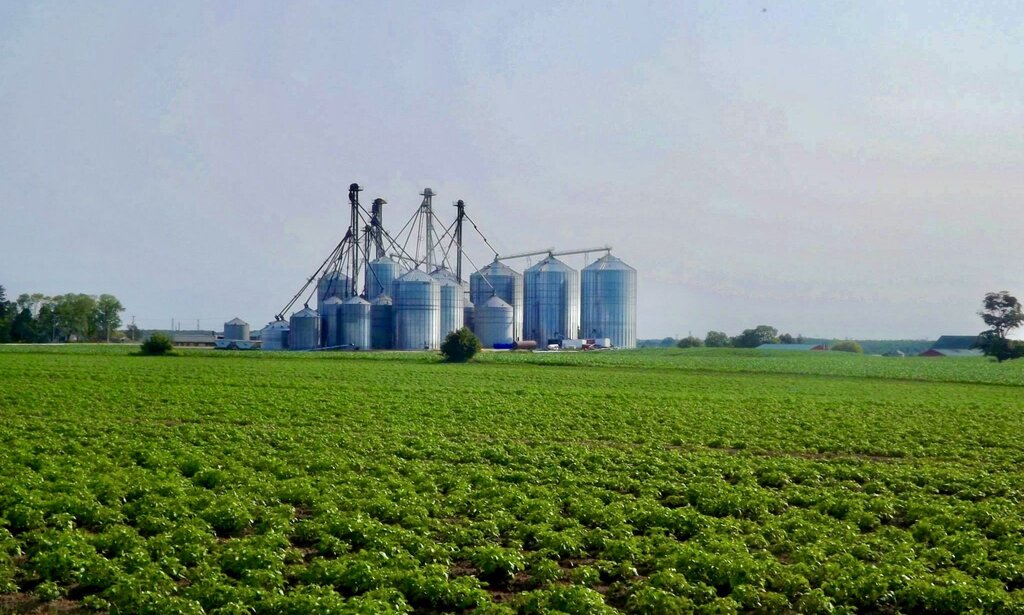
This seasonal rush is a critical time for prospecting. Companies are most aware of their bottlenecks and equipment shortcomings when they are running at peak capacity. A freezer that's 'good enough' during the slow season might become a critical failure point when the warehouse is packed to the ceiling.
Supply chain resilience isn't just about surviving a crisis; it's about building a system that can absorb seasonal peaks and adapt to market shifts without breaking.
To achieve this, many companies employ redundancy strategies. This might mean having backup power generators for a cold storage facility, multiple suppliers for a critical ingredient, or contracts with several third-party logistics (3PL) providers to handle overflow during peak season. Each of these strategies represents a need that can be filled by an outside vendor.
Now, let's test your understanding of these supply chain dynamics.
What is the term for the specialized supply chain network that includes refrigerated warehouses, trucks, and processing plants for perishable goods?
A company that takes raw ingredients like wheat and turns them into flour is best described as a(n)...
By following the product's journey and understanding the specific roles and pressures at each stage, you can more effectively identify where a company's needs and your solutions align.