Indoor Rock Climbing Essentials
Introduction to Indoor Rock Climbing
Two Ways to Climb
Walk into any climbing gym and you'll see two main styles of climbing: bouldering and top-roping. They offer different experiences and require slightly different approaches.
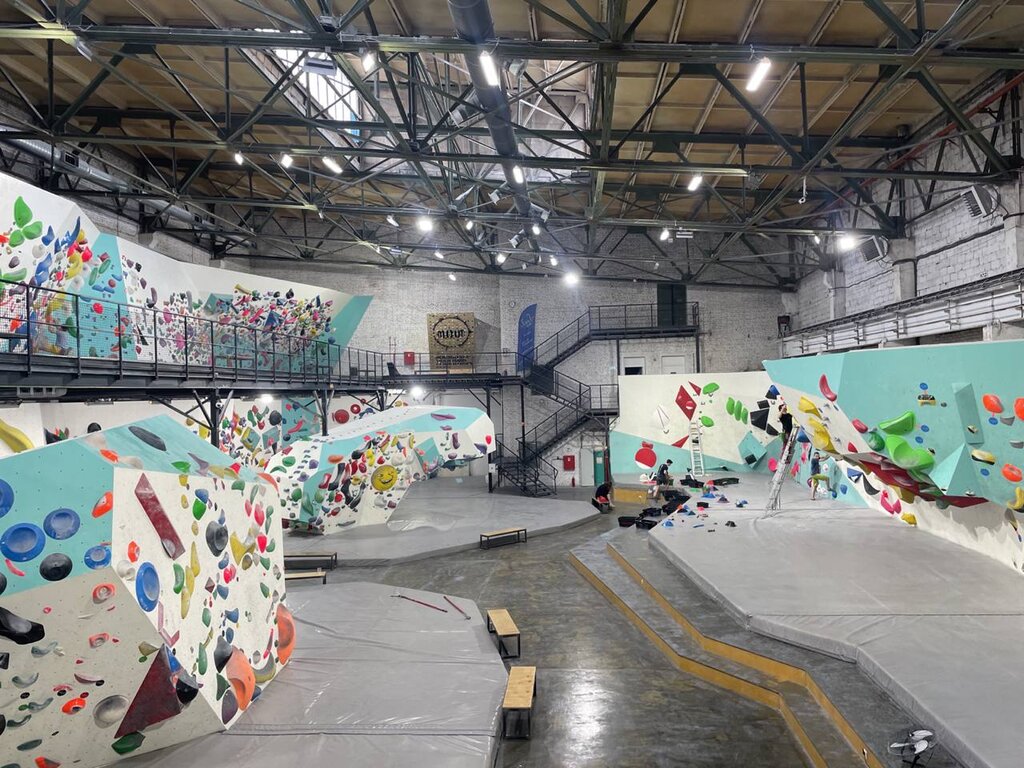
Bouldering involves climbing on shorter walls, typically no more than 15 feet high, without using ropes or harnesses. The floor below is covered in thick padding called crash pads to cushion your fall. Bouldering routes are called "problems," and they often feel like physical puzzles, requiring powerful, precise movements to solve in just a few moves.
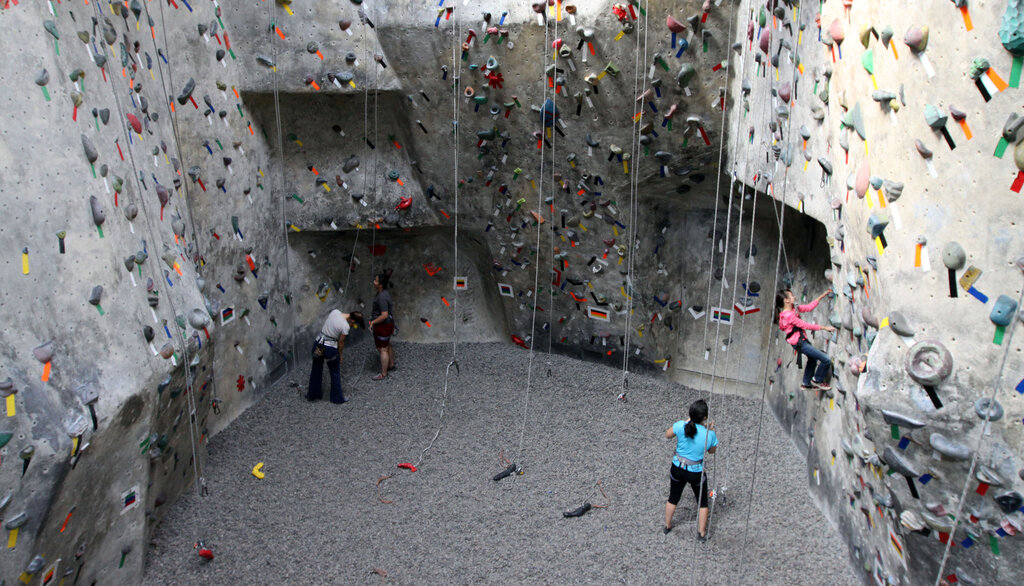
Top-rope climbing, or top-roping, is what most people picture when they think of rock climbing. You'll climb much taller walls, sometimes 40 feet or more, while securely attached to a rope. The rope runs from your harness up to an anchor at the top of the wall and back down to a partner on the ground called a "belayer."
The belayer manages the rope, catching you if you fall and lowering you gently back to the ground when you're done. This style focuses more on endurance and navigating a longer sequence of moves.
Gearing Up
You don't need much to start, but the right gear makes a huge difference. Most gyms offer rental packages, which is a great way to try things out before you buy.
Whether you're indoor climbing—or pulling on plastic, as traditionalists like to say—or going outside to climb on rock, you'll need some gear to get started.
The most important piece of equipment is a good pair of climbing shoes. They're designed to be snug, allowing you to use your feet with precision on tiny holds. The special sticky rubber on the soles provides far more grip than a regular sneaker.
A harness is essential for top-rope climbing. This is what you wear that connects you safely to the rope. It has a secure waist belt and leg loops, designed to distribute your weight comfortably if you fall or when you're being lowered.
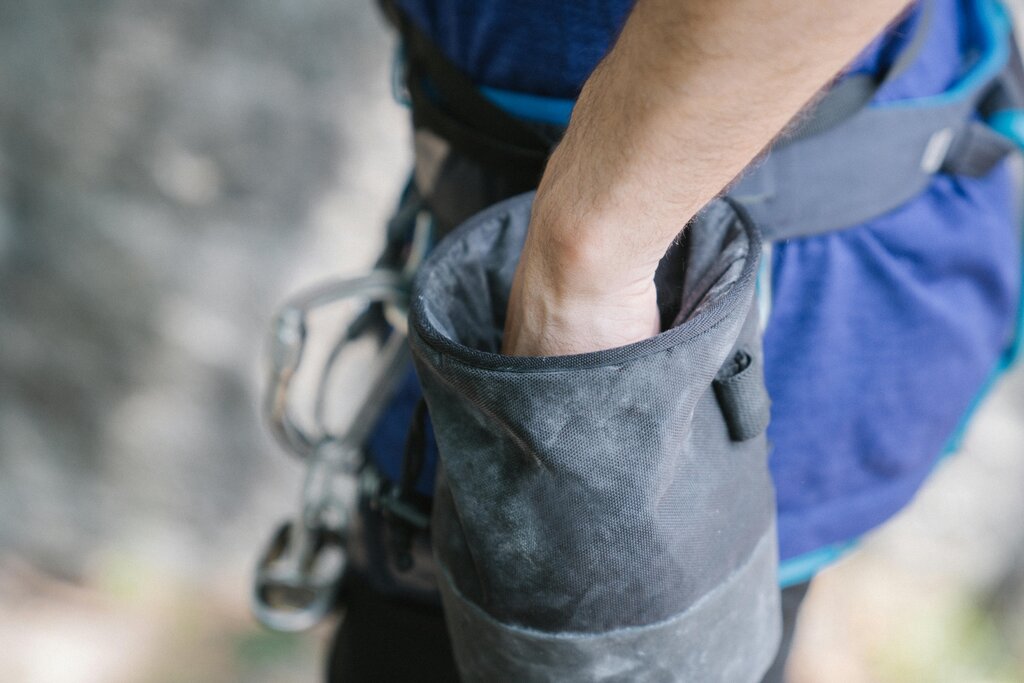
Finally, there's chalk. Climbers use powdered chalk, usually made of magnesium carbonate, to keep their hands dry. Dry hands mean better grip and less slipping off the holds. You'll see climbers carrying it in small chalk bags clipped to their harnesses or sitting on the floor.
What's with the Numbers?
Climbing routes are given a grade to indicate their difficulty. This helps you find climbs that are appropriate for your skill level. In the U.S., you'll primarily see two grading systems in the gym.
For bouldering, gyms use the V-Scale. It starts at V0 (easiest) and goes up from there (V1, V2, etc.). For top-roping, they use the Yosemite Decimal System (YDS). The routes you'll be climbing start with a "5." and are followed by another number, like 5.6 or 5.7. The higher the second number, the harder the climb. A 5.10 is significantly harder than a 5.7.
To make things even easier, most gyms color-code their routes. All the holds for a specific route will be the same color. A sign at the start of the route will tell you its grade.
| System | Sample Grade (Easier) | Sample Grade (Harder) | Used For |
|---|---|---|---|
| V-Scale | V0, V1 | V7, V8 | Bouldering |
| YDS | 5.6, 5.7 | 5.11, 5.12 | Top-Roping |
Playing Well with Others
Climbing gyms are shared spaces, and following a few simple rules keeps everyone safe and happy. The most important rule is to be aware of your surroundings. Before you start climbing, and especially before you fall or jump down, look below to make sure no one is underneath you.
Never walk or stand directly underneath someone who is climbing. Give them space.
Keep the fall zones clear. Don't leave your water bottle, phone, or other gear on the crash pads where people might land on them. When you're resting between climbs, find a spot off the mats so you're not in the way.
Finally, be respectful of other climbers. Wait your turn for a popular route and avoid offering unsolicited advice, often called "beta," unless someone asks for it. Part of the fun is figuring out the puzzle for yourself.
What is the primary safety equipment used in bouldering to protect a climber from a fall?
A climber is looking for a difficult bouldering route. Which of the following grades represents the most challenging climb?
Understanding these basics will help you walk into a climbing gym with confidence. Now you're ready to get on the wall.