Indoor Plant Care Essentials
Plant Selection
Read Your Light
Before you even think about buying a plant, you need to understand the most critical resource in your home: light. Plants are powered by light, and the amount you have will be the single biggest factor in your success. A plant that needs tons of sun will slowly starve in a dark corner, no matter how much you water it.
Spend a day observing the light in the spots where you want to place a plant. Does direct sun hit the floor? For how many hours? Is it a gentle morning light or a harsh afternoon glare? The direction your windows face is a great clue:
- South-facing windows get the most intense, direct light for the longest period. This is prime real estate for sun-loving plants.
- East-facing windows receive bright, direct morning light that's less harsh than afternoon sun.
- West-facing windows get strong, direct afternoon and evening sun, which can be very hot and intense.
- North-facing windows offer the least light. It’s consistent and indirect, but never direct.
A simple way to test your light is the shadow test. On a bright day, hold your hand a foot away from the wall. A sharp, clearly defined shadow means you have bright, direct light. A softer, fuzzier shadow indicates bright, indirect light. A very faint, barely visible shadow means you have low light.
Match the Plant to the Light
Once you know what kind of light you have, you can start looking for plants that will thrive in it. Plant labels use specific terms to describe their needs. Understanding them is key.
| Light Level | Description | Good For... |
|---|---|---|
| Bright, Direct | At least 4-6 hours of direct sunbeams. | Cacti, succulents, Bird of Paradise |
| Bright, Indirect | Fills a room but doesn't hit the plant directly for long. | Monstera, Fiddle Leaf Fig, Pothos |
| Medium | Somewhere in between. Can tolerate some shade or less intense direct light. | Dracaena, Philodendron |
| Low | No direct sun. Bright enough to read a book comfortably. | Snake Plant, ZZ Plant, some ferns |
Most common houseplants fall into the “bright, indirect light” category. This is the kind of light you'd find a few feet away from an east-facing window or near a south-facing window that's partially blocked by a sheer curtain or a building.
Remember, low light does not mean no light. Every plant needs some light to photosynthesize. A windowless bathroom is not a suitable home for any plant without a dedicated grow light.
Think About Space
The tiny plant you buy at the nursery won't stay tiny forever. Always consider the plant's mature size. That cute little Fiddle Leaf Fig could hit your ceiling in a few years. Read the plant tag to find out its potential height and spread.
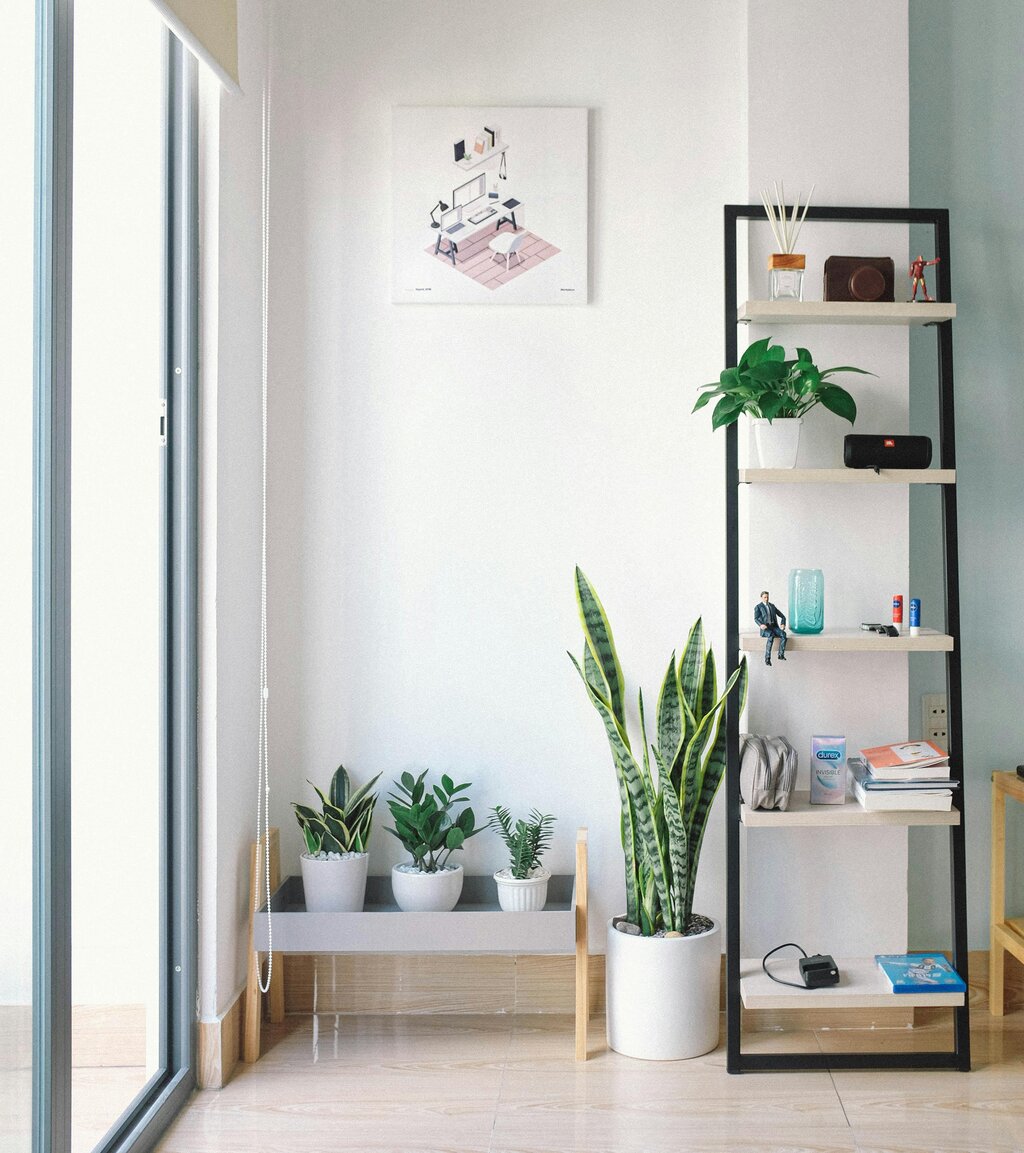
Also, consider how the plant grows. Does it vine, like a Pothos or Philodendron? These are great for hanging baskets or shelves where their trails can cascade down. Does it grow upright, like a Snake Plant? These are perfect for tight corners. Or does it grow into a bushy shape, like a Calathea, needing more horizontal space?
Choosing the right plant is all about observation and matching. Look at your light, measure your space, and then find a plant that fits those conditions. It's a simple formula that sets you up for success from the start.
The “right plant, right place” principle, where plants with similar needs for light, water, and nutrients are grouped together and selected based on the local climate and soil conditions, is a fundamental strategy for successful horticultural practices.
Now let's review the key ideas for selecting the perfect plant for your home.
Ready to test your knowledge?
What is the single most critical factor to consider for a plant's success in your home?
You have a spot that gets several hours of intense, direct sun in the late afternoon. Which direction does the window in that spot most likely face?