Indoor Gardening in Warm Climates
Introduction to Indoor Gardening
Your Indoor Garden
Growing plants indoors is more than just decorating. It’s a way to bring a piece of nature into your home. You can cultivate a small jungle on your windowsill or grow fresh herbs right in your kitchen. It’s a rewarding hobby that connects you to the natural world, even if you live in a city apartment.
The Benefits of Bringing Plants Inside
One of the biggest advantages of indoor gardening is control. You decide the environment. This means you can grow plants year-round, regardless of the weather outside. Craving fresh basil in the middle of winter? No problem. Want to enjoy blooming flowers while it’s snowing? You can do that.
Beyond having fresh produce or beautiful blooms, tending to plants can be a calming activity. It helps reduce stress and adds a sense of purpose to your daily routine. It's also a fantastic way to learn about nature firsthand. Watching a seed sprout and grow into a full plant is a simple but powerful experience.
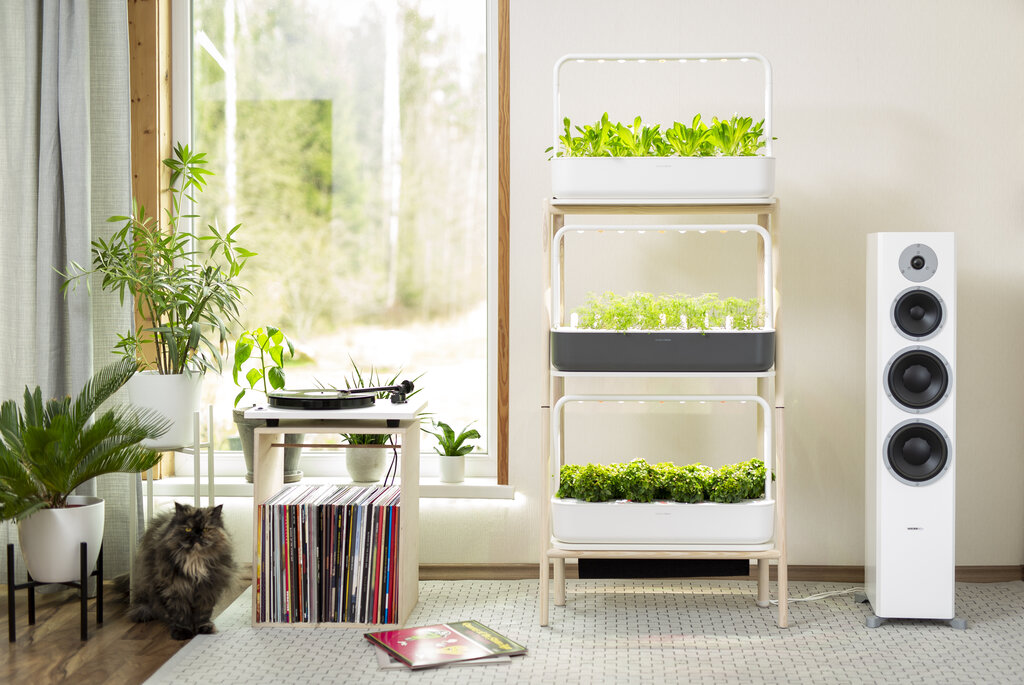
Common Hurdles to Overcome
While you have more control indoors, there are still challenges. The most common issue is light. Most homes don't get enough direct sunlight to keep sun-loving plants happy. You might need to find the sunniest spot in your house or consider supplemental lighting.
Watering is another tricky part. It’s easy to give your plants too much or too little water. Unlike outdoor gardens that have natural drainage, indoor pots can trap excess water, leading to root rot. Finding the right balance is key. Space can also be a limitation, forcing you to think creatively about how to fit plants into your living area.
The most common mistake new indoor gardeners make is overwatering. It's better to let the soil dry out a bit than to keep it constantly soaked.
Tips for Warm Climates
If you live in a warm climate, you'll face a unique set of considerations. Indoor temperatures can soar, especially near windows. A spot that gets gentle morning sun in a cooler climate might be scorching hot in a warmer one. You may need to move plants away from windows during the hottest part of the day or use sheer curtains to filter the intense light.
Humidity is another factor. High humidity can be great for tropical plants, but it can also encourage mold and fungal diseases. Good air circulation is essential. Using a small fan or opening windows can help keep the air moving and your plants healthy. You'll need to balance keeping your home cool with providing enough light and fresh air.
Understanding these fundamentals—the benefits, the challenges, and climate-specific needs—is the first step. With this foundation, you're ready to start thinking about what you want to grow.