Individual Tax Planning Strategies
Understanding Tax Fundamentals
Why Taxes Exist
Taxes are how we collectively pay for the society we live in. They are mandatory payments made to the government to fund public services and infrastructure. Without taxes, many of the essential services we rely on every day wouldn't be possible.
The most fundamental function of taxation is to fund public goods and services.
Think about your daily routine. The roads you drive on, the schools your children attend, the police and fire departments that keep your community safe—all are funded by tax dollars. So are national defense, public parks, and scientific research. In essence, taxes are the price of admission to a functioning society.
The Main Types of Taxes
Taxes come in many forms, but most people interact with three main types regularly.
Income Tax
noun
A tax levied on the income of individuals or businesses.
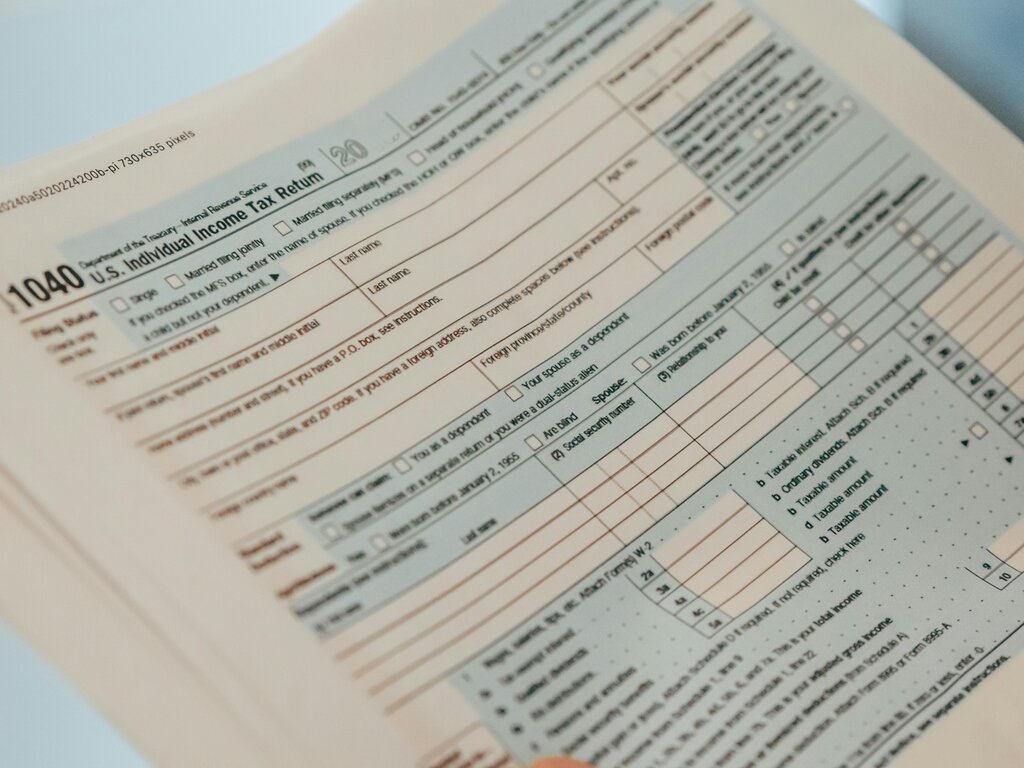
This is a tax on what you earn, whether it's from a job, investments, or other sources. The amount you pay is typically a percentage of your total income. Federal and most state governments collect income taxes to fund their operations.
Sales Tax
noun
A tax on the sale of goods and services.
This tax is added to the price of things you buy. It's collected by the seller at the point of sale and then passed on to the government. Sales tax rates vary by state and even by city, and they typically apply to a wide range of products and services, from clothes to car repairs.
Property Tax
noun
A tax paid on property owned by an individual or other legal entity.
This tax is based on the value of property you own, most commonly real estate like a house or land. Local governments, such as counties and cities, rely heavily on property taxes to fund local services like schools, libraries, and road maintenance.
| Tax Type | What It's Based On | Common Example |
|---|---|---|
| Income Tax | Money you earn | Your annual salary |
| Sales Tax | Goods and services you buy | The tax on a new pair of shoes |
| Property Tax | The value of property you own | The annual tax on your house |
What Makes a Good Tax System
Economists and policymakers generally agree that a good tax system should have a few key qualities. These principles help ensure the system works for everyone.
A good tax system should be simple, transparent, and fair.
Simplicity: The tax code should be easy for people to understand and comply with. A system that is too complex can be costly and time-consuming for taxpayers and the government. It can also create loopholes that allow some to avoid paying their share.
Transparency: Taxpayers should know what taxes they are paying and how that money is being used. When the process is clear, it builds trust in the government and helps hold officials accountable for how they spend public funds.
Fairness: The tax system should be equitable, meaning the burden is distributed fairly among the population. What constitutes "fair" is often debated. For some, it means everyone pays the same rate. For others, it means those with a greater ability to pay should contribute a higher percentage of their income. Regardless of the approach, the goal is a system that doesn't disproportionately burden any single group.
Now that you've got the basics down, let's review these key terms.
Ready to check your understanding?
What is the primary purpose of taxes?
When you purchase a new video game from a store, the extra amount added at the register is most likely a(n) ______ tax.
Understanding these core concepts is the first step toward navigating the world of taxes. They are the foundation upon which all tax planning is built.