Indie Horror Film to Box Office Blockbuster
Concept Development
Finding Your Fear
Every great horror film starts with a single, unsettling idea. But where do those ideas come from? They often bubble up from our own anxieties. What keeps you up at night? Is it the fear of being watched, the thought of losing control, or something more primal? Tapping into personal fears can make a story feel authentic and deeply disturbing.
Start with a unique and terrifying idea by tapping into personal and universal fears.
Universal fears are another rich source. Claustrophobia, the dark, fear of the unknown—these are anxieties that resonate with almost everyone. The most unique concepts often arise from combining a personal fear with a universal one, or by giving a fresh twist to an old legend or a piece of folklore.
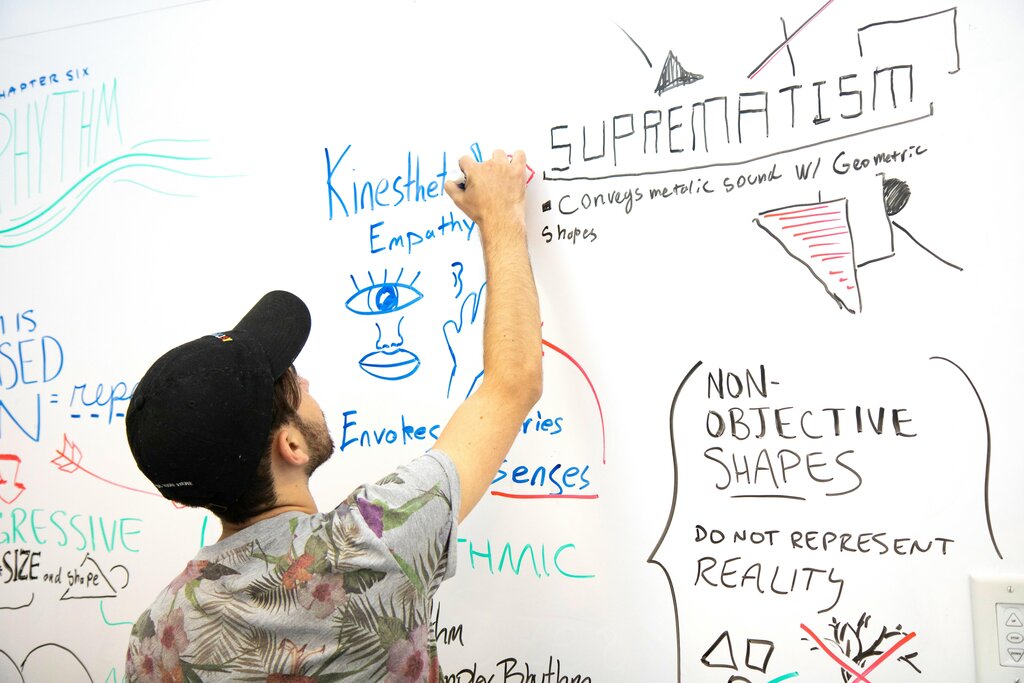
Brainstorming is about exploration. Fill a whiteboard, a notebook, or a document with questions. What if a common object had a sinister purpose? What if a familiar social ritual went horribly wrong? Don't censor yourself. The goal is to generate a volume of ideas, knowing that most won't make the cut. Look for the one that sparks genuine excitement and, more importantly, a little bit of dread.
Know Your Playground
Once you have a spark of an idea, you need to understand the landscape it will live in. The horror genre is vast, with many well-established subgenres. Each comes with its own set of rules, tropes, and audience expectations. Understanding these conventions is not about limiting creativity; it's about knowing the language of horror so you can speak it fluently—or deliberately break the rules for maximum impact.
| Subgenre | Core Element | Classic Example |
|---|---|---|
| Slasher | A killer stalks and murders a group of people, often with a signature weapon. | Halloween |
| Psychological | The horror stems from the characters' emotional and mental instability. | The Shining |
| Supernatural | Involves ghosts, demons, curses, or other forces beyond the natural world. | The Conjuring |
| Found Footage | The story is told through recovered video recordings. | The Blair Witch Project |
| Body Horror | Focuses on grotesque bodily mutilation, degeneration, or mutation. | The Fly |
| Creature Feature | The main antagonist is a non-human, often monstrous, being. | Alien |
Your concept might fit neatly into one of these boxes, or it might blend elements from several. A supernatural slasher? A psychological creature feature? Combining subgenres can lead to a fresh and unexpected experience for the audience. The key is to be intentional with your choices. If you're subverting a trope, make sure you understand it first.
Crafting a Compelling Narrative
A terrifying monster or a spooky setting isn't enough. The core of your concept is the story. At this stage, you're not writing a full script, but you are defining the narrative's foundation. It's about figuring out the what, the who, and the why. A strong concept can usually be distilled into a single, gripping sentence called a logline.
A good logline presents the protagonist, their goal, the central conflict, and the stakes. For example, the logline for A Quiet Place could be: "In a post-apocalyptic world, a family must live in silence to avoid mysterious creatures that hunt by sound."
This simple sentence clarifies the entire concept. It establishes the rules of the world, introduces the characters' primary struggle, and hints at the constant, life-or-death tension.
If you can't explain your film's concept in one or two compelling sentences, it might be too complicated or not yet fully formed.
Think about the emotional journey. What is the central question your story asks? Is it about survival, guilt, belief, or the darkness within human nature? A strong thematic core elevates a simple scare-fest into a memorable film that stays with the audience long after the credits roll.
Will Anyone Watch It?
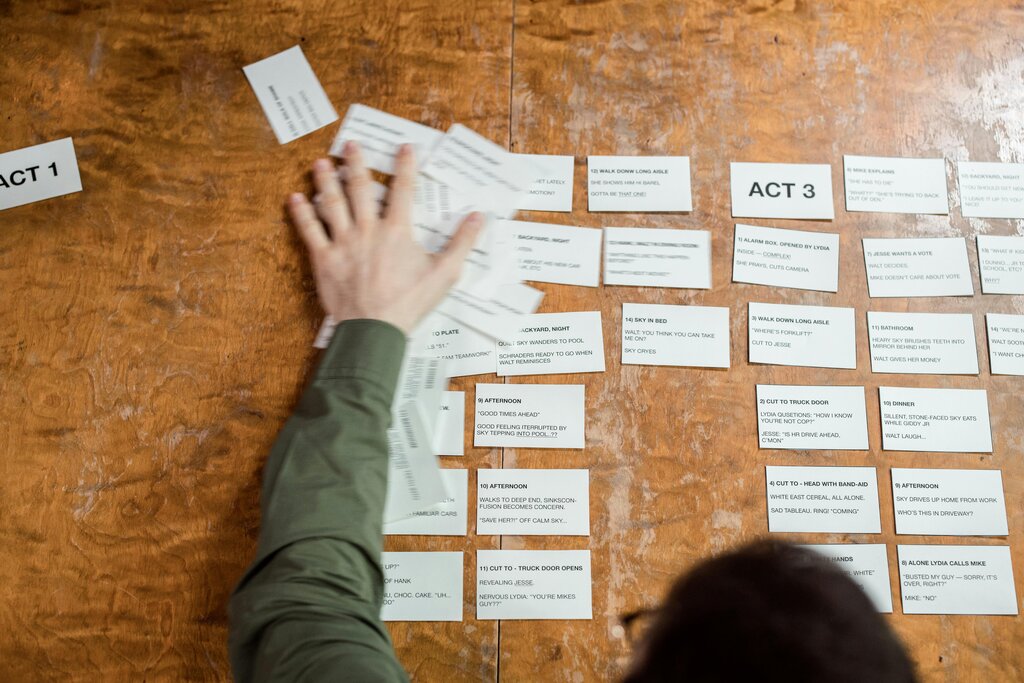
Horror has a dedicated and savvy audience. They know the genre inside and out, and they're always hungry for something new. Assessing audience appeal means finding the balance between familiarity and originality. Your concept needs to feel fresh, but it should also signal what kind of horror experience viewers can expect.
Research is your friend. Look at what's been successful recently in the indie horror space. What themes are resonating with audiences? Are there any subgenres that feel oversaturated? You can find this information by reading reviews, following horror news sites, and seeing what's trending on streaming platforms. This isn't about chasing trends, but about understanding the current conversation in the genre.
Your unique voice is your greatest asset, but that voice needs to speak a language the audience understands.
Finally, consider the scope of your idea versus the constraints of an indie film budget. A concept that requires extensive CGI, dozens of locations, and a large cast might be better suited for a studio. A story set in a single location with a small cast, on the other hand, is much more feasible for an independent production.
Great horror often thrives on limitations. A confined setting can amplify claustrophobia and tension. A monster that's hinted at but rarely seen can be far scarier than one created with an expensive special effect. During the concept stage, always ask: Can we realistically achieve this vision with the resources we're likely to have? Crafting a concept that is both creatively exciting and pragmatically achievable is the first major step toward making your film a reality.
Now, let's test your understanding of these core principles.
According to the text, what is often the most effective source for a deeply unsettling horror concept?
A strong logline should present the protagonist, their goal, the central conflict, and what else?
Developing a strong concept is the blueprint for your entire film. It’s the foundation upon which everything else—the script, the characters, the scares—will be built.