Indie Game Development Fundamentals
Game Conceptualization
From Spark to Concept
Every game, from a massive open-world adventure to a simple mobile puzzler, begins as a single spark of an idea. This initial phase, known as conceptualization, is where the foundation of the entire project is laid. It happens long before a single line of code is written or a pixel is drawn. It's about asking questions, exploring possibilities, and shaping a rough idea into a solid concept with potential.
The concept development phase is where ideas are born and evaluated.
Getting this stage right is crucial. A strong concept acts as a North Star for the entire development process, guiding decisions and keeping the project focused. It’s the difference between building a game with a clear purpose and getting lost in a sea of interesting but disconnected features.
Finding Your Big Idea
Ideas can come from anywhere: a dream, a favorite movie, a walk in the park, or even a frustrating experience with another game. The key is to create a space where these sparks can catch fire. Don't censor yourself during this stage. The goal is quantity over quality.
Try different brainstorming techniques. You could create a mind map, starting with a central theme and branching out with related concepts. You could also try combining two completely different genres. What would a rhythm-based cooking game look like? Or a detective game set in a fantasy world?
Another powerful method is asking "what if?" What if gravity worked differently? What if plants were the dominant species? These questions can lead you down unexpected and innovative paths.
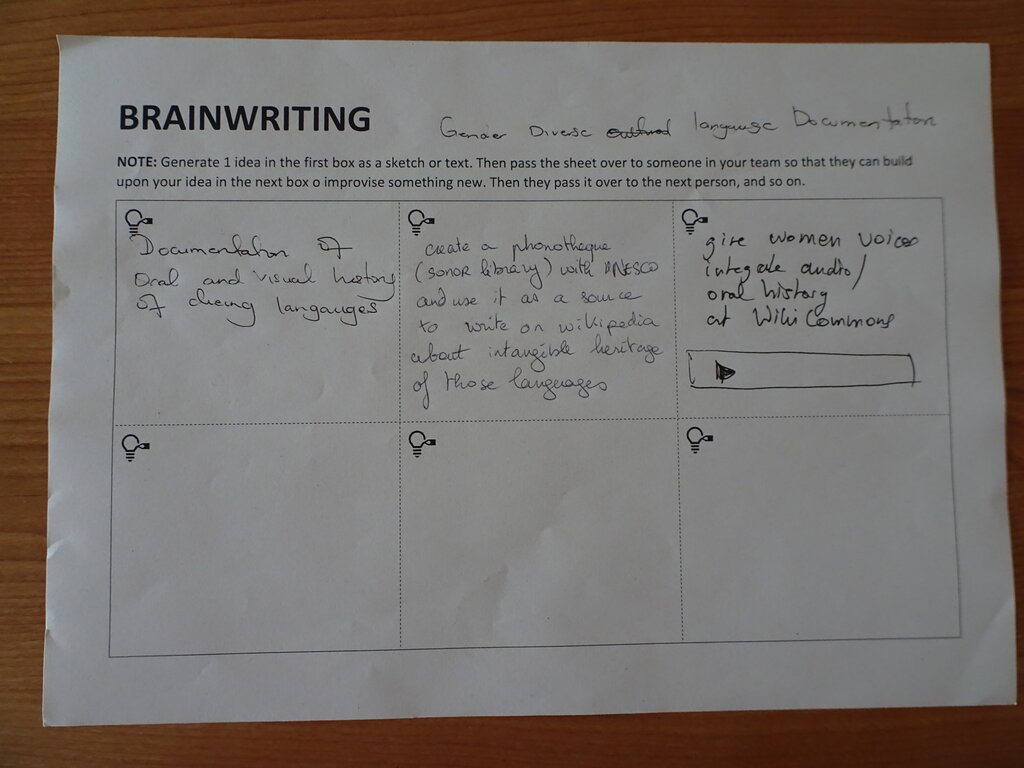
Once you have a list of ideas, you can start to sift through them. Which ones excite you the most? A game takes a long time to make, so your own passion is a critical ingredient. Which ideas feel fresh and unique?
Gameplay and Audience
With a promising idea in hand, you need to define two things: who you're making the game for, and what they will do in it.
First, consider your target audience. You can't make a game for everyone. Are you targeting hardcore strategy fans who love complex systems, or casual players looking for a relaxing five-minute experience on their phone? Knowing your audience helps you make key decisions about difficulty, art style, and complexity.
Next, define the core gameplay mechanics. This is the fundamental action the player repeats throughout the game. Think of it as the game's verb. In Super Mario Bros., the verb is "jump." In Tetris, it's "rotate and place." This core mechanic is the heart of the player's experience. It should be enjoyable on its own and connect directly to the game's overall theme.
A related concept is the gameplay loop. This is the sequence of actions players perform over and over. A simple loop might be: see an enemy, defeat the enemy, get a reward. A well-designed loop is satisfying and keeps players engaged.
A strong core mechanic is easy to learn but offers depth and mastery over time.
Making Your Game Stand Out
The game market is crowded. To get noticed, your game needs a unique selling point (USP). This is what makes your game different from everything else out there. Your USP could be an innovative mechanic, a breathtaking art style, a deeply moving story, or a unique combination of familiar genres.
Ask yourself: what is the one thing people will tell their friends about my game? The answer is often your USP.
Finally, you must be realistic. This means evaluating the feasibility of your project. Do you have the skills, time, and resources to bring this idea to life? An indie developer working alone probably shouldn't try to build a massive multiplayer online game as their first project. Starting with a smaller, more manageable scope is always a better strategy.
Start Small: Opt for a simple game with a few mechanics to understand the development cycle.
It also helps to be aware of market trends, not to blindly copy them, but to understand the context your game will be released into. What are players currently excited about? Are there any underserved niches? Positioning your unique idea within or even against current trends can be a powerful way to find an audience.
This entire conceptualization process is iterative. You'll cycle through ideas, refine your mechanics, and adjust your scope. It’s a crucial first step that turns a fleeting thought into a viable plan for a game you can actually build.
Let's review the key ideas from this first step in game development.
What is the primary purpose of defining a "core gameplay mechanic" during the conceptualization phase?
During the initial brainstorming stage of game conceptualization, the primary goal is to focus on the quality of ideas, not the quantity.