Indian Used Truck Business Models
Ecosystem and Market Segments
A Market in Motion
The Indian commercial vehicle (CV) market is undergoing a significant transformation. It's not just growing; it's restructuring from the ground up. Historically dominated by a sprawling, unorganised network of local brokers and informal deals, the used truck market is rapidly shifting towards a more structured, organised ecosystem. This isn't a minor change—the organised segment is expanding at a compound annual growth rate (CAGR) of 4.3% and is already valued at over $2.1 billion.
This shift brings transparency and reliability to a traditionally opaque market. Organised players offer certified vehicles, financing options, and after-sales support, which were rare in the past. This formalisation is a direct response to the evolving needs of India's economy.
This market is experiencing rapid transformation, fueled by infrastructure upgrades, the boom in e-commerce, increasing emphasis on fleet electrification, and the integration of advanced technologies.
Light vs. Heavy Haulers
The demand within the CV market is splitting along two distinct lines, each driven by different economic forces: Light Commercial Vehicles (LCVs) and Heavy-Duty Trucks (HCVs).
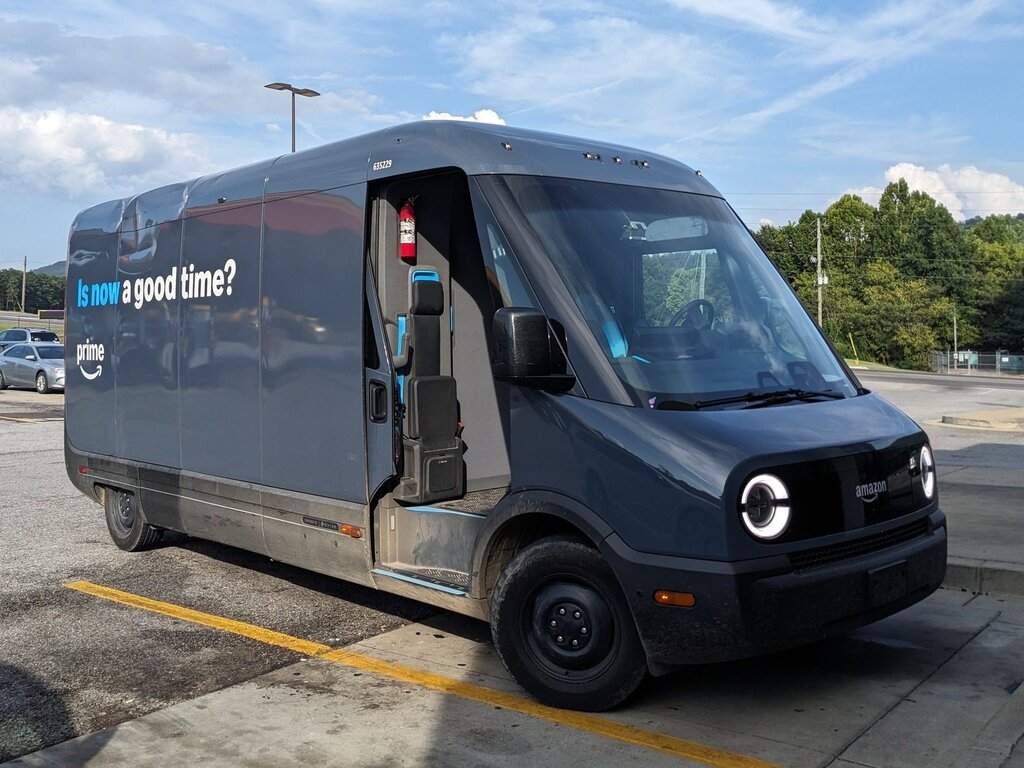
LCVs are the workhorses of urban logistics. Their dominance is directly tied to the explosion of e-commerce. As online shopping becomes the norm, the need for efficient last-mile delivery has skyrocketed. LCVs are perfectly suited for navigating congested city streets to bring packages from local warehouses to your doorstep. Their agility and lower operating costs make them indispensable for companies competing on delivery speed.
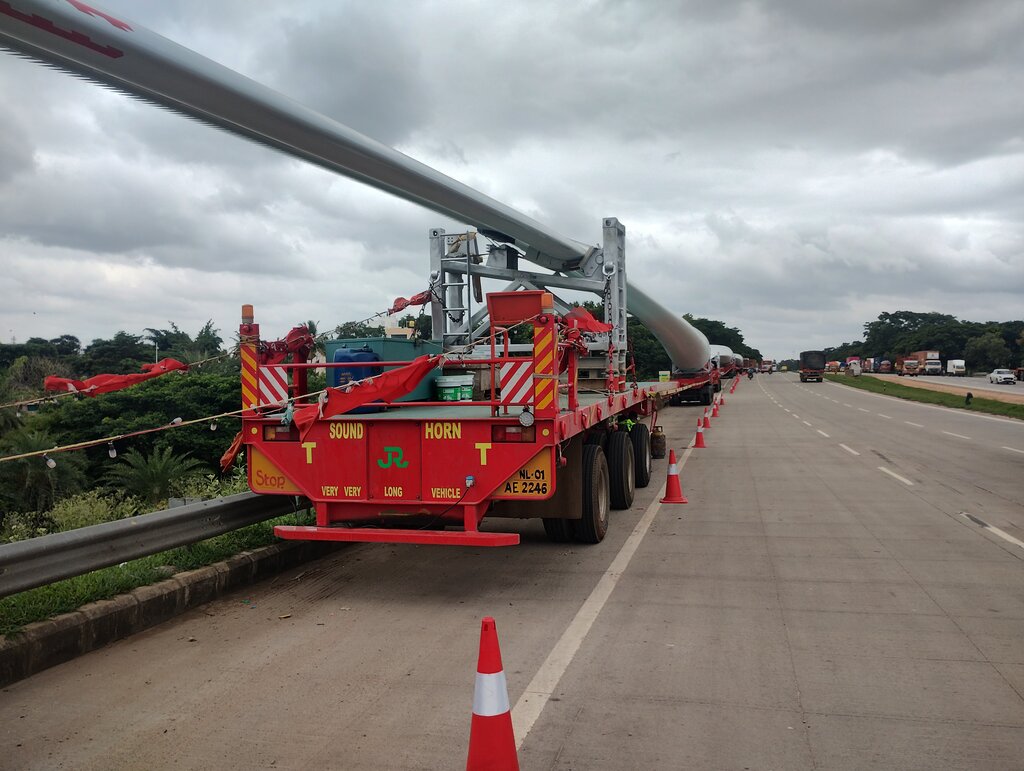
On the other end of the spectrum are the HCVs. These are the giants of the road, including powerful multi-axle trucks. Their demand is fueled by India's massive infrastructure push. Building new highways, bridges, and factories requires transporting immense quantities of raw materials like steel, cement, and machinery over long distances. HCVs provide the muscle for this nationwide development.
Policies and Pollution Norms
Government policy is also shaping the market's new structure. The National Logistics Policy (NLP) is a key driver, aiming to streamline the country's logistics network. For the used CV market, the NLP encourages standardisation in vehicle trading, promoting digital platforms and creating a more unified national market. This reduces complexities and makes it easier for businesses to buy and sell vehicles across state lines.
| Region | Market Share | Primary Drivers |
|---|---|---|
| North India | ~35% | Agriculture, Manufacturing, FMCG |
| South & West India | ~45% | IT, Auto Industry, Port-led activity |
| East India | ~20% | Mining, Steel, Infrastructure Projects |
Simultaneously, a major technological shift is underway with the introduction of Bharat Stage VI (BS-VI) emission norms. As new trucks must comply with these stricter environmental standards, the second-hand market is seeing a gradual influx of pre-owned .
This transition has a direct impact on resale values. While newer BS-VI trucks offer better fuel efficiency and lower emissions, their higher maintenance complexity can be a concern for some second-hand buyers. Meanwhile, well-maintained BS-IV vehicles remain in high demand, creating a dynamic pricing environment where vehicle condition, age, and emission compliance all play a crucial role.
What is the primary driver behind the growing demand for Light Commercial Vehicles (LCVs) in India?
Which government policy is mentioned as a key factor in standardising the used commercial vehicle market and promoting digital platforms?
The Indian CV market is a complex ecosystem where economic booms, government policies, and technological shifts intersect, creating a landscape rich with opportunity and change.