Indian Railway Wagon Overhauling Explained
Introduction to Wagon Maintenance
Keeping the Wheels Turning
A freight wagon is a workhorse. It travels thousands of kilometers across the country, carrying everything from coal to cars. Just like any vehicle that works this hard, it needs regular check-ups to stay safe and reliable. This process is called wagon maintenance.
Think of it like servicing your car. You don't wait for the engine to fail before you get an oil change. Instead, you follow a schedule to catch small problems before they become big ones. For Indian Railways, with its massive fleet of over 250,000 wagons, this scheduled maintenance is critical. It ensures that goods are delivered on time and that the entire network runs smoothly and safely.
A Schedule for Health
Wagons don't get sent to the workshop randomly. They follow a strict, time-based schedule of check-ups. These checks vary in intensity, from a quick look-over to a complete disassembly. The three main types are Periodic Overhauling (POH), Routine Overhauling (ROH), and Intermediate Overhauling (IOH).
Periodic Overhauling (POH) is the most intensive check-up a wagon receives. It's a complete strip-down and rebuild.
Routine Overhauling (ROH) is a less comprehensive but more frequent check. It's designed to address wear and tear that happens during regular operation. For some specialized wagons, like those carrying petroleum products, there's also an Intermediate Overhaul (IOH) that falls between an ROH and a POH.
| Schedule Type | Frequency | Purpose |
|---|---|---|
| Routine Overhaul (ROH) | Every 18-24 months | Addresses regular wear and tear. |
| Intermediate Overhaul (IOH) | Every 3 years | A more detailed check for specific wagon types. |
| Periodic Overhauling (POH) | Every 6 years | Complete disassembly and inspection of all parts. |
The exact schedule depends on the wagon's design and what it carries. For example, a BOXN wagon, which commonly carries coal, gets its first POH after 6 years, and subsequent ones every 4.5 years. This careful planning ensures every wagon gets the attention it needs, right when it needs it.
The Wagon Hospital
So where does all this work happen? It takes place in specialized railway workshops, which are like giant hospitals for trains. When a wagon's scheduled overhaul is due, it's taken out of service and sent to one of these facilities.
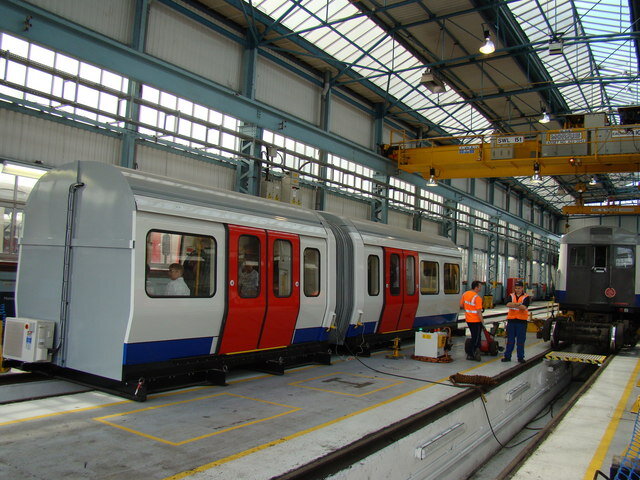
Inside the workshop, the wagon is lifted off its wheels (called bogies). Every single component, from the braking system to the couplers that connect it to other wagons, is removed, cleaned, and inspected for defects. Worn-out parts are repaired or replaced. The wagon's body is checked for corrosion and damage, then repaired and repainted. After everything is reassembled, the wagon is thoroughly tested before being certified as fit to return to service.
A successful overhaul resets the wagon's health, making it as good as new for its next period of service.
This systematic approach has a huge impact on the railway's performance. By proactively maintaining its wagons, Indian Railways prevents sudden breakdowns, which can cause major delays and disrupt supply chains. Well-maintained wagons are more reliable, safer, and can carry loads more efficiently, which is good for both the railways and the economy.
Let's review the key terms we've covered.
Ready to test your knowledge?
What is the primary purpose of scheduled freight wagon maintenance for Indian Railways?
In the context of wagon maintenance, what does 'POH' stand for?
In short, wagon maintenance is a planned, systematic process that forms the backbone of efficient freight operations. It's the unseen work that ensures the country's vital goods keep moving.