Indian PSU Classifications Explained
Introduction to Indian PSUs
What Are PSUs?
A Public Sector Undertaking, or PSU, is a company owned by the government. The central government, a state government, or a mix of both must hold at least a 51% stake. Think of them as businesses run on behalf of the public.
Their primary goal isn't just to make a profit. PSUs are established to develop crucial sectors of the economy like energy, transportation, and heavy industry. They build the infrastructure that a country needs to grow, from power plants to railways. They also aim to ensure that essential goods and services are available to citizens at reasonable prices.
In short, PSUs are government-owned enterprises tasked with driving economic growth and serving the public interest.
A Look Back in Time
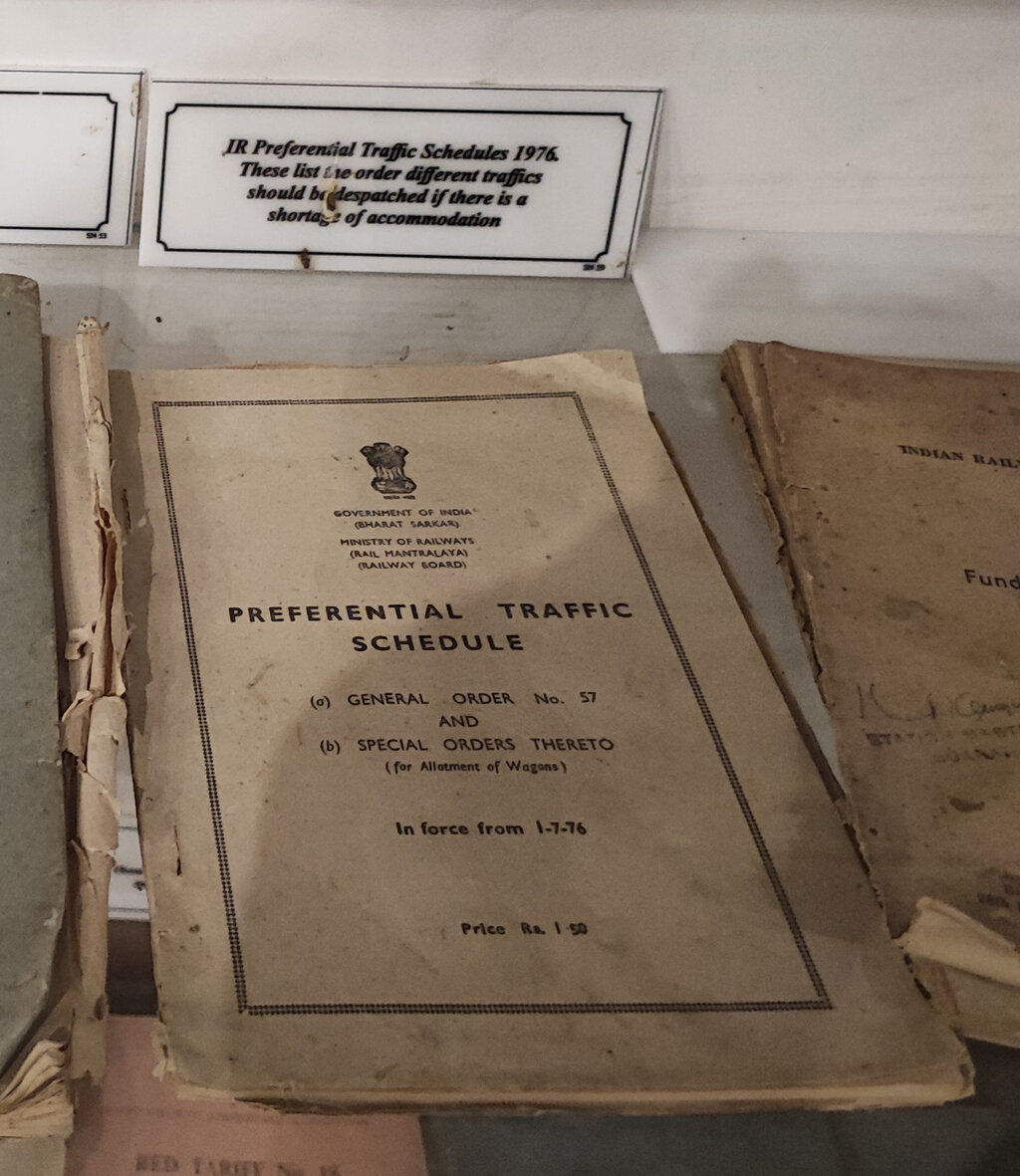
After India gained independence in 1947, its leaders faced the monumental task of building a modern, industrial economy from scratch. The private sector at the time was not large or wealthy enough to undertake the massive investments required for projects like steel plants, dams, and machine manufacturing.
This led to the Industrial Policy Resolution of 1956. This policy laid out a roadmap for a mixed economy where the government, through PSUs, would take the lead in developing core industries. The idea was to create a self-reliant India, reduce dependence on foreign imports, and ensure that the benefits of industrialization were distributed more evenly across society.
Why PSUs Matter
Decades later, PSUs remain a vital part of India's economy. Their significance can be seen in several key areas.
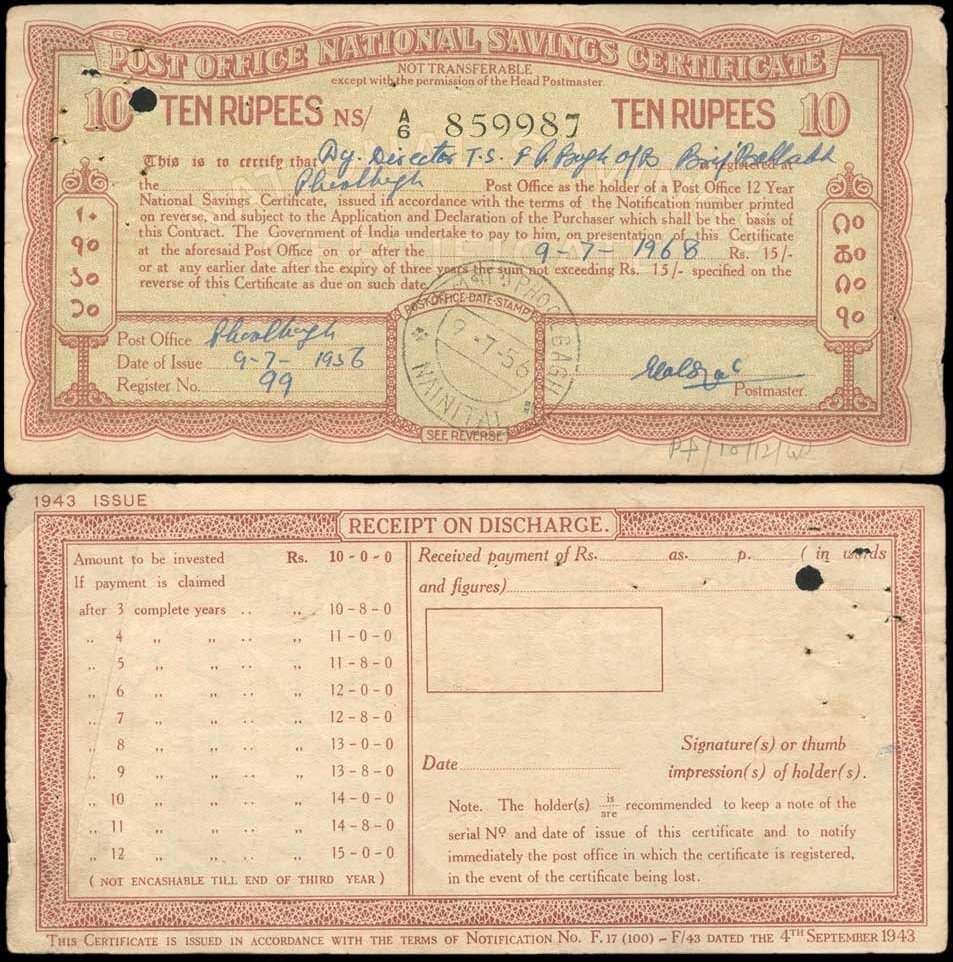
First, they are massive employers, providing stable jobs to millions of people. Second, they are crucial for regional development. The government often establishes PSUs in less-developed areas to create jobs and stimulate local economies. Finally, they contribute a significant amount of revenue to the government through taxes and dividends, which helps fund public services.
While they operate like businesses, PSUs also have a social responsibility. They are expected to balance their commercial goals with their role in nation-building. This dual objective makes them unique.
Now that we've covered what PSUs are and why they exist, we'll explore how they are classified. Their size, performance, and strategic importance lead to different categorizations, which come with different levels of autonomy.
For a company to be classified as a Public Sector Undertaking (PSU), what is the minimum ownership stake the government must hold?
What was a primary reason for establishing PSUs in India following independence in 1947?