Indian Poetry Traditions and Poetic Expansion
Introduction to Indian Poetry
The Language of the Gods
Indian poetry begins with Sanskrit, one of the world's oldest languages. Its earliest expressions are found in sacred texts like the Vedas, composed thousands of years ago. This poetry wasn't just art; it was a way to connect with the divine. The hymns of the Rigveda, for instance, are complex poetic compositions dedicated to various deities.
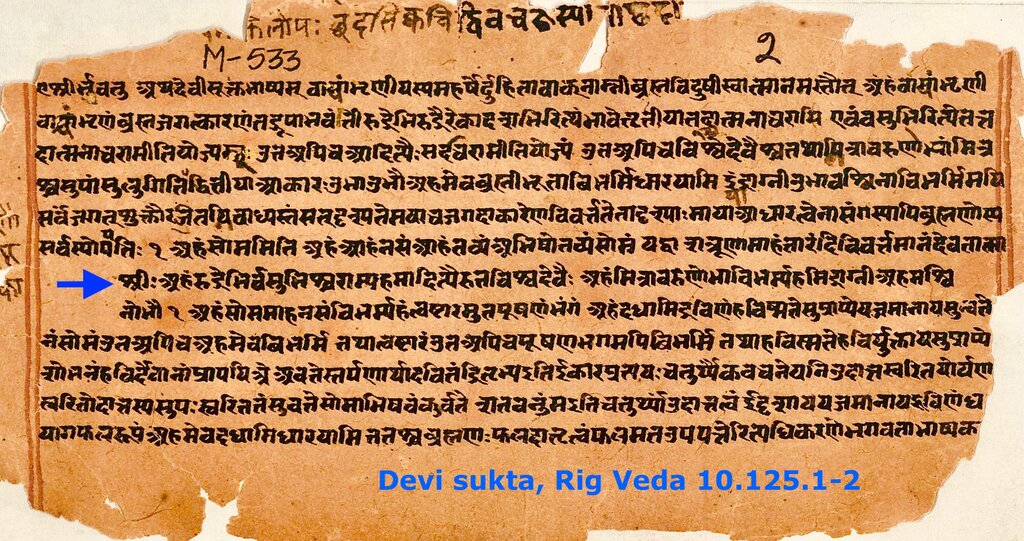
Sanskrit poetry is highly structured and follows strict rules of meter and grammar. This classical tradition, known as Kavya, flourished in royal courts. It often explored themes of heroism, romance, and philosophy, aiming for a refined aesthetic experience. The language itself was considered polished and perfect, a vehicle for profound ideas and epic storytelling.
The People's Voice
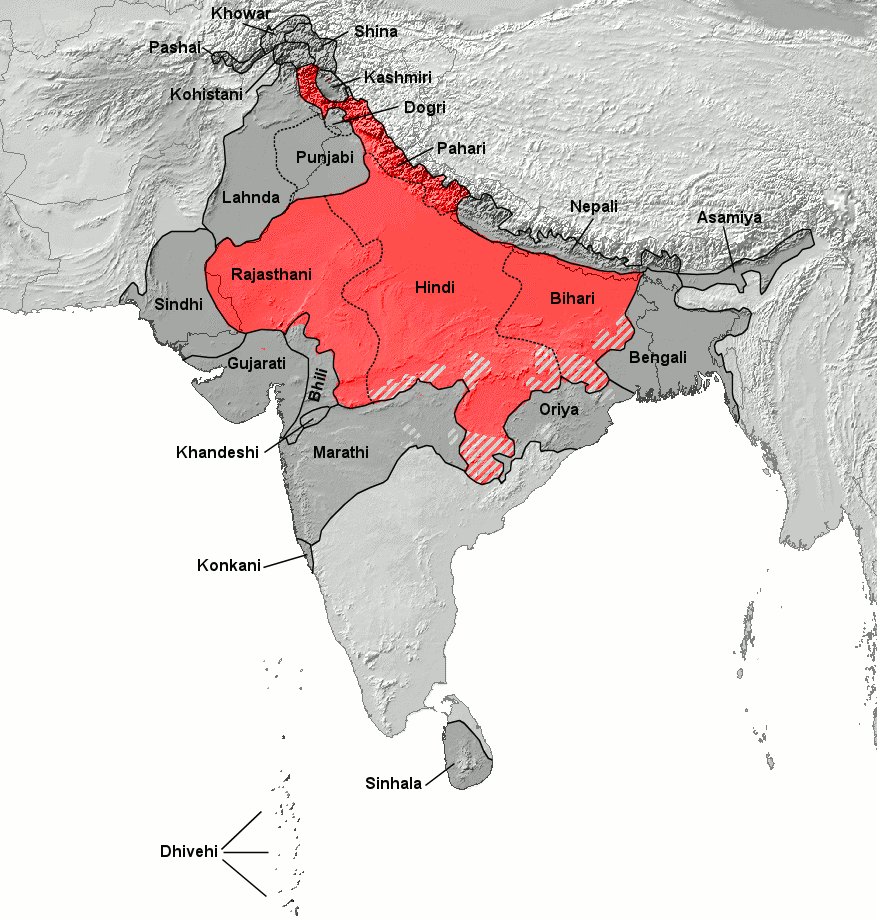
As centuries passed, languages evolved. Hindi poetry emerged from the dialects spoken by the general population in northern India. One of its most powerful eras was the Bhakti movement, a spiritual revolution that swept across the subcontinent starting around the 7th century.
Poet-saints like Kabir and Mirabai used everyday language to write about devotion, love, and social equality. Their verses were accessible to everyone, not just the scholarly elite. This made poetry a vital part of popular culture, sung in villages and shared orally from one generation to the next. Hindi poetry often carries a direct, emotional, and spiritual weight, focusing on personal relationships with the divine and the realities of human life.
Verse from the Courts
Urdu poetry developed from a rich blend of Persian, Arabic, and local Indian languages, flourishing under the patronage of the Mughal courts. It has a distinctive elegance and sophistication, known for its beautiful and often intricate wordplay.
The most famous form of Urdu poetry is the ghazal, a collection of couplets that explore themes of love, longing, loss, and metaphysical questions. While love is a central theme, it's often expressed through complex metaphors. The beloved can be a person, a spiritual entity, or even an abstract ideal. This poetry is deeply ingrained in the culture of music and performance, with ghazals being famously sung and recited.
In India, poetry isn't confined to books. It lives in religious ceremonies, folk songs, political speeches, and even the lyrics of Bollywood films. It’s a way people express devotion, celebrate love, and reflect on life.
| Tradition | Origins & Language | Key Themes | Style |
|---|---|---|---|
| Sanskrit | Ancient Indo-Aryan language; sacred texts | Religion, philosophy, heroism, nature | Highly structured, formal, follows strict rules |
| Hindi | Evolved from local dialects; Bhakti movement | Devotion, social commentary, daily life | Accessible, emotional, often spiritual and direct |
| Urdu | Mix of Persian, Arabic, and Indian languages; Mughal courts | Love, longing, beauty, existentialism | Elegant, sophisticated, metaphorical, often performed |
These three traditions, while distinct, have influenced one another for centuries, creating a vibrant and diverse poetic landscape.
Ready to test your knowledge?
What was the primary purpose of the earliest Sanskrit poetry, such as the hymns found in the Rigveda?
The Bhakti movement was a pivotal era for Hindi poetry primarily because it...